
/
Zimbabwe's Tobacco Boom: A New Record in 2023
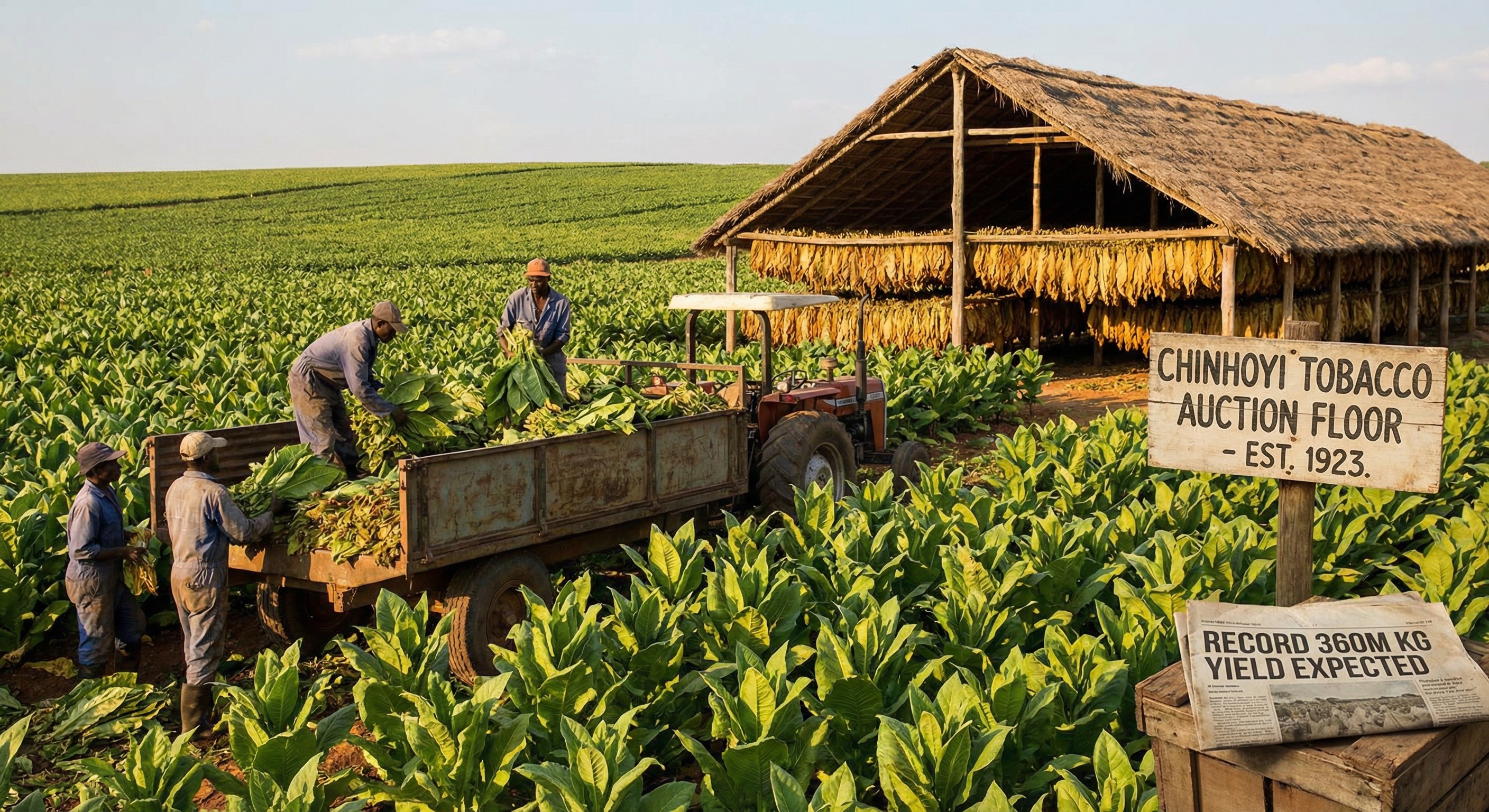
Zimbabwe is set to achieve a significant milestone in its agricultural sector with an anticipated tobacco production of over 360 million kilograms in 2023. This figure surpasses the previous record of 355 million kilograms set in 2025, according to the country's agriculture ministry. The surge in production highlights the critical role of tobacco in Zimbabwe's economy, which is heavily reliant on agriculture as a primary source of revenue and employment.
The Economic Significance of Tobacco in Zimbabwe
Tobacco is one of Zimbabwe's most valuable export commodities, contributing significantly to the nation's GDP. The crop is a major foreign currency earner, with the bulk of the produce sold to international markets. The increase in production could potentially enhance Zimbabwe's economic stability by boosting export revenues and improving the country's trade balance. However, the reliance on tobacco also poses risks, as fluctuations in global tobacco demand and prices can have substantial impacts on the economy.
Factors Driving the Increase in Tobacco Production
Several factors have contributed to the rise in tobacco production in Zimbabwe. Improved agricultural practices, government support, and favorable weather conditions have all played a part. The government has implemented various initiatives to support farmers, including providing access to better farming inputs and technologies. Additionally, the Tobacco Industry and Marketing Board has been instrumental in facilitating better market access for farmers, ensuring they receive fair prices for their produce.
Environmental and Social Implications
While the increase in tobacco production is economically beneficial, it also raises environmental and social concerns. Tobacco farming is resource-intensive, requiring significant amounts of water and land, which can lead to deforestation and soil degradation. Furthermore, the focus on tobacco can limit the diversification of crops, making the agricultural sector vulnerable to market shifts. Socially, the industry employs a large number of workers, but labor conditions and wages remain areas needing improvement.
Future Outlook and Challenges
Looking ahead, Zimbabwe faces the challenge of balancing economic benefits with sustainable agricultural practices. Diversifying the agricultural sector could mitigate risks associated with over-reliance on tobacco. The government may need to explore alternative crops and invest in sustainable farming techniques to ensure long-term agricultural viability. Additionally, addressing environmental concerns and improving labor conditions in the tobacco industry will be crucial for sustainable growth.