
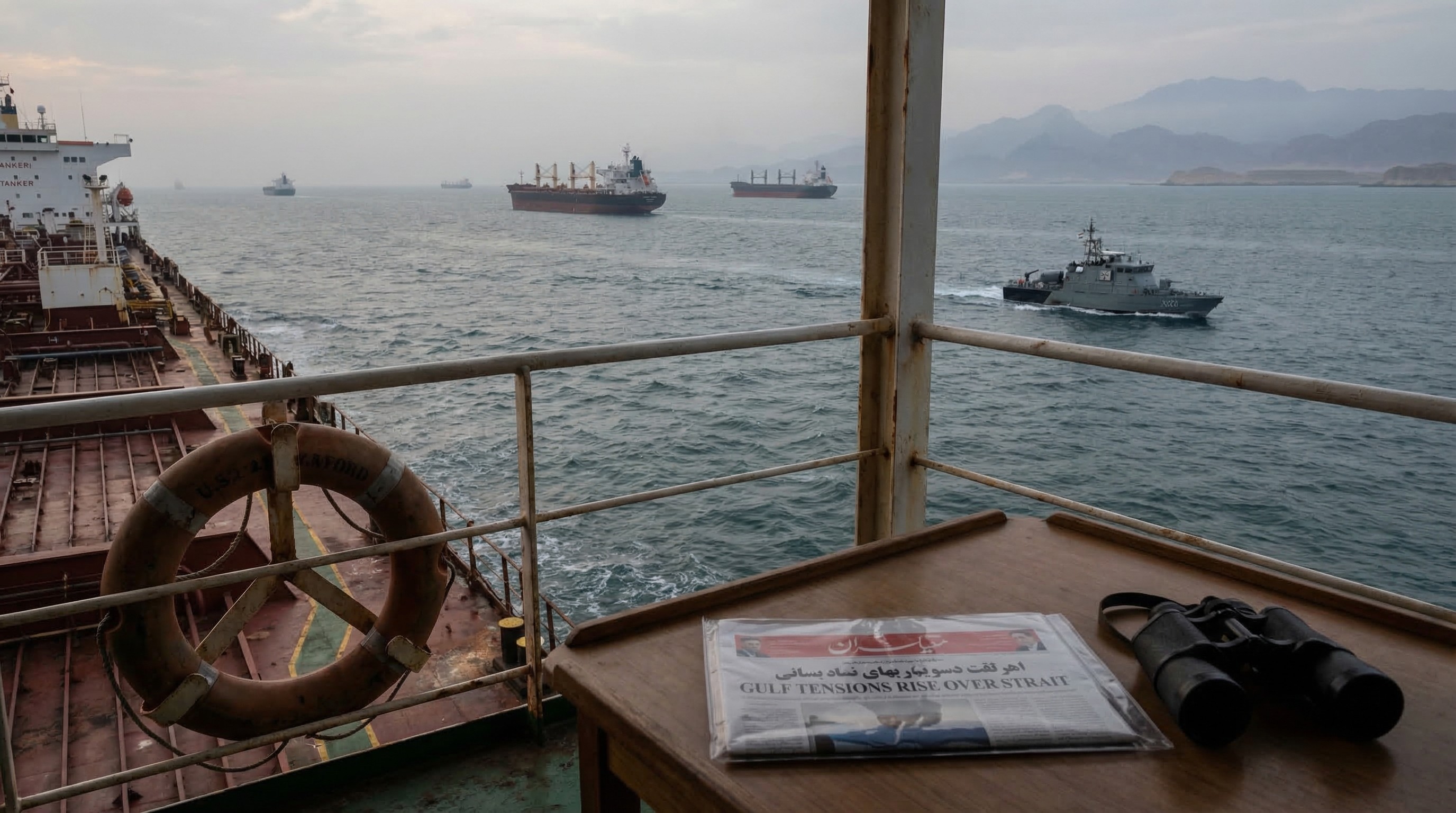
Geopolitical Tensions in the Gulf
The Strait of Hormuz, a critical chokepoint in the global oil trade, is once again at the center of geopolitical tensions following conflicting reports about Iran's stance on allowing India-flagged tankers to pass through. This development comes amid heightened regional instability and underscores the broader implications for global energy markets and international relations.
Conflicting Reports on Passage Rights
Confusion arose when Reuters reported contradictory statements regarding Iran's policy on the passage of India-flagged tankers through the Strait of Hormuz. An Iranian source denied the country would permit such tankers to traverse the waterway, contradicting an earlier report from an Indian source claiming the opposite. This inconsistency highlights the complexity and volatility of diplomatic communications in the region.
Strategic Importance of the Strait
The Strait of Hormuz is one of the world's most strategically significant maritime passages, with about a fifth of the world's oil supply passing through it. Any disruption in this narrow waterway could have far-reaching consequences for global oil prices and supply chains. The strait's significance makes it a focal point for international diplomacy and military strategy, particularly as tensions between regional powers and global stakeholders continue to escalate.
Regional and Global Implications
The current situation reflects broader regional tensions, including Iran's relations with its neighbors and the presence of U.S. military bases in the Gulf. A new Iranian leader has called for the closure of these bases, threatening attacks if they remain. This stance not only affects regional stability but also has potential ramifications for international security and economic interests, particularly those of oil-importing nations.
Outlook and Potential Consequences
As the situation develops, the international community is likely to closely monitor Iran's actions and any subsequent impact on the Strait of Hormuz. The potential for escalated conflict in the region could lead to significant shifts in global energy markets and necessitate diplomatic interventions to ensure the security of oil shipments. The ongoing uncertainty underscores the fragile nature of regional peace and the importance of strategic navigation in international relations.