Preservation of Cultural Heritage
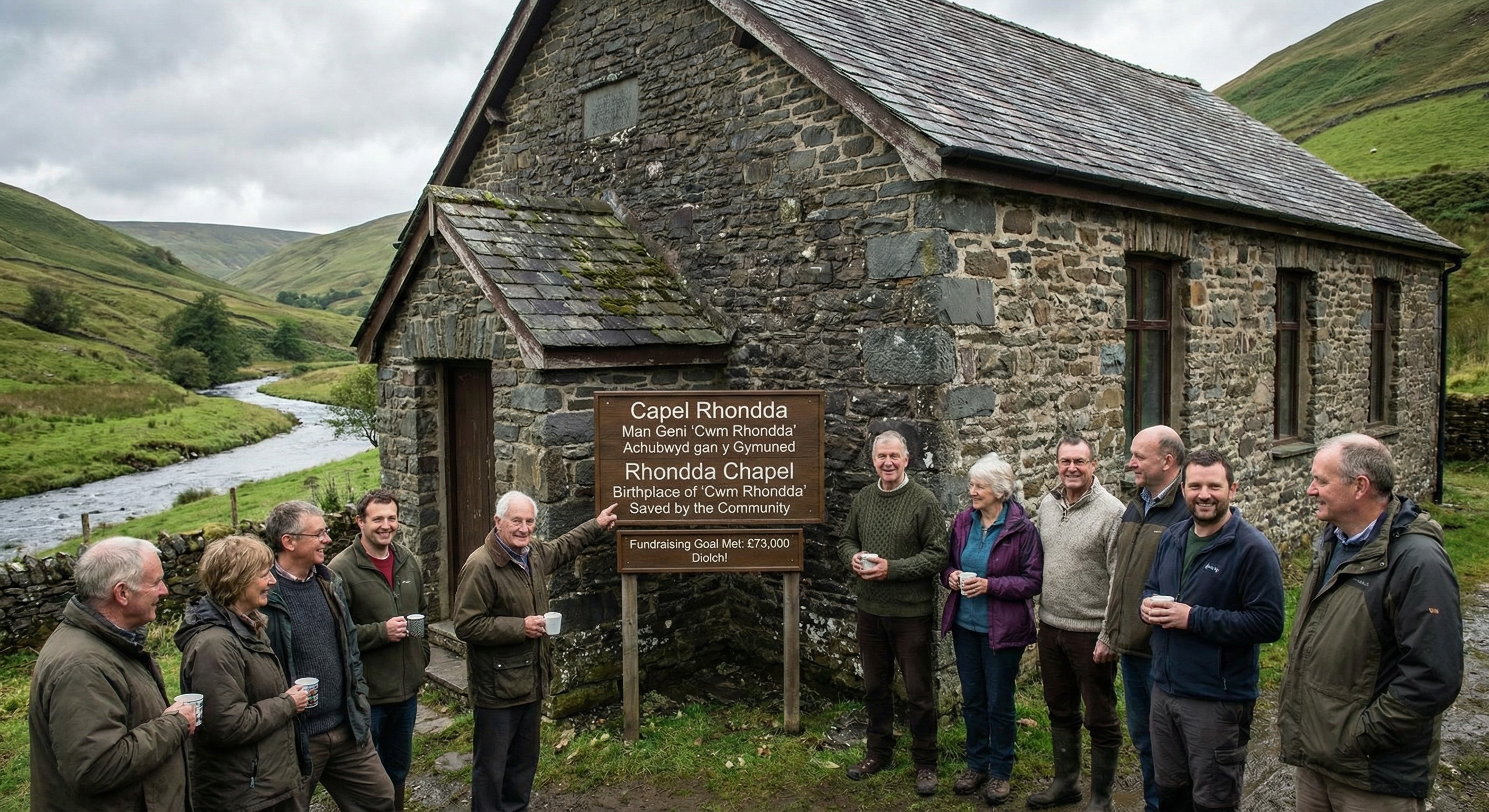
In a significant victory for cultural preservation, a historic chapel in the Welsh valleys has been secured for future generations following a successful community-led fundraising campaign. Capel Rhondda, located in Hopkinstown near Pontypridd, is renowned as the birthplace of the beloved hymn 'Cwm Rhondda,' also known as 'Bread of Heaven.' The chapel's future was uncertain until local supporters rallied to raise over £70,000, ensuring its continued existence and stewardship by the community.
Community Efforts to Save Capel Rhondda
The effort to save Capel Rhondda was spearheaded by a dedicated community group, which mobilized support from both local residents and hymn enthusiasts worldwide. The campaign highlighted the chapel's historical and cultural significance, drawing attention to its role in the Welsh musical heritage. The funds raised will enable the group to maintain the building and potentially develop it as a community hub, preserving its legacy for future generations.
Historical Significance of 'Cwm Rhondda'
'Cwm Rhondda' is a hymn deeply embedded in Welsh culture, often performed at national events and rugby matches, resonating with themes of resilience and hope. Composed in the early 20th century, the hymn's first performance at Capel Rhondda has cemented the chapel's place in musical history. Its preservation is not only a victory for the local community but also for the broader Welsh and international cultural landscape.
The Role of Community in Cultural Preservation
This successful fundraising effort underscores the power of community action in preserving cultural heritage. In an era where many historical sites face threats from development or neglect, the story of Capel Rhondda serves as an inspiring example of how local communities can mobilize to protect their heritage. The chapel's preservation is a testament to the enduring value of cultural landmarks and their ability to unite people around shared history and identity.
Future Prospects for Capel Rhondda
With the funds secured, the community group now faces the task of ensuring the chapel's upkeep and exploring ways to make it a vibrant part of local life. Plans may include hosting cultural events, educational programs, and community gatherings, which will not only preserve the chapel's physical structure but also its role as a living part of the community. As Capel Rhondda looks to the future, it stands as a beacon of cultural resilience and community spirit.