The Accusations Against Beef Packers
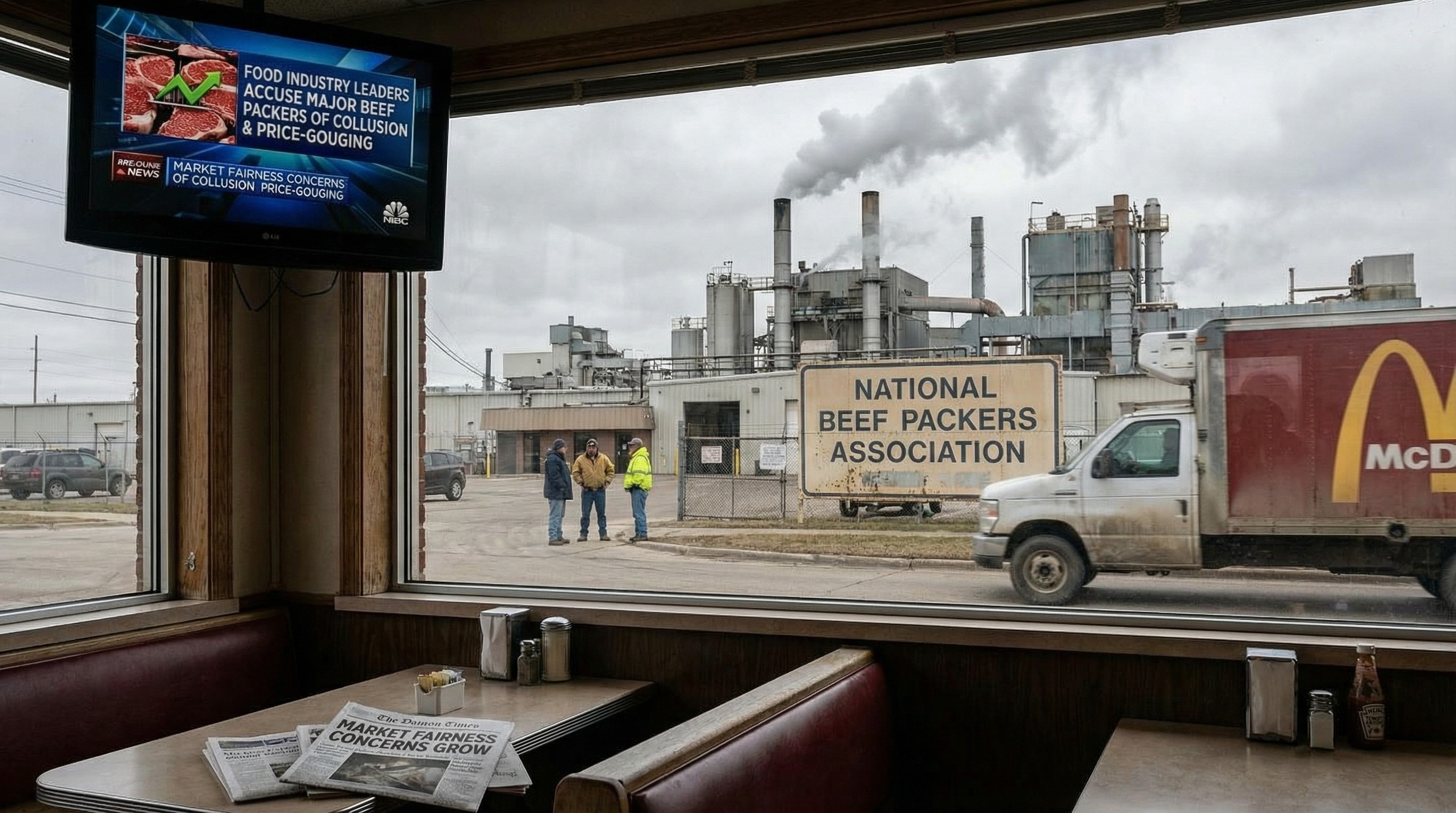
In recent developments, McDonald's and other significant players in the food industry have raised serious allegations against major beef packers, accusing them of collusion and price-gouging. These accusations are not just isolated complaints but represent a broader concern about fairness and transparency in the beef market, which has significant implications for both producers and consumers.
Background of the Allegations
The accusations come amidst a backdrop of rising beef prices, which have been a point of contention for various stakeholders in the food supply chain. The major beef packers, who control a substantial portion of the market, have been accused of manipulating prices to their advantage, thereby squeezing margins for retailers and restaurants while inflating costs for consumers.
These allegations have prompted calls for regulatory scrutiny and potential investigations to determine the validity of these claims. The beef industry is a critical component of the food supply chain, and any disruptions or unfair practices can have far-reaching consequences.
Denials from Beef Packers
The beef packers, however, have categorically denied these allegations, asserting that the market dynamics are influenced by various factors beyond their control. They argue that supply chain disruptions, labor shortages, and increased demand are some of the reasons for the rising prices, rather than any collusion or unfair practices on their part.
These denials have not quelled the concerns of those affected by the price increases, leading to a growing call for transparency and accountability in the industry.
Impact on Workers and Communities
The controversy extends beyond price concerns, affecting workers and communities tied to the beef industry. A recent incident at a Tyson Foods beef processing plant in Lexington, Nebraska, highlights the human impact of these industry dynamics. Workers were abruptly laid off, leaving many uncertain about their future.
For individuals like Constancio Perales, who had been employed at the plant for over two decades, the sudden loss of employment is devastating, impacting their ability to meet basic needs such as rent and utility bills. This situation underscores the vulnerability of workers in industries subject to significant market fluctuations and corporate decisions.
Regulatory and Economic Implications
The allegations and their potential consequences have caught the attention of regulators, who may be prompted to investigate the claims further. Any findings of collusion could lead to significant regulatory actions and reforms aimed at ensuring fair competition and protecting consumers.
Economically, the situation highlights the delicate balance of supply and demand in the agricultural sector, where even minor disruptions can lead to significant price changes. The outcome of these allegations could influence future policy decisions and shape the landscape of the beef industry.
Looking Ahead
As the situation unfolds, stakeholders across the industry are watching closely to see how these allegations will be addressed. The outcome could set precedents for how similar issues are handled in the future, potentially leading to more stringent regulations and oversight.
For now, the focus remains on ensuring that the beef market operates fairly and transparently, with the interests of all parties—producers, retailers, consumers, and workers—being adequately safeguarded.