
Understanding Waymo's Autonomous Vehicle Issues
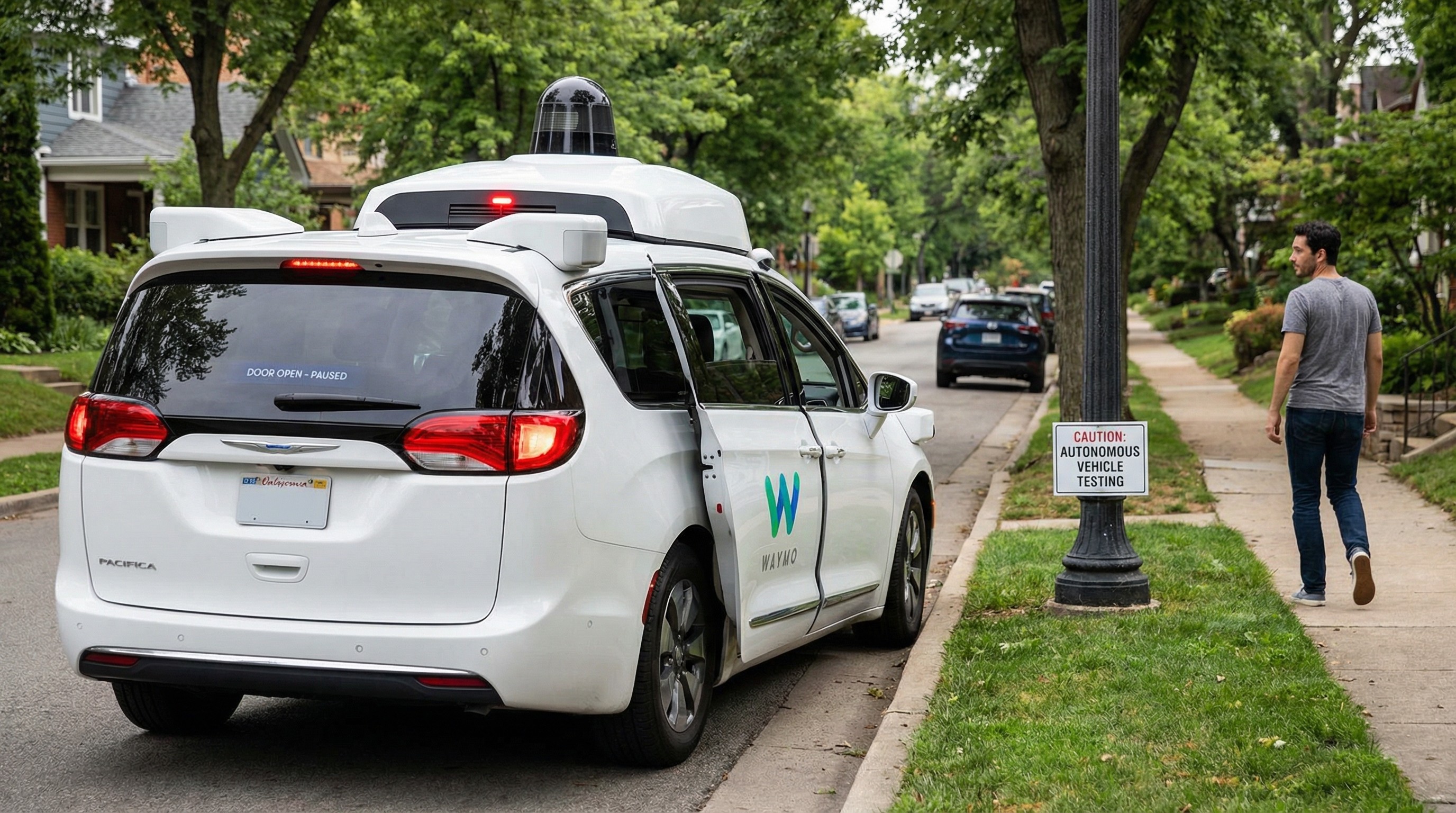
Waymo, a leader in the development of autonomous vehicles, is facing operational challenges that highlight the complexities of self-driving technology. A specific issue has come to light involving the vehicle's inability to proceed if a passenger leaves a door open. This problem underscores the intricate balance between advanced technology and practical use in everyday scenarios.
The Technical Challenge of Open Doors
When a passenger inadvertently leaves a door open, Waymo's autonomous vehicles are designed to halt operations. This safety feature, while crucial, can lead to disruptions in service. The vehicle's systems are programmed to prioritize passenger safety, and an open door presents a potential hazard that the vehicle cannot resolve autonomously. This situation requires human intervention, which can delay operations and impact customer satisfaction.
Implications for the Autonomous Vehicle Industry
The issue of an open door may seem minor, but it has broader implications for the autonomous vehicle industry. It highlights the ongoing challenges in developing self-driving cars that can handle unexpected real-world scenarios. As companies like Waymo continue to refine their technology, they must also address these practical challenges to ensure seamless and safe operations.
Waymo's Response and Future Developments
Waymo is actively working on solutions to address this and other operational challenges. The company is investing in research and development to enhance the vehicle's ability to manage a wider range of scenarios autonomously. This includes improving sensor technology and developing more sophisticated algorithms that can better interpret and respond to environmental cues.
The Road Ahead for Autonomous Vehicles
The incident with Waymo's open door issue serves as a reminder of the complexities involved in bringing fully autonomous vehicles to market. While significant progress has been made, there are still numerous technical and operational hurdles to overcome. The industry must continue to innovate and adapt to ensure that autonomous vehicles can safely and efficiently integrate into everyday life.