Introduction: A Presidential Address
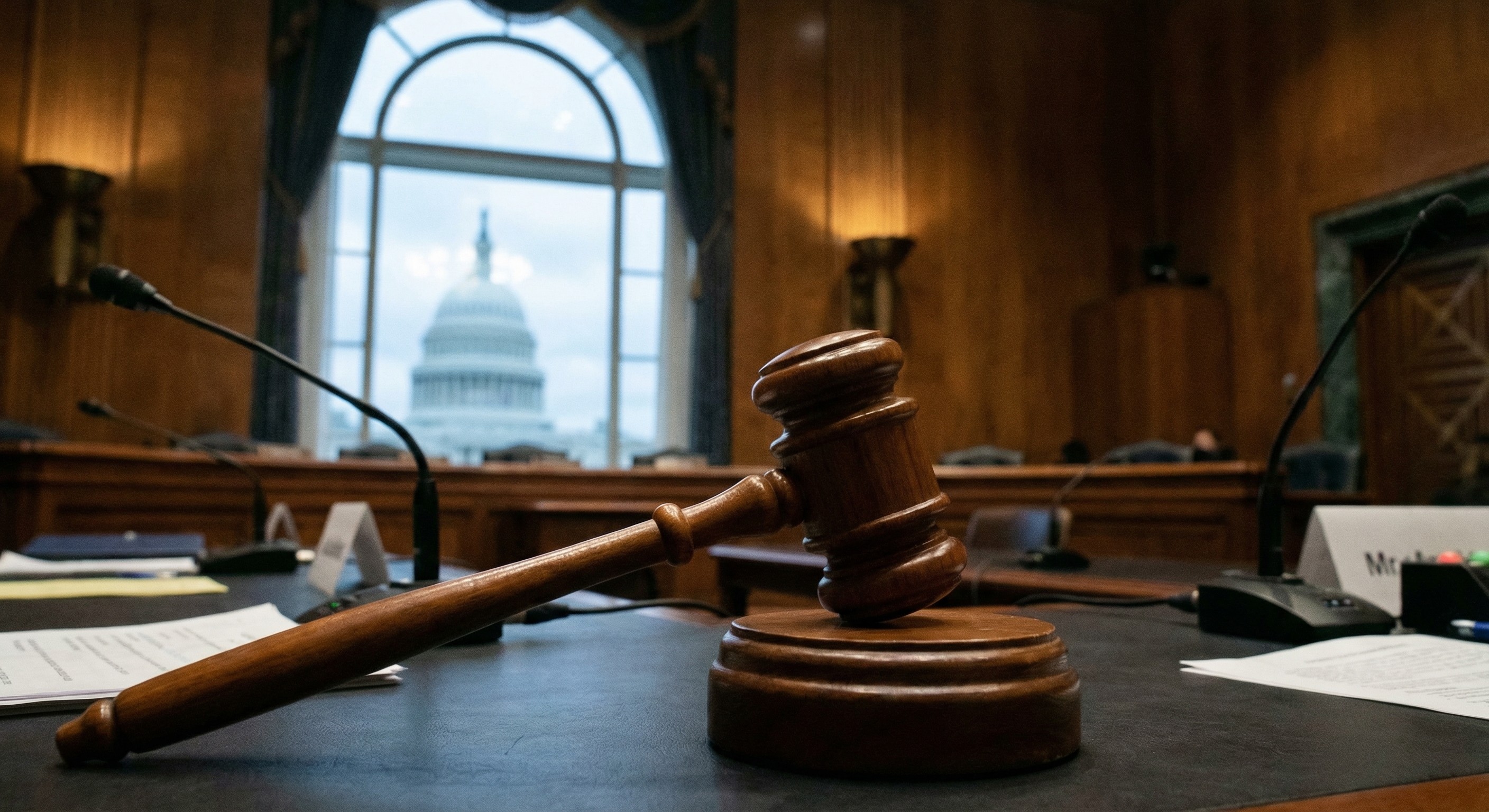
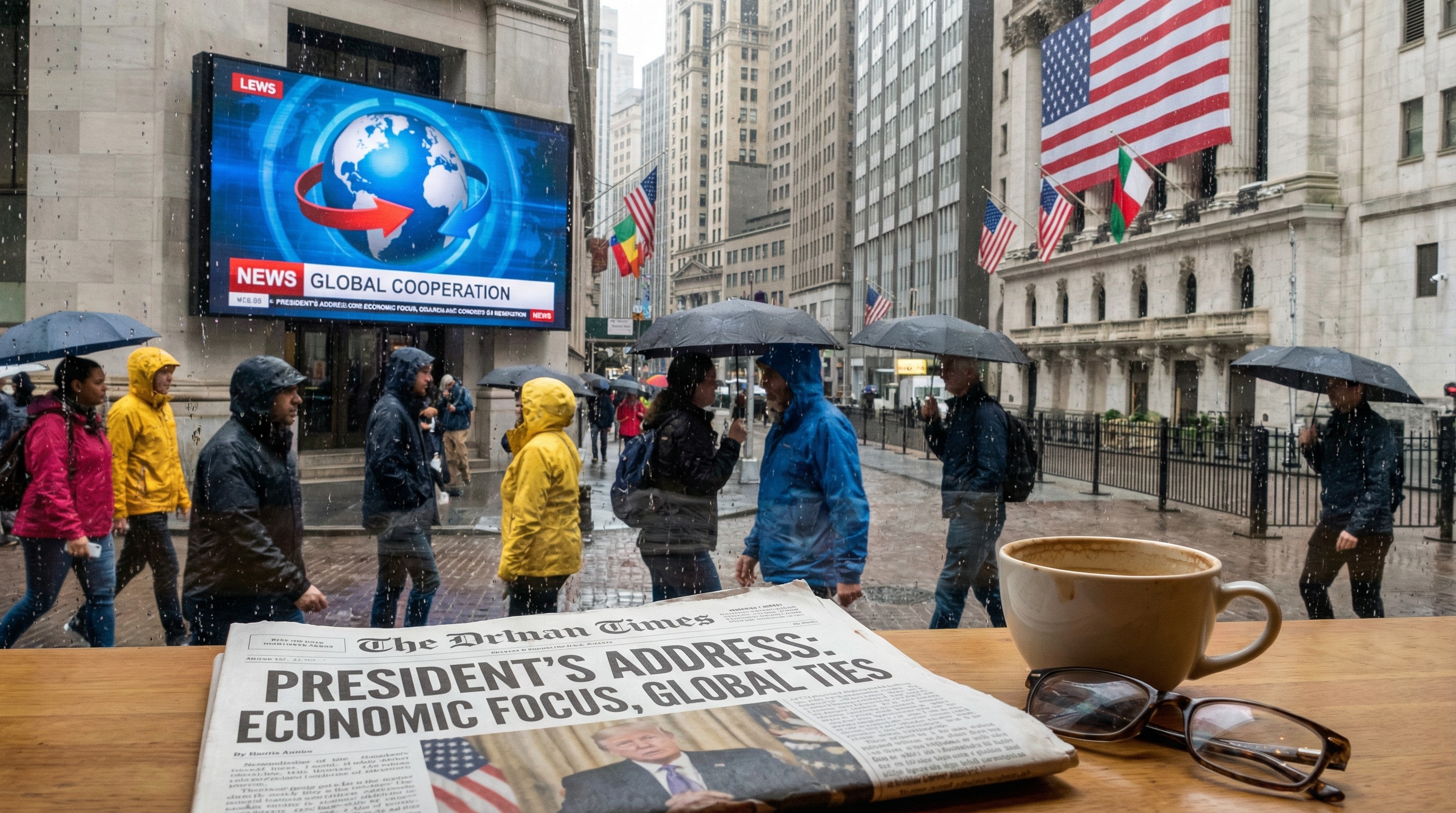
In a significant address to the nation, the President of the United States outlined a comprehensive vision for the country's future. The speech, delivered to a packed chamber, covered a wide array of topics ranging from domestic policy initiatives to international relations. The address served not only as a reflection of the administration's current priorities but also as a blueprint for its future agenda.
Domestic Policy Initiatives
One of the central themes of the President's address was the focus on domestic policy. The President highlighted economic recovery efforts, emphasizing job creation and infrastructure development. The administration's economic strategy aims to bolster the middle class, which is seen as the backbone of the nation's economy. Additionally, the President discussed healthcare reforms intended to make medical services more accessible and affordable for all citizens.
Education was another focal point, with plans to enhance educational opportunities and reduce student debt. The President proposed increased funding for public schools and initiatives to make higher education more affordable. These measures are intended to equip the workforce with the skills needed for a rapidly changing economy.
International Relations and Global Challenges
On the international stage, the President addressed ongoing global challenges, including climate change, security threats, and international trade. The administration reaffirmed its commitment to rejoining global agreements aimed at reducing carbon emissions and combating climate change. This move is expected to strengthen international partnerships and enhance the country's leadership role in global environmental efforts.
Security was another critical topic, with the President outlining strategies to address both traditional and emerging threats. The administration plans to enhance defense capabilities while also focusing on diplomatic solutions to international conflicts. Trade policies were also discussed, with an emphasis on fair practices and strengthening economic ties with key allies.
Political Implications
The President's address comes at a crucial time, with midterm elections on the horizon. The speech was not only a policy outline but also a strategic move to garner support from both the public and lawmakers. The administration's success in implementing these policies could significantly influence the political landscape, impacting upcoming elections and shaping future legislative priorities.
Furthermore, the address highlighted the importance of bipartisan cooperation. The President called for unity and collaboration across party lines to achieve common goals. This appeal for bipartisanship is seen as essential to overcoming legislative gridlock and advancing the administration's agenda.
Future Outlook
Looking ahead, the President's address sets the stage for future policy debates and legislative actions. The administration's ability to navigate political challenges and implement its proposed initiatives will be closely watched by both domestic and international observers. Success in these areas could solidify the administration's legacy and influence the nation's trajectory for years to come.
As the nation grapples with complex challenges, the President's address serves as a reminder of the importance of strategic vision and leadership. The coming months will reveal how these plans unfold and their impact on the country's future.