Victoria Implements Fire Ban Due to Elevated Risks
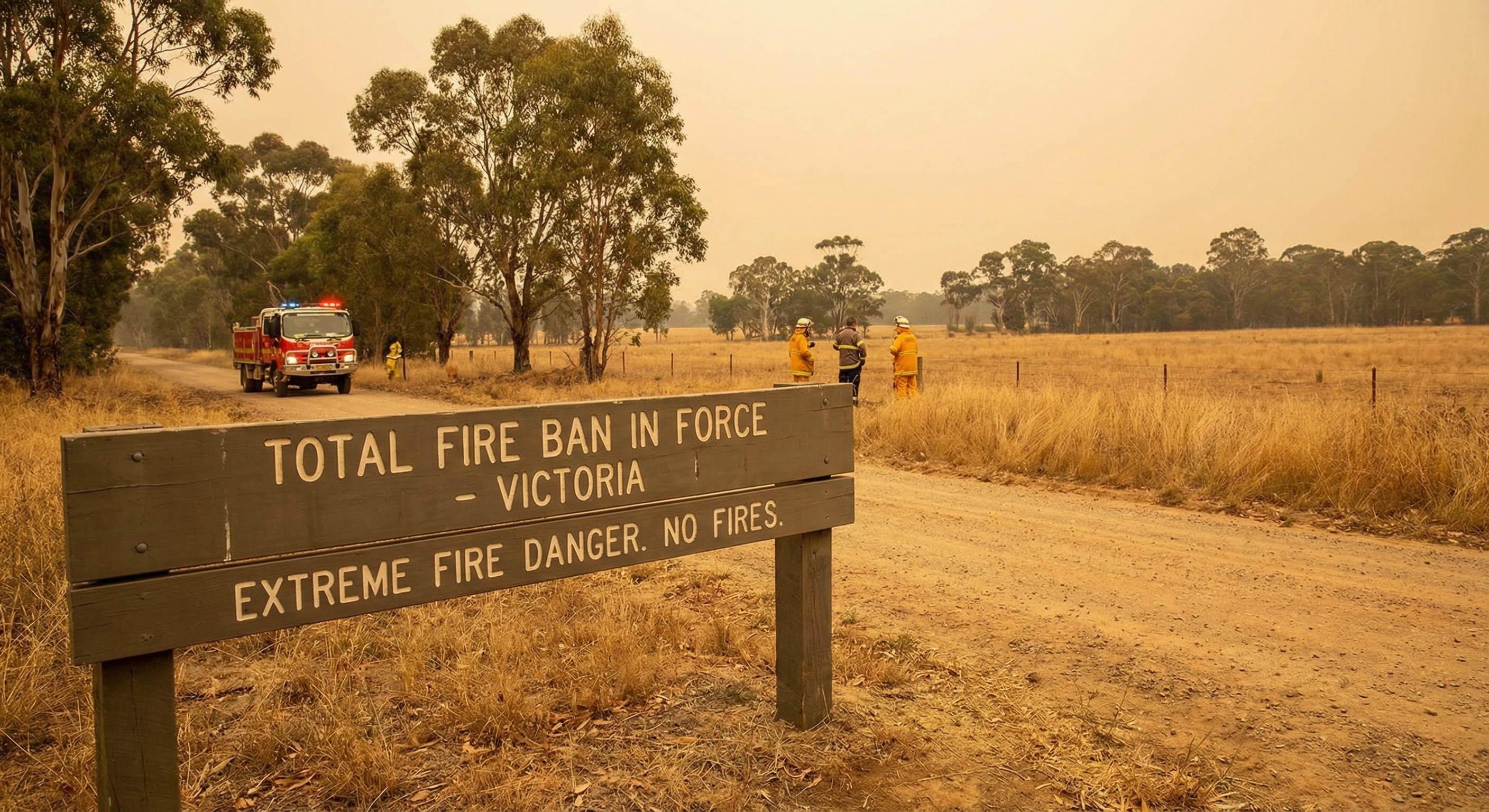
Authorities in Victoria have declared a total fire ban across several southern regions, including central, north central, south west, west and south Gippsland, and Wimmera fire districts. This measure comes in response to anticipated hot and dry weather conditions that heighten the risk of wildfires.
Weather Conditions Contributing to Fire Risks
The decision was influenced by forecasts predicting high temperatures and low humidity across the state. Such conditions are known to dry out vegetation, creating ideal fuel for fires. Additionally, the presence of gusty winds and potential thunderstorms further exacerbates the risk, as any spark could quickly escalate into a significant wildfire.
Impact on Local Communities and Preparedness
With the fire ban in place, residents and visitors in the affected areas are urged to remain vigilant and adhere to the restrictions. The ban prohibits the lighting of any open fires, including campfires and barbecues, to prevent accidental ignitions. The local fire authorities have emphasized the importance of community cooperation to mitigate the risk of fires during this period.
Historical Context and Future Outlook
Victoria has a history of devastating bushfires, with past incidents causing significant damage to property and loss of life. The state's proactive approach in declaring fire bans aims to prevent a repeat of such tragedies. Looking ahead, climate change continues to influence weather patterns, potentially increasing the frequency and intensity of fire-prone conditions.
Authorities Urge Vigilance and Compliance
Fire authorities are working tirelessly to monitor the situation and respond swiftly to any outbreaks. The public is encouraged to stay informed through official channels and report any signs of fire immediately. Compliance with the fire ban is crucial to safeguarding communities and preserving the environment during this high-risk period.