Venezuela's Diplomatic Maneuvering
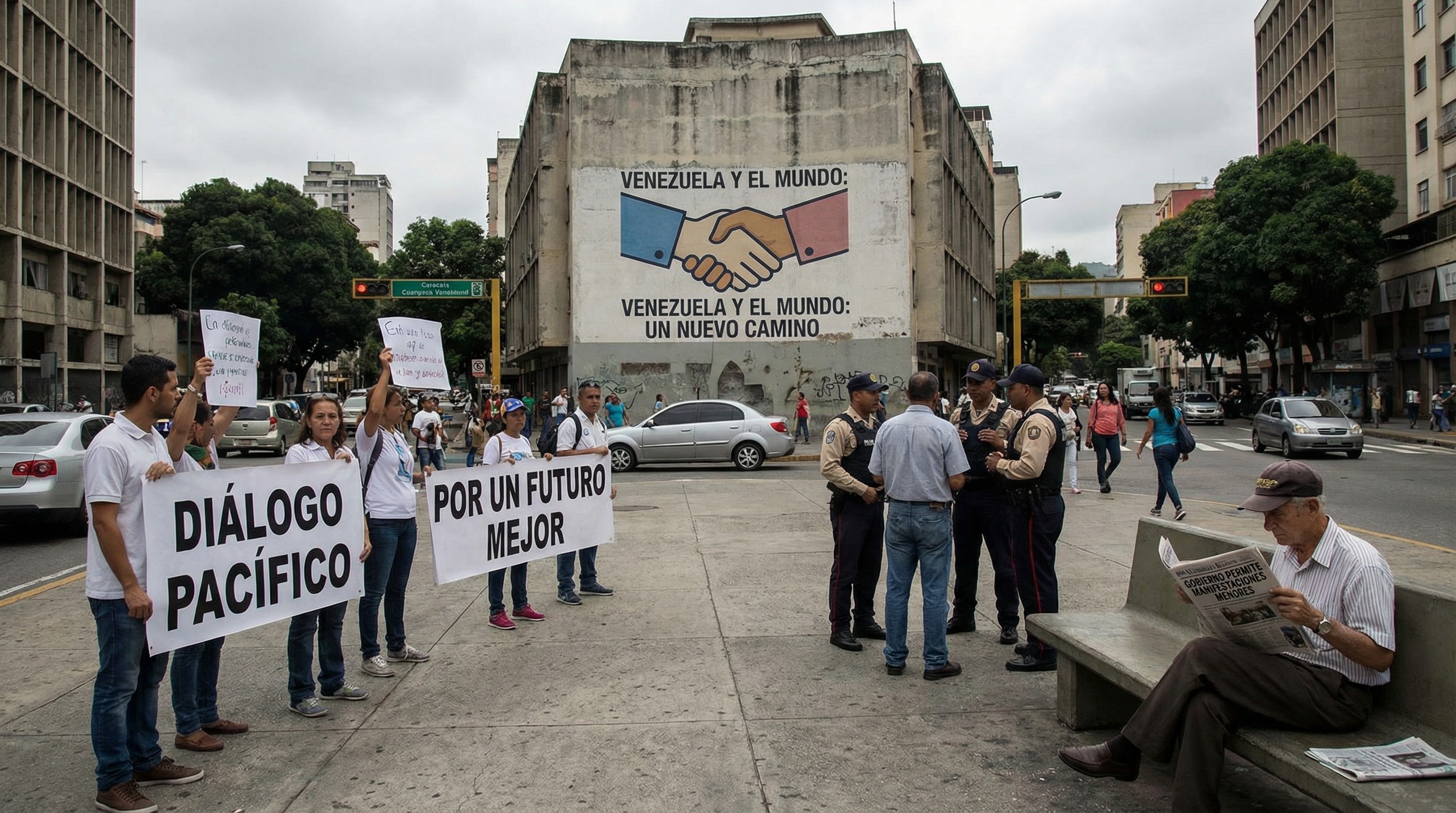
In a notable shift in strategy, the Venezuelan government is allowing small-scale protests and public criticism. This development is seen as part of a broader effort to improve relations with the United States. Historically, Venezuela has been known for its stringent control over dissent, often suppressing protests and silencing critics. However, this new approach suggests a calculated attempt to project a more open political climate.
US-Venezuela Relations: A Complex History
The relationship between Venezuela and the United States has been fraught with tension for decades. Under the leadership of the late President Hugo Chávez and his successor, Nicolás Maduro, Venezuela has often positioned itself in opposition to US policies. Sanctions imposed by the US have severely impacted Venezuela's economy, leading to widespread shortages and a humanitarian crisis. The current administration's decision to tolerate dissent could be an attempt to open dialogue and potentially ease these sanctions.
The Role of Protests in Venezuelan Society
Protests have long been a part of Venezuela's social fabric, often serving as a barometer for public sentiment. In recent years, demonstrations have primarily focused on economic hardships, political repression, and demands for democratic reforms. By allowing these protests, the government may be trying to gauge public opinion and signal a willingness to address certain grievances, albeit within controlled limits.
Implications for Domestic Politics
Domestically, this move could have significant implications for President Maduro's administration. Allowing protests might be a tactic to alleviate some pressure from the opposition and international community. However, it also poses risks, as it could embolden critics and lead to larger, more uncontrollable demonstrations. The government's handling of these protests will be closely watched both within Venezuela and by international observers.
Outlook and Potential Outcomes
As Venezuela navigates this new diplomatic path, the outcomes remain uncertain. If successful, this strategy could lead to improved relations with the US and potentially a lifting of some sanctions, providing much-needed economic relief. However, it also depends on the government's ability to maintain control without resorting to previous repressive measures. The international community will be watching closely to see if this marks a genuine shift towards more democratic practices or is merely a temporary tactic.