The Introduction of VAR in Football
Video Assistant Referee (VAR) technology was introduced in football with the aim of reducing human error and ensuring fair play. Since its implementation, VAR has been a topic of intense debate, with opinions divided over its impact on the game. While some argue that it has improved the accuracy of decisions, others believe it has introduced new challenges and controversies.
Referees and the 'Safety Net' of VAR
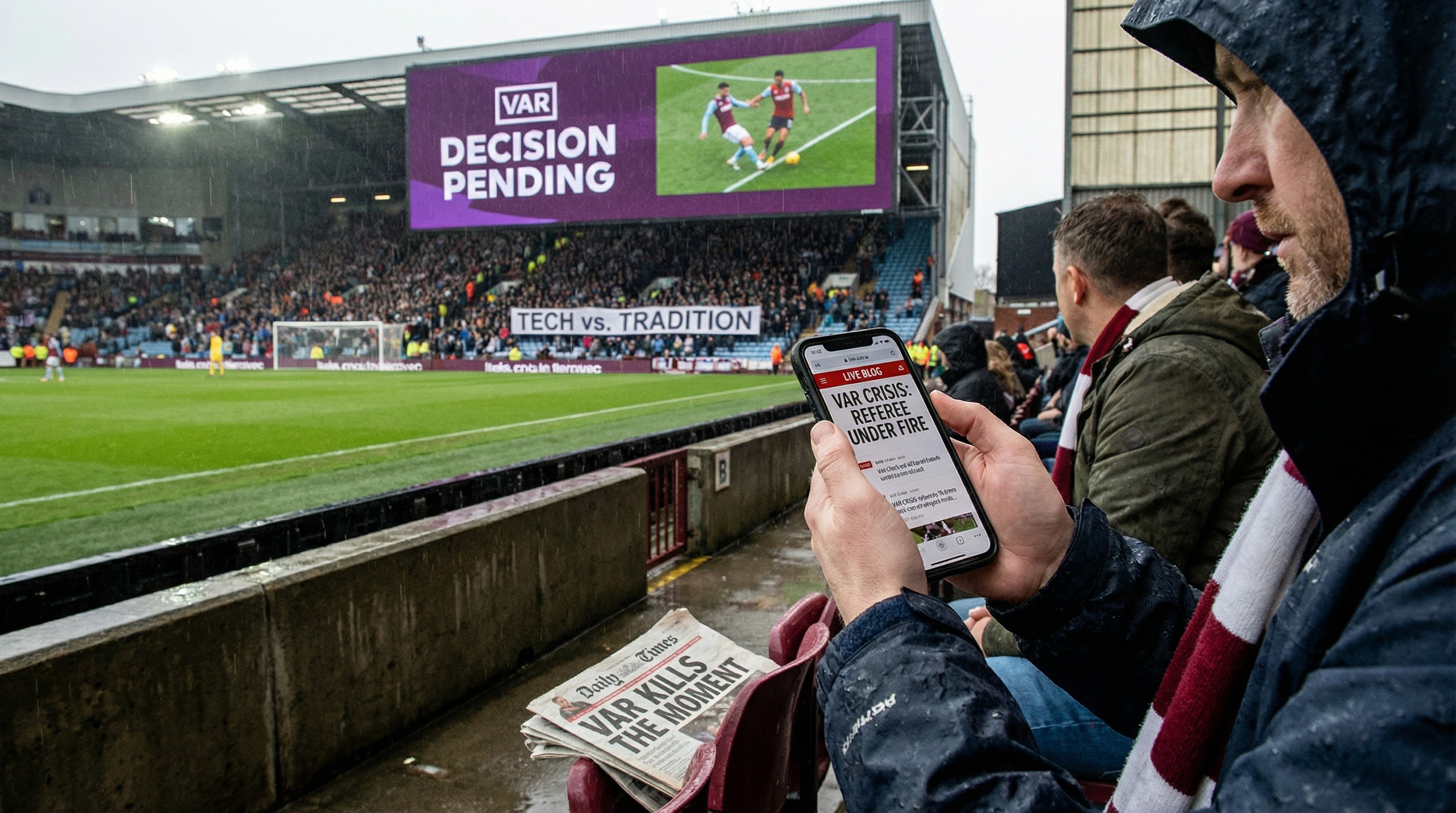
Recent comments by football pundits Wayne Rooney and Alan Shearer highlight a growing concern among players and fans alike: the reliance of referees on VAR. They suggest that referees might be "petrified" of making decisions without the support of VAR, fearing the repercussions of making a mistake. This was evident in a recent FA Cup match between Aston Villa and Newcastle, where a potential handball by Lucas Digne did not result in a penalty, sparking debate on whether VAR should have intervened.
Impact on Decision-Making
The use of VAR has undeniably changed the dynamic of decision-making in football. Referees, who once had to rely solely on their judgment, now have the technological aid of video replays. However, this has led to situations where referees might hesitate to make definitive calls, expecting VAR to correct any errors. This shift can affect the flow of the game, leading to delays and interruptions that disrupt the natural rhythm of play.
Controversies and Challenges
While VAR aims to enhance fairness, it has not been without its controversies. Decisions involving subjective interpretations, such as handballs or offside calls, often lead to disputes. The inconsistency in the application of VAR rules and the time taken to reach decisions have been points of contention. Critics argue that VAR should complement, not replace, the referee's authority on the field.
The Future of VAR in Football
As football continues to evolve, the role of VAR remains a hot topic. Governing bodies like FIFA and UEFA are under pressure to refine the system to ensure it serves its intended purpose without undermining the referee's role. The challenge lies in striking a balance between technological assistance and maintaining the human element that is intrinsic to the sport.