Background on U.S. Tariff Policies
The United States has long used tariffs as a tool to influence trade dynamics and protect domestic industries. Under the Trump administration, tariffs became a prominent feature of U.S. trade policy, particularly aimed at China. These tariffs were intended to address trade imbalances and intellectual property concerns. However, they also sparked retaliatory measures from affected countries, leading to heightened trade tensions globally.
Invalidation of Previous Tariffs
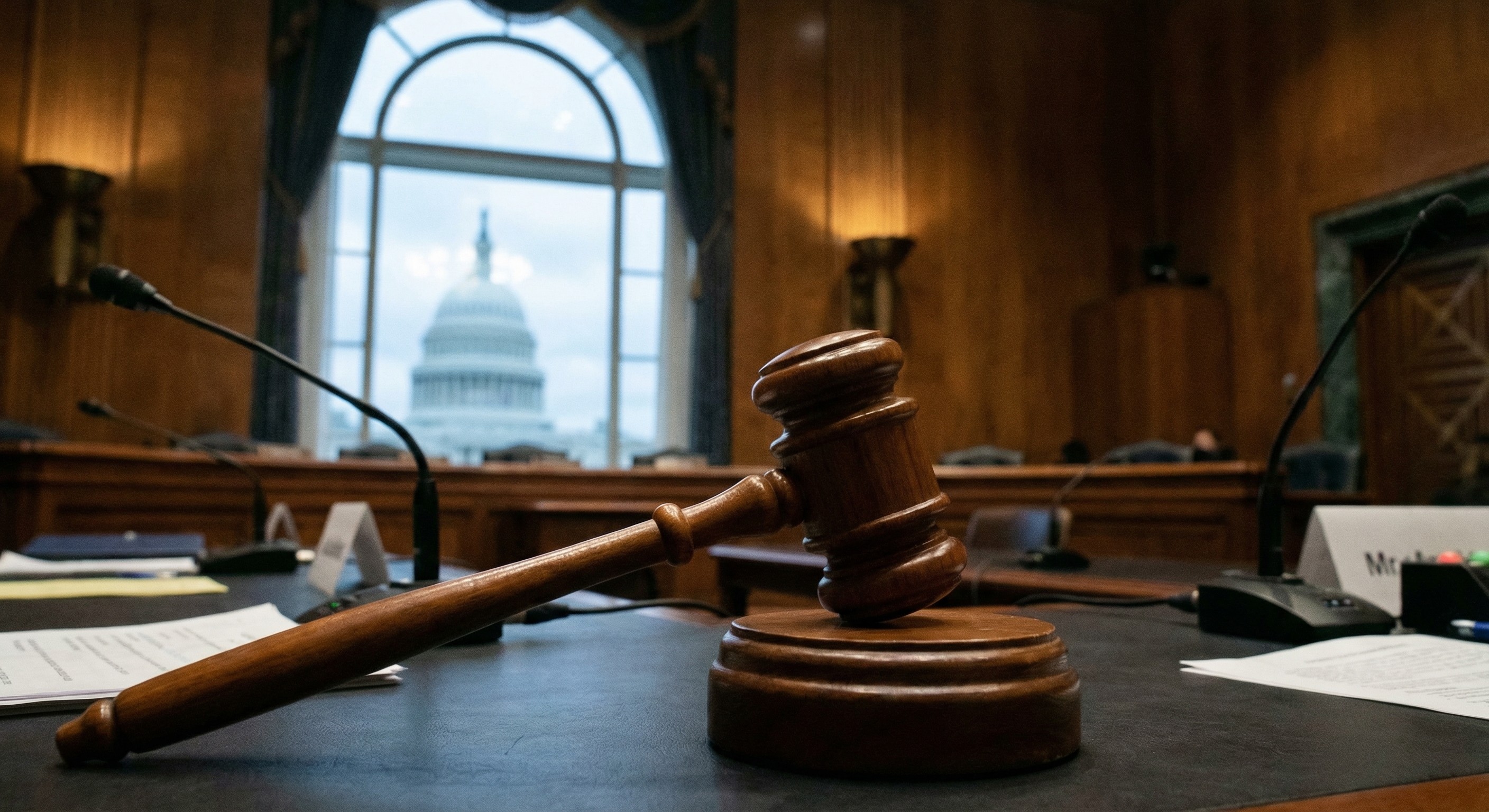
Recently, the tariffs imposed during the Trump era faced legal challenges and were ultimately invalidated by the courts. This development marked a significant shift in the U.S. trade landscape, as it required the current administration to reassess and potentially recalibrate its approach to international trade. The invalidation of these tariffs raised questions about the future of U.S. trade policy and its implications for global economic relations.
New Tariffs Under Different Authority
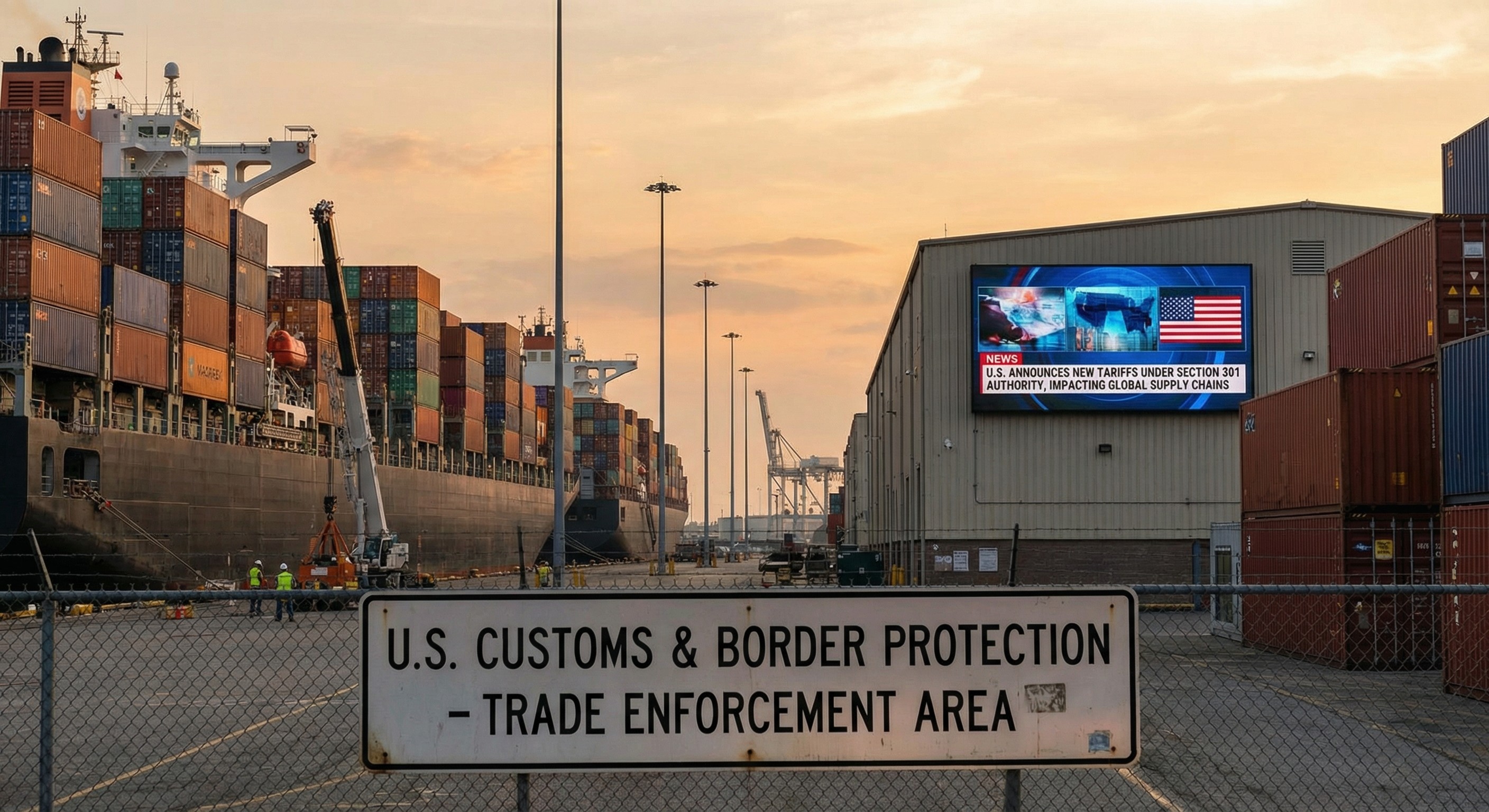
In response to the invalidation, the U.S. administration announced plans to impose new tariffs, this time leveraging a different legal authority. This move indicates a continued commitment to using tariffs as a strategic tool, albeit under a revised framework. The administration's decision underscores the ongoing importance of trade policy in addressing economic challenges and protecting national interests.
Implications for Global Trade
The introduction of new tariffs by the United States is likely to have far-reaching implications for global trade. Countries affected by these tariffs may respond with their own measures, potentially leading to a new wave of trade disputes. Additionally, businesses that rely on international supply chains could face increased costs and disruptions, impacting their operations and profitability.
Outlook for International Economic Relations
As the U.S. moves forward with its revised tariff strategy, the international community will be closely monitoring the implications for economic relations. The potential for increased trade tensions could influence global markets and economic growth. It remains to be seen how other nations will respond and whether diplomatic efforts can mitigate the impact of these new measures.