Background on the Tariff Dispute
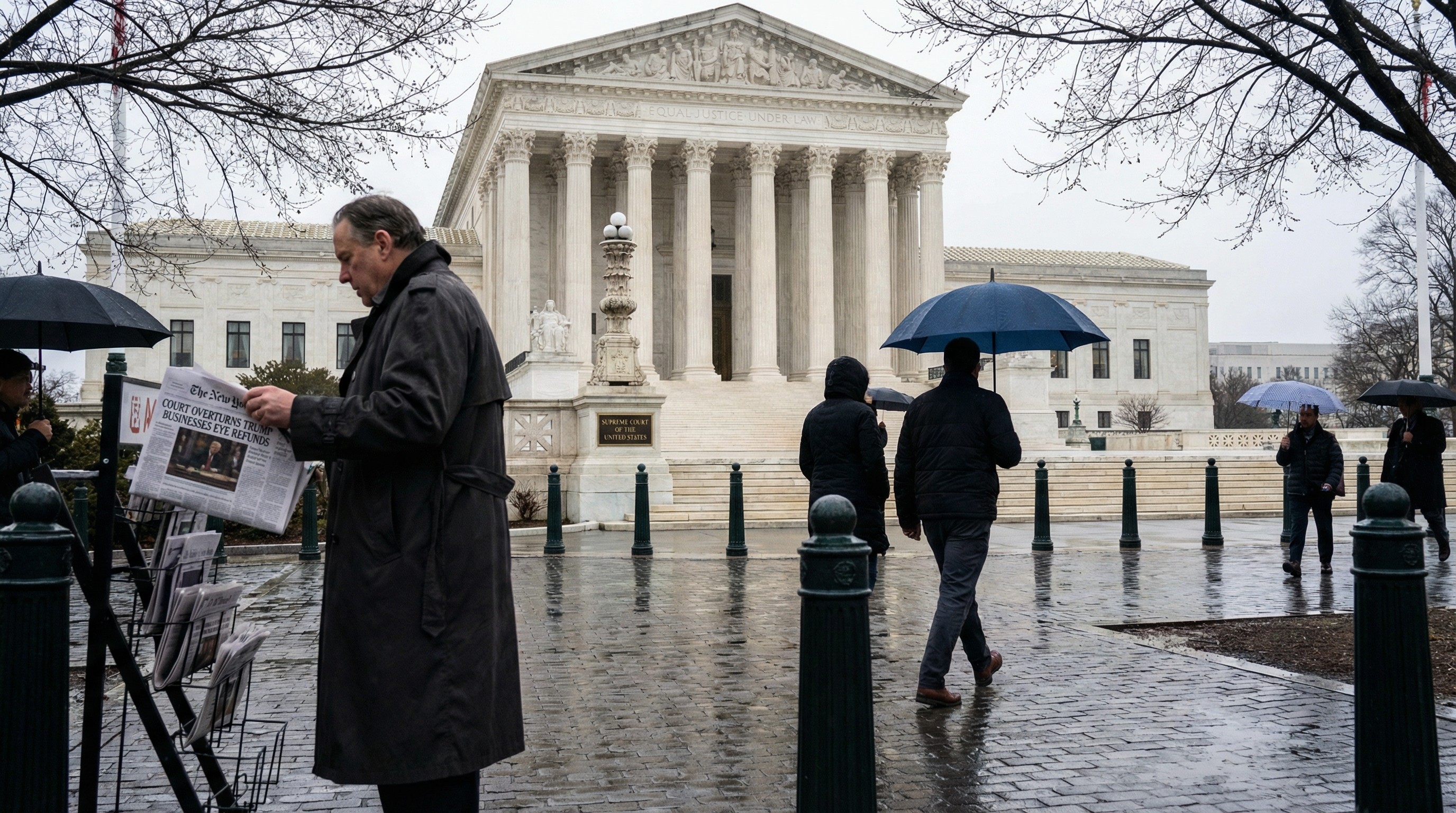
The US Supreme Court's recent decision to overturn tariffs imposed during the Trump administration has opened the door for numerous businesses to seek refunds. These tariffs, which were part of a broader trade strategy, primarily targeted goods imported from China, affecting a wide range of industries, including footwear. The levies were initially justified as a means to protect American jobs and industries from foreign competition, but they have been contentious from the outset.
Impact on the Footwear Industry
The footwear industry, among others, has been significantly impacted by these tariffs. According to Matt Priest, President and CEO of the Footwear Distributors and Retailers of America, companies within the sector have been proactive in preparing to file for tariff refunds. This preparation underscores the financial burden these tariffs have placed on businesses, which have had to navigate increased costs while attempting to remain competitive in the global market.
Broader Economic Implications
The Supreme Court's decision is not just a win for the footwear industry but could also have broader economic implications. If businesses across various sectors successfully claim refunds, this could inject substantial funds back into these companies, potentially leading to increased investment and job creation. However, the process of claiming refunds is complex and may take time, which could delay these potential economic benefits.
Legal and Administrative Challenges
While the ruling is a significant legal milestone, the path to obtaining refunds is fraught with challenges. Companies must navigate a complex legal landscape to prove their entitlement to these refunds. This involves gathering extensive documentation and potentially engaging in lengthy legal battles. The administrative burden on both businesses and the government could be significant, requiring substantial resources and time.
Future Outlook
Looking ahead, the Supreme Court's decision could influence future trade policies and negotiations. The ruling may prompt a reevaluation of the use of tariffs as a tool in trade disputes, encouraging a shift towards more collaborative and less adversarial approaches. For businesses, this decision underscores the importance of legal preparedness and the need to stay informed about policy changes that could impact their operations.