Supreme Court Ruling Alters Trade Dynamics
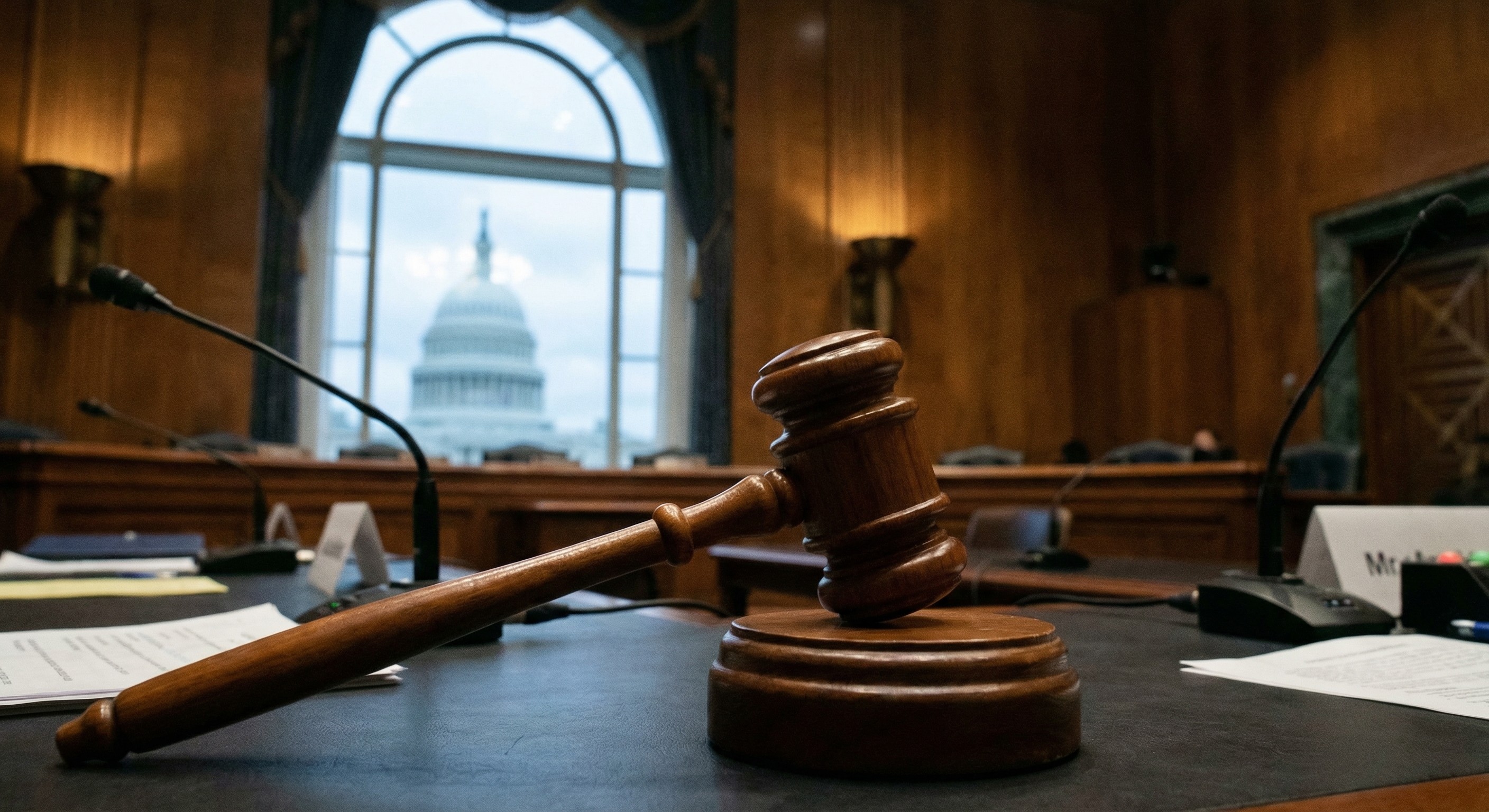
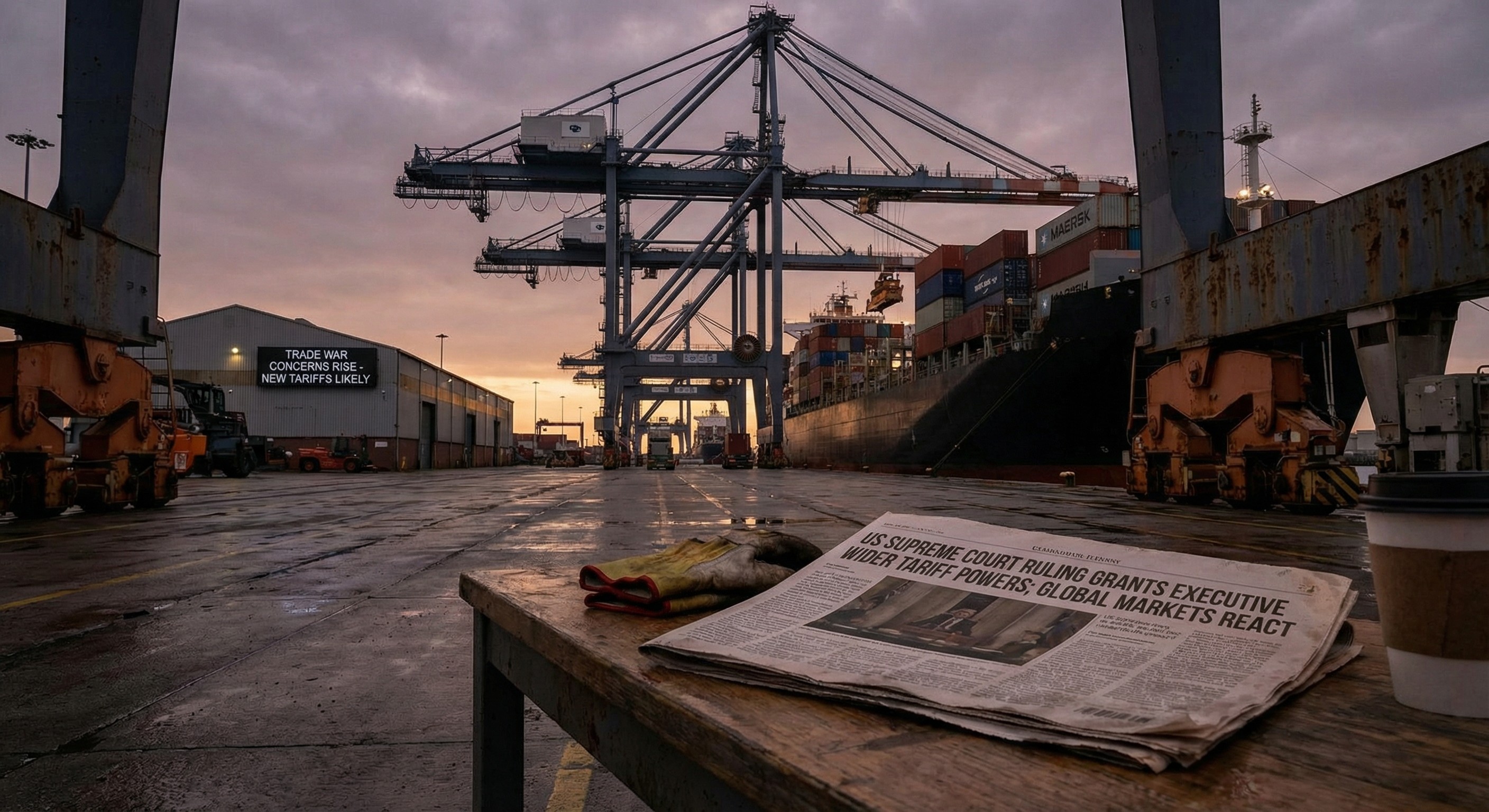
The recent decision by the US Supreme Court concerning tariffs has introduced a new layer of complexity to global trade relations. While the ruling was initially welcomed by many international exporters, its broader implications suggest a potential escalation in trade tensions. The ruling has inadvertently expanded the powers of the US president, allowing for more aggressive tariff imposition, which could lead to further economic discord.
Potential for Escalated Trade War
In the wake of the Supreme Court's decision, President Trump has signaled a readiness to impose higher tariffs than previously agreed upon. This development has raised alarms among market analysts who fear that an intensifying trade war could destabilize global markets. Neil Wilson of Saxo Markets has highlighted the unintended consequences of the ruling, suggesting that it may provide the US administration with unprecedented leverage in trade negotiations, potentially leading to retaliatory measures from other nations.
Implications for Global Markets
The prospect of heightened tariffs poses significant risks to international trade. Countries that have been targeted by US tariffs may seek to implement their own countermeasures, further straining diplomatic and economic relations. The uncertainty surrounding these developments has already begun to impact market sentiment, with investors wary of the potential for increased volatility.
White House's Strategic Plans
The White House has indicated plans to implement a 15% tariff at a later stage, adding another layer of unpredictability to the situation. This strategic move provides the administration with flexibility in its trade policy, but it also complicates the international economic landscape. As the situation evolves, stakeholders across the globe are closely monitoring the US's next steps, aware that any further escalation could have widespread repercussions.
Outlook and Future Considerations
While the US is not currently facing a balance of payments crisis, the potential for a trade war could alter this status. The international community is urged to consider diplomatic solutions to prevent further economic disruption. As the global economy remains interconnected, the actions of one nation can have far-reaching effects, underscoring the importance of collaborative approaches to resolving trade disputes.