Senate Deadlock Over DHS Funding
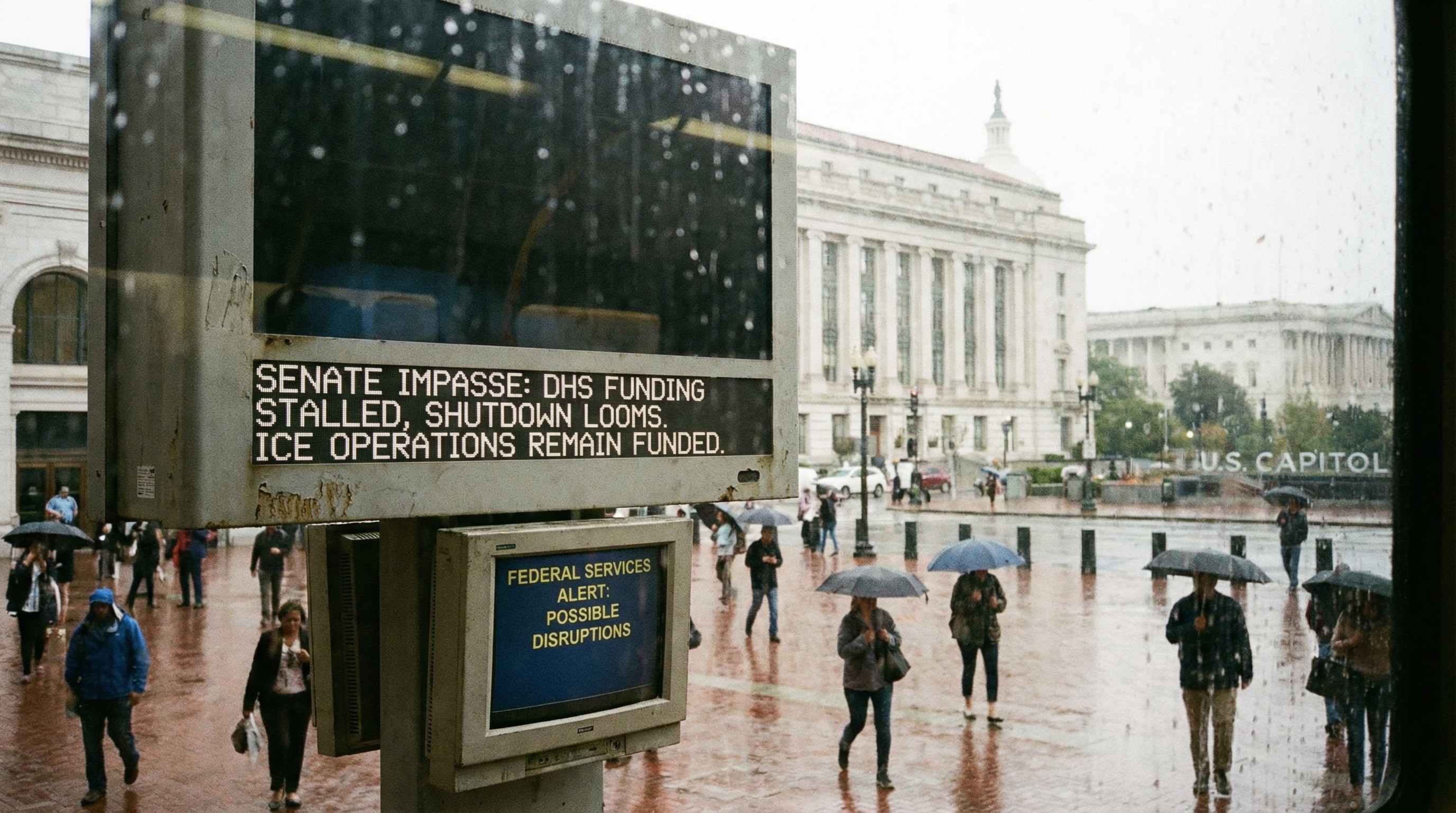
The U.S. Senate is embroiled in a contentious debate over funding for the Department of Homeland Security (DHS), with Democrats blocking a proposed funding package. This political impasse is likely to result in a shutdown of the department at midnight on Friday, impacting a wide array of services. The disagreement stems from broader tensions surrounding the Trump administration's immigration policies and recent events in Minneapolis.
Implications of a DHS Shutdown
A shutdown of the DHS could have significant ramifications, affecting operations that include border security, disaster response, and cybersecurity efforts. However, the Immigration and Customs Enforcement (ICE) agency, often a focal point of Democratic criticism, will remain largely unaffected. This is due to ICE's existing robust federal funding, which insulates it from the immediate impacts of a departmental shutdown.
Political Context and Reactions
The funding stalemate is deeply rooted in political divisions over immigration enforcement and recent high-profile incidents that have intensified public scrutiny. The Trump administration's policies have been a point of contention, with Democrats particularly opposed to what they perceive as harsh immigration enforcement measures. The recent deaths in Minneapolis have further fueled these tensions, drawing national attention and influencing legislative priorities.
Broader Impact on Government Services
While ICE operations may continue unabated, other DHS services face potential disruptions. This includes the Transportation Security Administration (TSA), which could see reduced staffing, leading to longer wait times at airports. Additionally, the Federal Emergency Management Agency (FEMA) may experience delays in disaster response capabilities, potentially affecting communities reliant on federal assistance during emergencies.
Outlook and Future Prospects
As the deadline approaches, the possibility of a last-minute resolution remains uncertain. The ongoing impasse highlights the broader challenges facing the U.S. political landscape, where partisan divides frequently hinder legislative progress. Moving forward, both parties will need to navigate these complexities to ensure critical government functions are maintained, even amidst political disagreements.