Incident at the US-Mexico Border
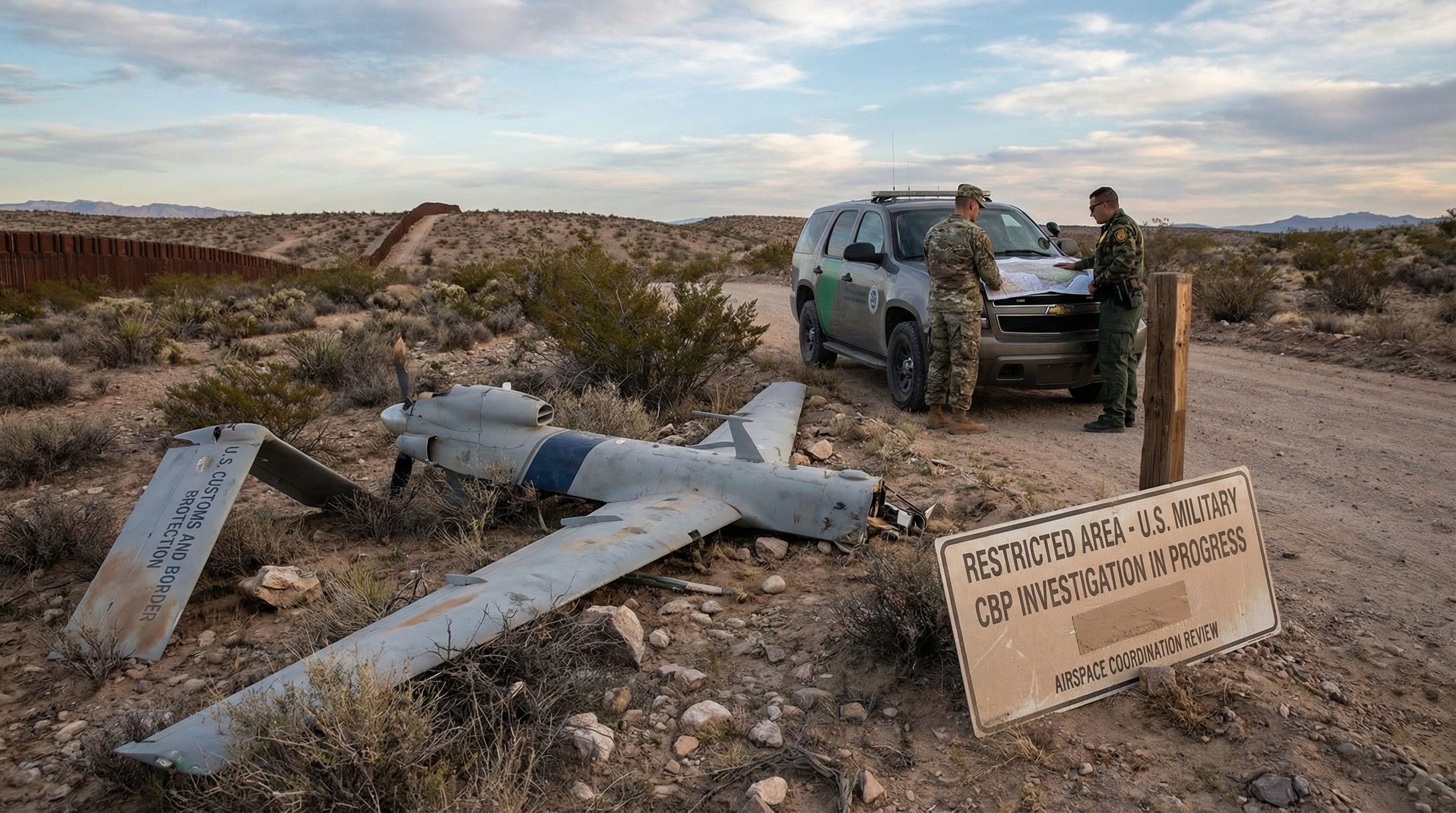
An incident involving the US military mistakenly shooting down a Customs and Border Protection (CBP) drone has raised significant concerns about airspace management and coordination. The event took place near Fort Hancock, Texas, close to the US-Mexico border. This incident not only underscores the complexities of operating in such a sensitive region but also highlights the need for more robust communication protocols between various federal agencies.
Airspace Closure and Safety Concerns
Following the incident, the Federal Aviation Administration (FAA) took the precautionary measure of closing the airspace in the vicinity where the military's anti-drone laser was fired. This decision reflects the FAA's commitment to ensuring safety in all air traffic operations. However, it also points to the challenges faced when multiple agencies operate in overlapping jurisdictions, particularly in areas as critical as the US-Mexico border.
Recurring Issues with Anti-Drone Technology
This marks the second occurrence within a month where airspace near the US-Mexico border was closed due to incidents involving anti-drone lasers. Earlier in February, a similar situation arose around the El Paso International Airport when CBP used an anti-drone laser without prior coordination with the FAA. Such incidents emphasize the growing pains associated with integrating new technologies like anti-drone systems into existing airspace management frameworks.
Implications for Border Security Operations
The inadvertent shooting down of a CBP drone by the military highlights potential vulnerabilities in border security operations. Drones have become an essential tool for surveillance and monitoring in border regions, offering real-time intelligence and operational flexibility. However, incidents like these could undermine the effectiveness of border security efforts and necessitate a reevaluation of current protocols and technologies.
Looking Ahead: Enhancing Coordination
Moving forward, it is imperative for federal agencies like the FAA, CBP, and the military to enhance their coordination and communication strategies. Establishing clear guidelines and protocols for the use of anti-drone technologies will be crucial in preventing similar incidents. As the reliance on drones and other advanced technologies increases, so too must the efforts to ensure their safe and effective integration into national security operations.