U.S. Military Intensifies Efforts Against Narco-Terrorism
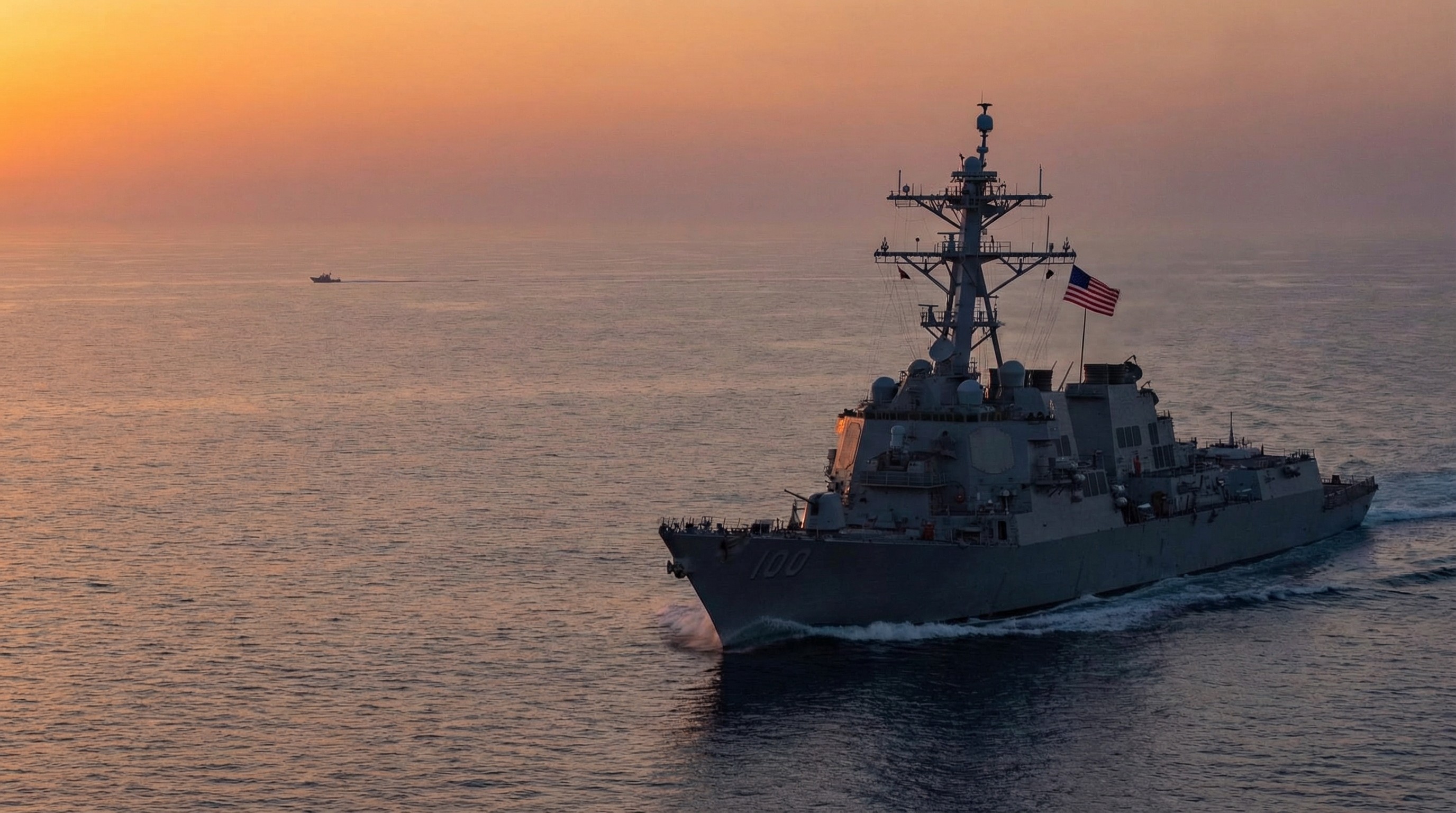
In a significant escalation of its anti-drug operations, the U.S. military targeted three suspected drug-trafficking vessels on Monday. These operations, conducted in the Eastern Pacific and the Caribbean, resulted in the deaths of 11 individuals identified as narco-terrorists by the U.S. Southern Command (Southcom). This action underscores the United States' commitment to combating the persistent threat of drug trafficking and its associated violence.
Details of the Military Operations
According to Southcom, the military operations were conducted against two boats in the Eastern Pacific and one in the Caribbean. In the Eastern Pacific, eight male narco-terrorists were killed in two separate strikes, with four fatalities reported in each incident. Another operation in the Caribbean resulted in the deaths of three individuals. These coordinated efforts highlight the U.S. military's strategic focus on targeting drug trafficking routes that significantly impact both regional stability and U.S. national security interests.
Context and Background
The operations are part of a broader U.S. strategy to disrupt the operations of drug cartels and their networks, which are often linked to organized crime and terrorism. The Eastern Pacific and Caribbean regions are notorious for being major drug trafficking corridors, where illicit substances are transported from South America to North America. The U.S. Southern Command plays a crucial role in monitoring and intercepting these illegal activities, working closely with regional partners to enhance security and stability.
Implications of the Strikes
The recent military actions reflect the ongoing challenges faced by the U.S. and its allies in curbing the influence of drug cartels. By targeting these boats, the U.S. aims to disrupt the supply chains and financial networks that fuel narco-terrorism. However, such operations also raise questions about the potential for collateral damage and the broader impact on international relations, particularly with countries in the region that may be affected by these military actions.
Looking Ahead: The Future of U.S. Anti-Drug Operations
As the U.S. continues to confront the complex dynamics of drug trafficking and narco-terrorism, future operations are likely to involve increased collaboration with international partners. The effectiveness of these military interventions will depend on a comprehensive approach that includes intelligence sharing, capacity building, and addressing the socio-economic factors that contribute to the drug trade. The U.S. remains committed to its role in promoting security and stability in the Western Hemisphere, but the path forward will require balancing military actions with diplomatic efforts to achieve sustainable outcomes.