US Military's Aggressive Anti-Drug Operations
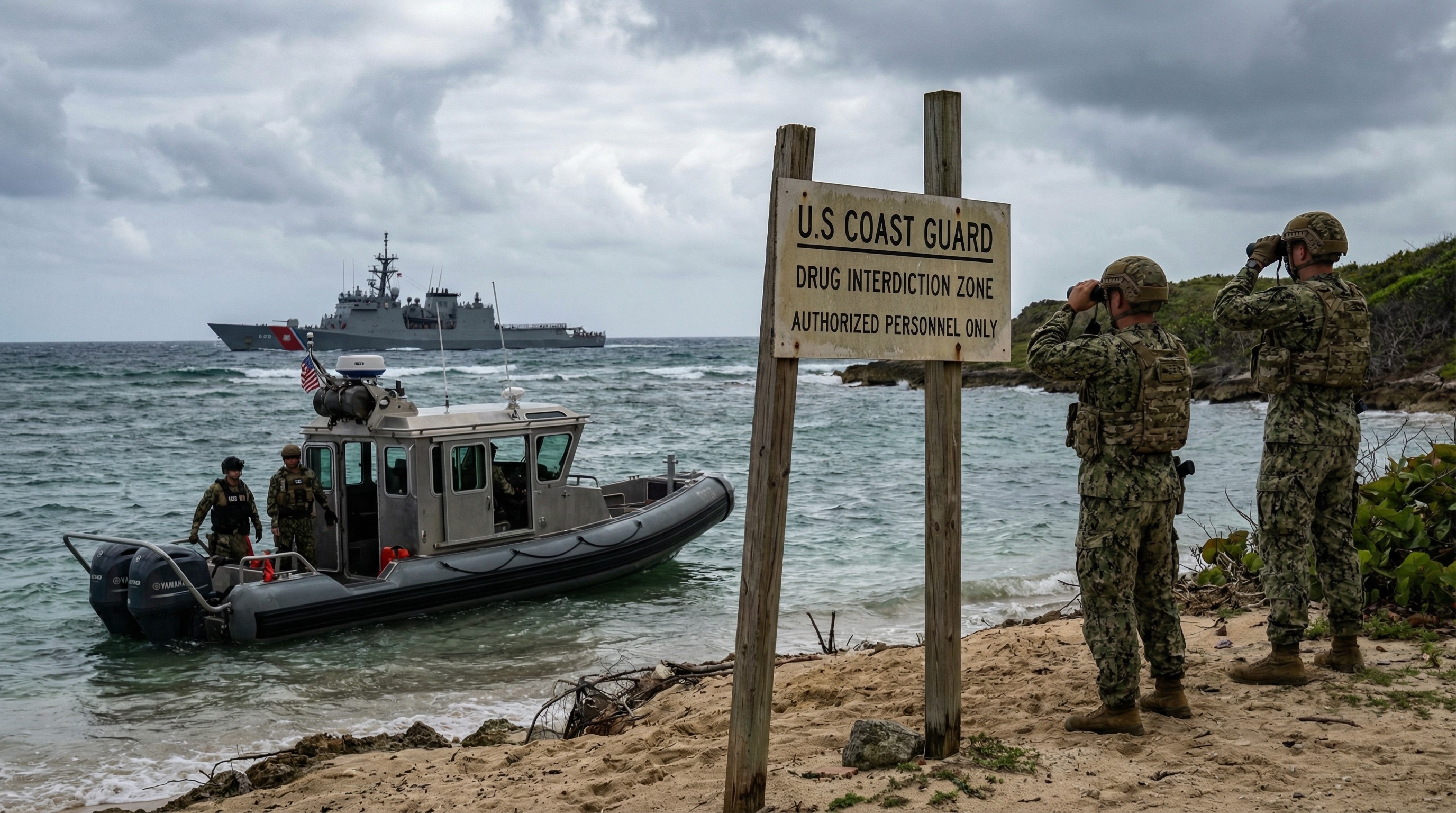
In a significant escalation of its anti-drug operations, the United States military has launched a series of aggressive strikes targeting alleged drug-smuggling vessels in the Caribbean Sea and the eastern Pacific Ocean. These operations, carried out under the directive of the Trump administration, have resulted in the deaths of 11 individuals in a single day, marking one of the deadliest encounters since the campaign began.
Background of the Campaign
Since September, the Trump administration has intensified its efforts to combat drug trafficking by labeling those involved as "narco-terrorists." This designation has justified the use of military force against suspected traffickers operating on small boats in notorious smuggling routes. The campaign has seen a total of 42 known strikes, leading to 145 fatalities, as reported by the Associated Press. The administration's approach underscores a shift towards a more militarized strategy in addressing the drug trade.
Strategic Importance of the Targeted Regions
The Caribbean and the eastern Pacific are critical corridors for drug smuggling operations. These regions serve as major transit routes for narcotics, primarily cocaine, being trafficked from South America to the United States and other international markets. The geographical characteristics of these areas, with their vast and relatively unmonitored waters, make them ideal for smuggling activities. The US military's focus on these regions highlights the strategic importance of disrupting these supply lines as part of broader efforts to curb the flow of illegal drugs.
Implications of the Military Actions
The use of military force in anti-drug operations raises significant questions about the implications for international relations and human rights. The aggressive stance taken by the US has sparked debate over the effectiveness and ethics of such measures. Critics argue that military interventions may not address the root causes of drug trafficking and could lead to unintended consequences, including the potential for civilian casualties and strained diplomatic relations with countries in the region.
Future Outlook and Challenges
As the campaign continues, the US faces several challenges in sustaining its efforts against drug smuggling. The adaptability of drug trafficking networks means that smugglers are likely to develop new methods and routes to evade detection. Additionally, the international community's response to these military operations will be crucial in determining the campaign's long-term success. Collaborative efforts with regional partners and a comprehensive strategy that includes addressing socio-economic factors driving the drug trade may be necessary to achieve lasting results.