Geopolitical Discussions Influence Financial Markets
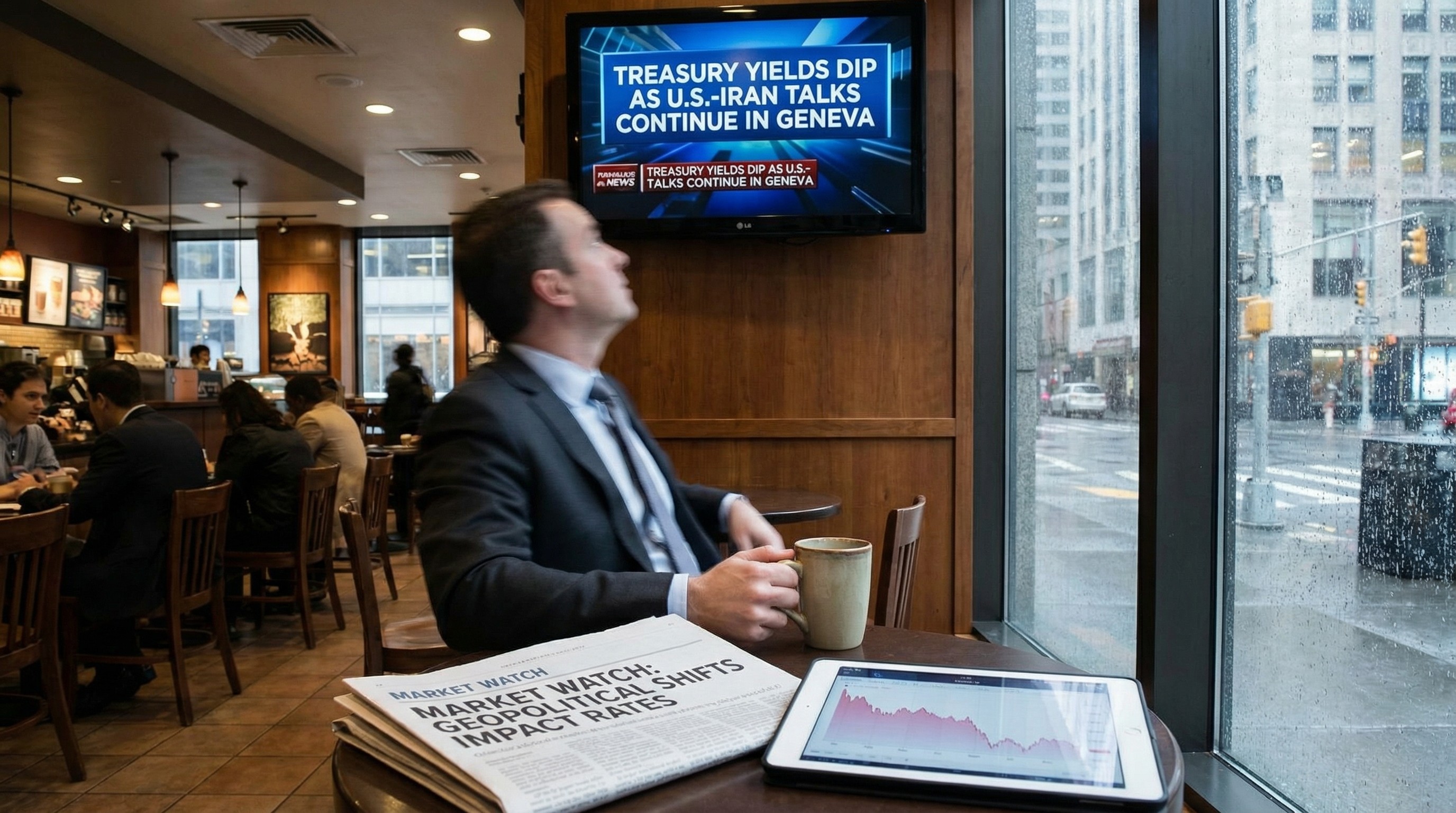
In a notable shift, U.S. Treasury yields experienced a decline, reversing gains made the previous day. This change was largely attributed to ongoing diplomatic discussions between the United States and Iran in Geneva, underscoring the significant influence of geopolitical events on financial markets. As investors closely monitored these talks, the movement in yields reflected broader concerns about potential outcomes and their implications for global stability.
The Context Behind U.S.-Iran Negotiations
The discussions in Geneva are part of a broader effort to address longstanding tensions between the U.S. and Iran, particularly concerning Iran's nuclear program. These negotiations are critical, as they aim to revive the 2015 nuclear deal, formally known as the Joint Comprehensive Plan of Action (JCPOA), which the U.S. withdrew from in 2018 under the Trump administration. The potential for renewed agreements could significantly impact international relations and economic sanctions, with far-reaching consequences for global trade and security.
Impact on Treasury Yields and Investor Sentiment
The decline in Treasury yields signifies a cautious approach by investors, who often seek safe-haven assets amid uncertainty. Yields, which move inversely to bond prices, fell as demand for U.S. government bonds increased. This trend reflects market participants' apprehension about the outcome of the U.S.-Iran talks and their broader geopolitical implications. The sensitivity of yields to such discussions highlights the interconnected nature of global politics and financial markets.
Broader Implications for Global Markets
The outcome of the Geneva talks could have significant repercussions beyond the immediate financial markets. A successful negotiation could lead to a reduction in geopolitical tensions, potentially stabilizing oil prices and impacting energy markets worldwide, given Iran's role as a major oil producer. Conversely, a failure to reach an agreement might exacerbate tensions, leading to increased volatility in both regional and global markets.
Outlook: Monitoring Future Developments
As the U.S. and Iran continue their discussions, investors and policymakers alike will be closely watching for any developments that could signal a shift in the geopolitical landscape. The resolution or escalation of these talks will likely have a profound impact on market dynamics, influencing investor strategies and economic forecasts. Moving forward, the interplay between diplomatic efforts and market reactions will remain a key area of focus for analysts and stakeholders worldwide.