
Progress in Geneva Talks
Recent negotiations between the United States and Iran regarding nuclear agreements have shown signs of progress, according to officials involved in the discussions. The talks, held in Geneva, marked a step forward with both parties agreeing on guiding principles for a potential deal. However, significant details remain unresolved, and further discussions are planned to address these gaps.
Background and Context
The negotiations are part of ongoing efforts to revive the Joint Comprehensive Plan of Action (JCPOA), which was originally established in 2015 but was abandoned by the U.S. in 2018 under the Trump administration. The JCPOA aimed to limit Iran's nuclear capabilities in exchange for lifting economic sanctions. The current discussions seek to bring both countries back to the negotiating table with a focus on preventing nuclear proliferation in the region.
Military Tensions in the Middle East
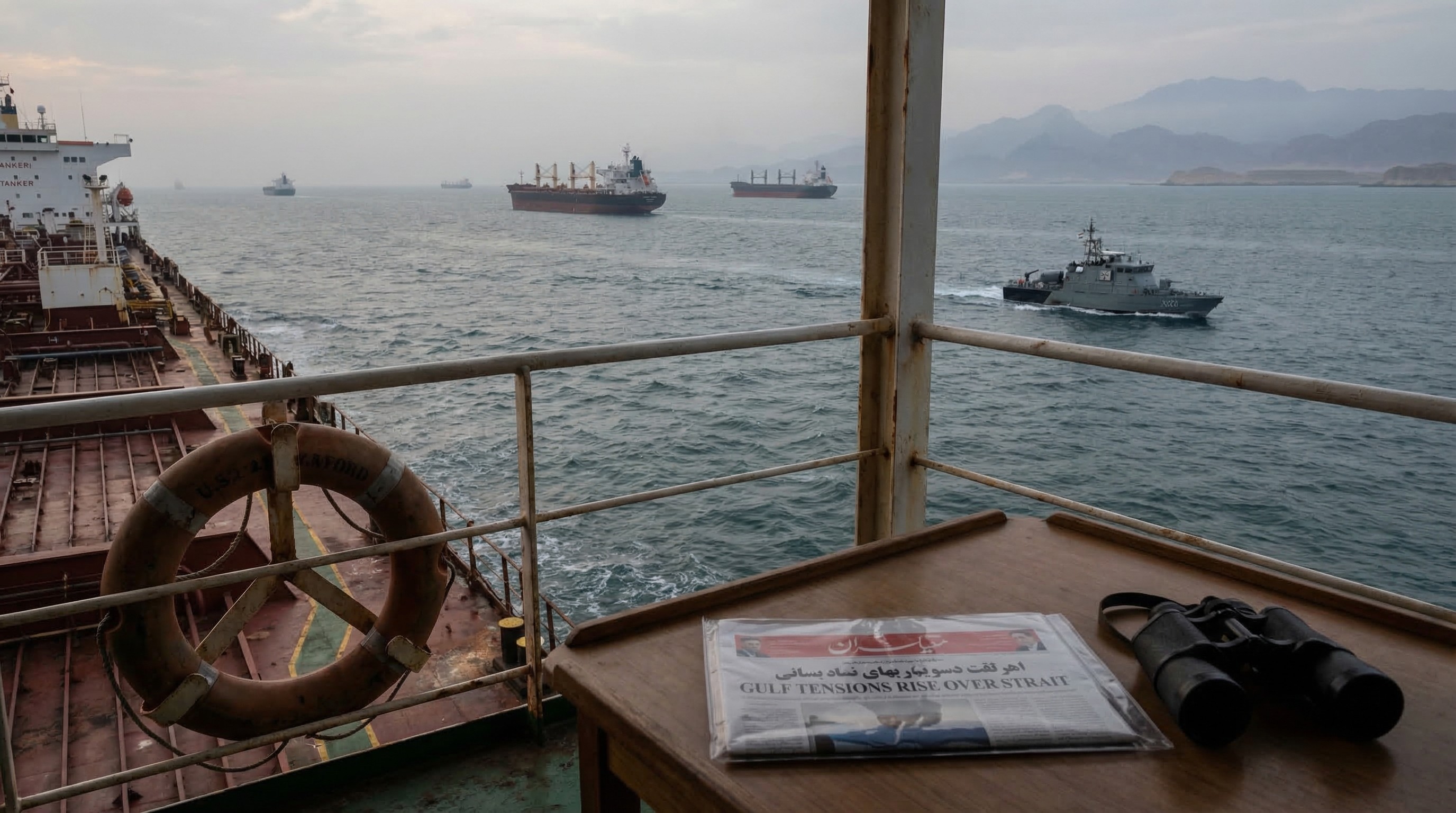
Amid these diplomatic efforts, the U.S. has increased its military presence in the Middle East. This includes the deployment of a second aircraft carrier strike group and an array of fighter jets, including F-35, F-22, and F-16 models. This buildup underscores the heightened tensions and the potential for military conflict should diplomatic measures fail. The U.S. government's actions suggest a dual approach of negotiation coupled with strategic military readiness.
Statements from Key Officials
Iranian Foreign Minister Abbas Araghchi described the talks as "serious, constructive, and positive," noting that both sides have a clearer path forward. He emphasized that while an agreement is not imminent, the foundational principles have been established. U.S. officials echoed this sentiment, acknowledging progress but highlighting the need for further detailed discussions.
Omani Foreign Minister Badr Albusaidi, who played a mediating role, confirmed the constructive nature of the talks and the identification of common goals. He stressed that while significant work remains, the parties have outlined clear steps for future negotiations.
Next Steps and Future Outlook
The next phase involves drafting potential agreements and exchanging texts between the parties. Both sides aim to convene for a third round of negotiations, although a specific date has not been set. The outcome of these negotiations could significantly impact regional stability and the global non-proliferation regime.
The international community is closely monitoring these developments, as the resolution of the nuclear issue could have far-reaching implications for global security and economic conditions. The interplay between diplomatic efforts and military posturing will likely continue to shape the dynamics of U.S.-Iran relations in the coming weeks.