
US-Iran Relations: A History of Complexity
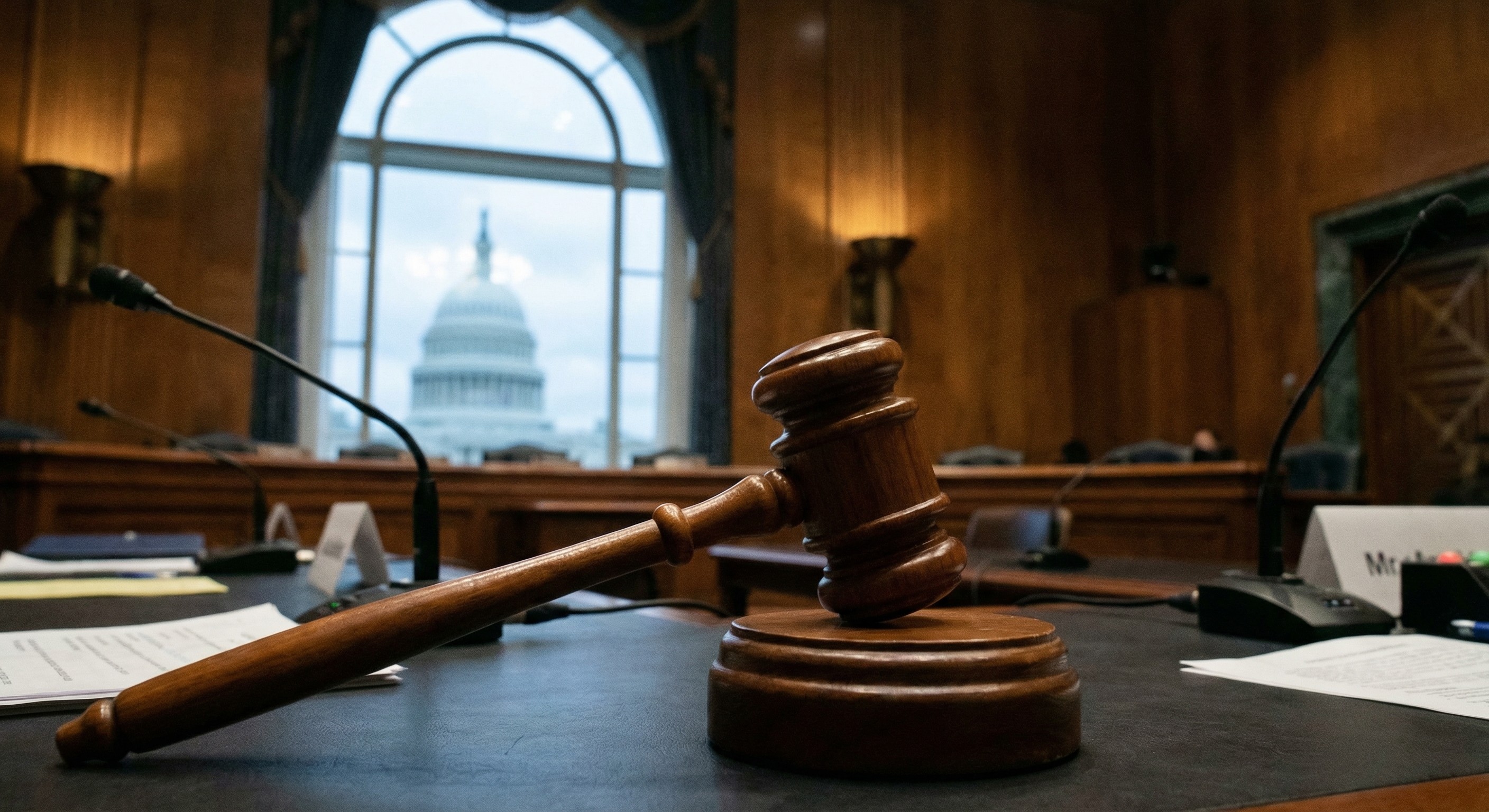
The relationship between the United States and Iran has been fraught with tension for decades, primarily due to Iran's nuclear ambitions and its geopolitical influence in the Middle East. The recent indirect talks in Geneva mark another chapter in this complex narrative, as both nations attempt to navigate a path toward a potential agreement on Iran's nuclear program. These discussions are critical, not only for regional stability but also for global security, given the potential implications of a nuclear-armed Iran.
Backdrop of Military Tensions
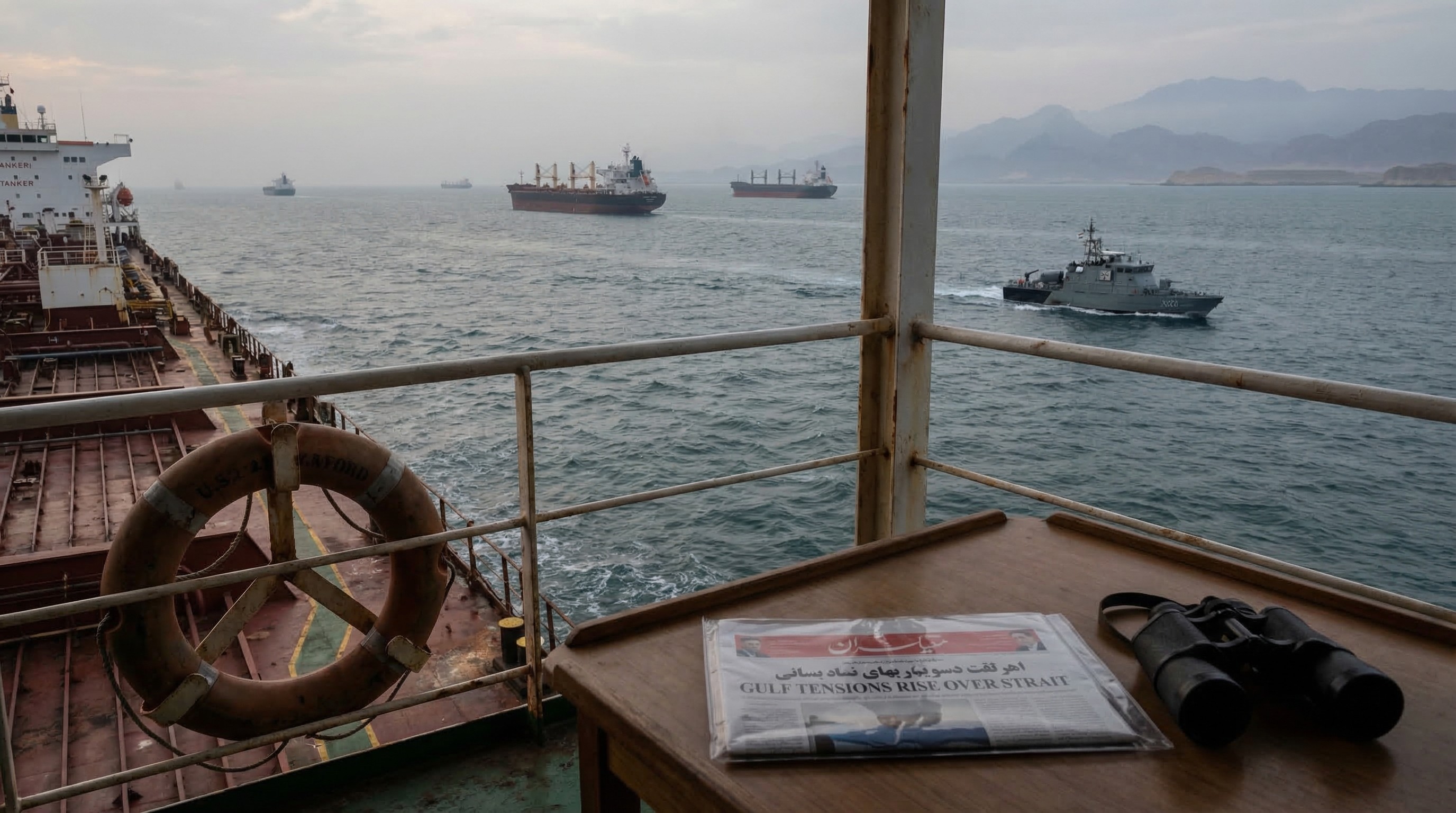
The Geneva talks occurred against a backdrop of heightened military activity, with the United States increasing its naval presence in the region. This buildup is seen as a strategic move to exert pressure on Iran, demonstrating the US's readiness to protect its interests and allies. Concurrently, Iran announced live-fire exercises in the Strait of Hormuz, a vital chokepoint for global oil shipments. These maneuvers underscore the fragile nature of the situation, where diplomatic efforts are continually shadowed by military posturing.
Contradictory Signals from Washington
Amid the negotiations, US President Donald Trump sent mixed messages regarding Iran. On one hand, he expressed optimism that Iran is interested in reaching a deal, while on the other, he emphasized the significance of the US military's presence in the region. This dual approach reflects a broader strategy of applying maximum pressure on Tehran while leaving the door open for diplomatic resolutions. However, such contradictory signals can complicate the negotiation process, potentially leading to misunderstandings or miscalculations.
The Role of the UN and International Community
The involvement of the UN nuclear weapons inspectorate in the talks is crucial for ensuring transparency and compliance. The international community, particularly European nations, plays a significant role in mediating between the US and Iran, advocating for a peaceful resolution. The stakes are high, as a failure to reach an agreement could lead to further destabilization in the region, impacting global oil markets and security dynamics.
Future Prospects and Challenges
Looking ahead, the path to a comprehensive nuclear agreement remains fraught with challenges. Both the US and Iran must navigate domestic political pressures, regional rivalries, and the broader international landscape. The success of these talks depends on the willingness of both parties to compromise and build trust, a task made more difficult by years of animosity and suspicion. Nevertheless, the potential benefits of a deal, including enhanced regional stability and economic opportunities, provide a compelling incentive for continued dialogue.