
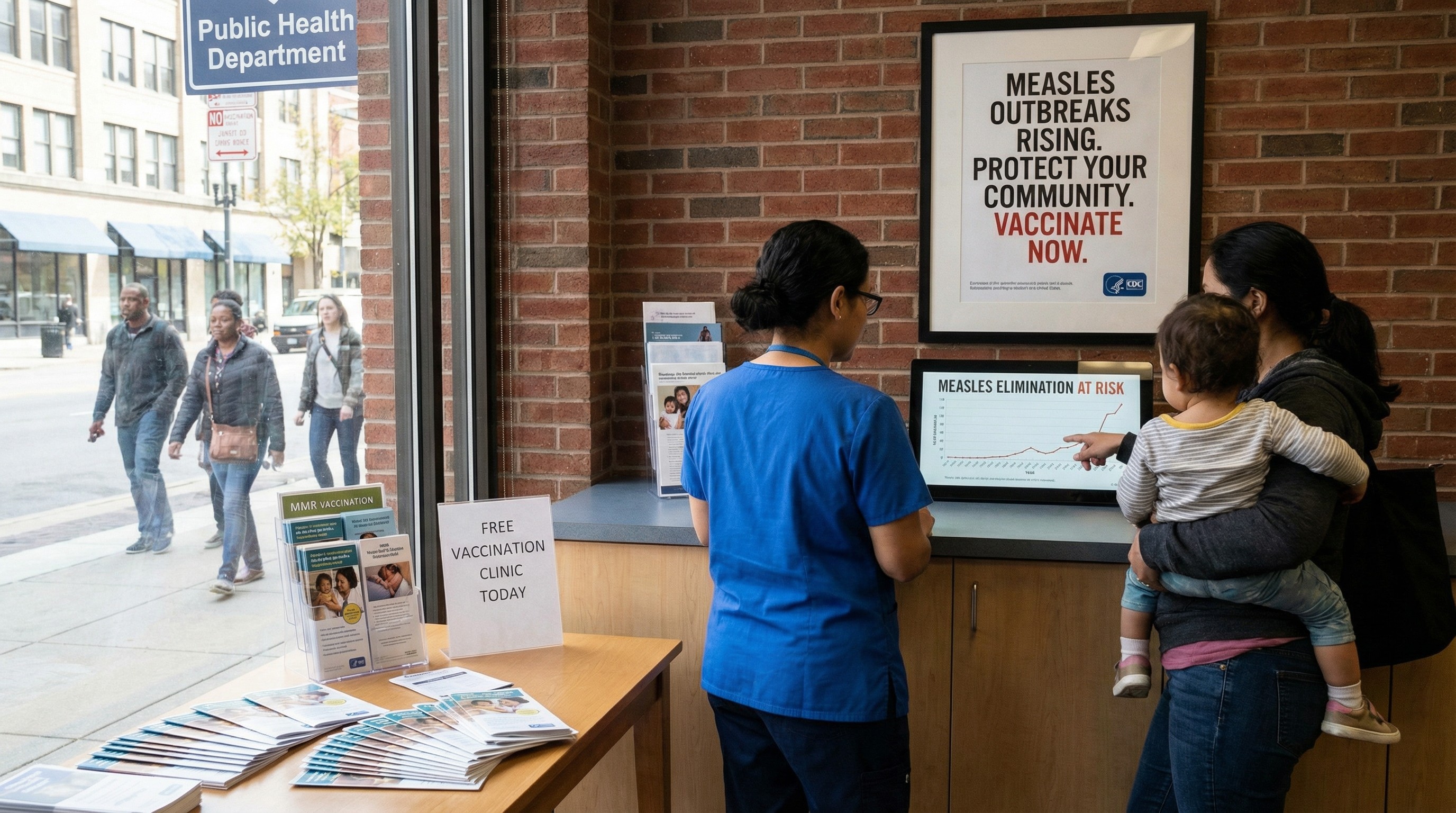
Concerns Over Measles Elimination Status
The United States is facing a critical public health challenge as measles outbreaks continue to emerge across multiple states. Health officials are raising alarms that the country may lose its measles elimination status, a designation it has held since 2000. This status is at risk due to the increasing number of cases and the potential for the virus to spread further.
Calls for Vaccination Intensify
In response to the growing threat, Dr. Mehmet Oz, a prominent cardiothoracic surgeon and current administrator of the Centers for Medicare & Medicaid Services, has publicly urged Americans to get vaccinated against measles. "Take the vaccine, please," said Dr. Oz, emphasizing the vaccine as a proven solution to the problem. His call to action underscores the urgency of addressing the outbreaks before they escalate further.
Current Outbreaks and Their Impact
South Carolina is among the states experiencing a significant surge in measles cases, contributing to the national concern. The outbreaks are not isolated to one region, indicating a broader public health issue that requires immediate attention. The Centers for Disease Control and Prevention (CDC) have been closely monitoring the situation, working with state and local health departments to contain the spread.
Understanding Measles and Its Risks
Measles is a highly contagious viral disease that can lead to severe health complications, especially in young children. Despite being preventable through vaccination, the disease has seen a resurgence in recent years, partly due to vaccine hesitancy and misinformation. The measles-mumps-rubella (MMR) vaccine is highly effective, providing immunity to most individuals who receive the recommended doses.
The Broader Implications
Losing the measles elimination status would be a significant setback for the US public health system and could have broader implications for global health. It would signal a reversal of progress made over decades in controlling vaccine-preventable diseases. The situation highlights the importance of maintaining high vaccination coverage to protect communities and prevent outbreaks.
As health officials continue to advocate for vaccination, the focus remains on educating the public about the safety and efficacy of vaccines. The ongoing outbreaks serve as a reminder of the critical role vaccines play in safeguarding public health and the necessity of maintaining vigilance in disease prevention efforts.