Economic Indicators Fall Short
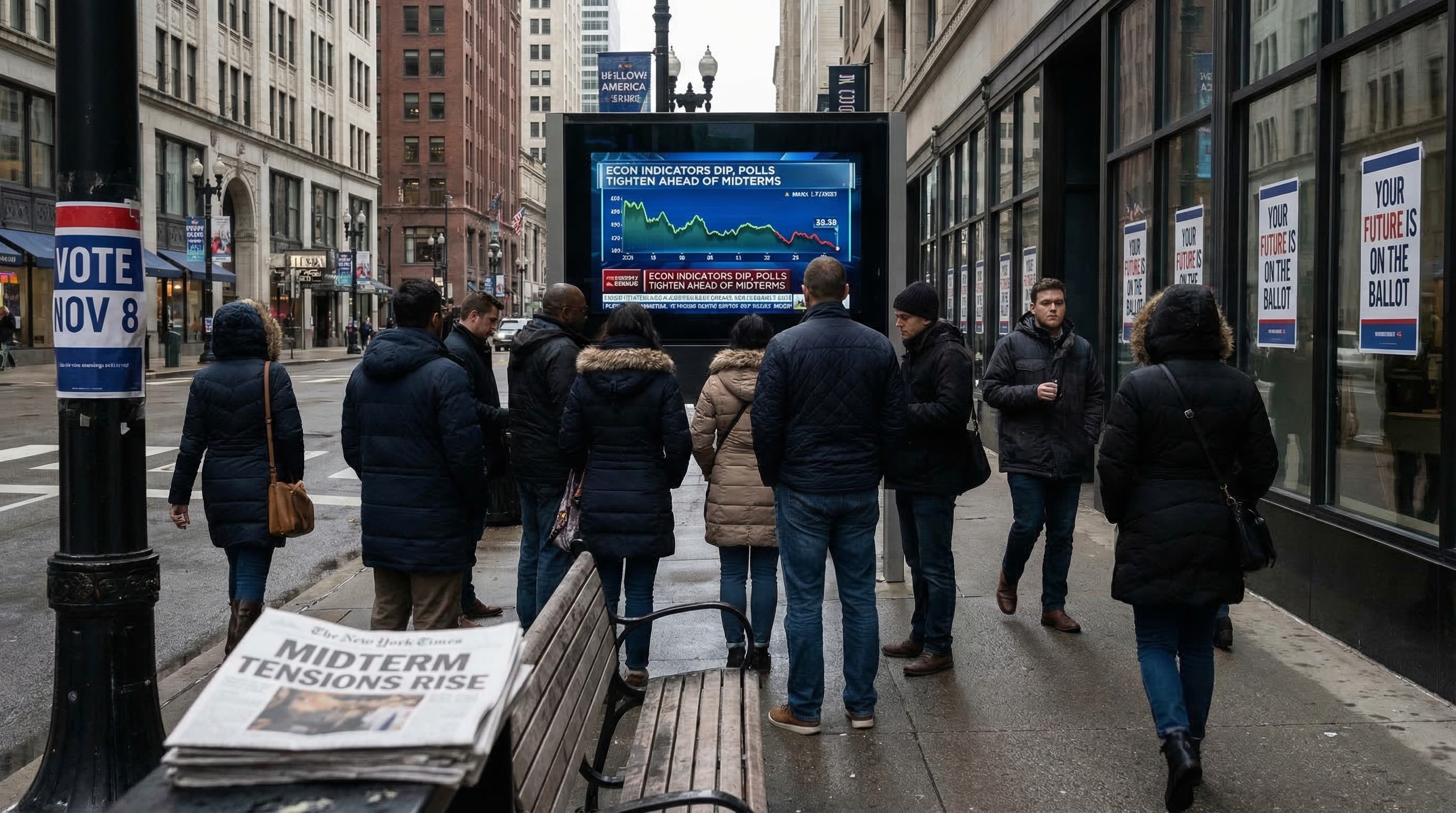
Recent economic data released in the United States has revealed figures that are weaker than anticipated, creating a ripple of concern among political parties as the midterm elections loom. The numbers, which were expected to show more robust growth, instead highlighted vulnerabilities in the current economic landscape, prompting a wave of political discourse.
Political Reactions Intensify
As the midterm elections draw near, both major political parties in the U.S. have seized upon the economic figures to bolster their respective narratives. For the incumbent party, these numbers present a challenge to their claims of economic recovery and growth. Conversely, the opposition has leveraged the data to criticize the current administration's economic policies, arguing that they have failed to deliver on promises of prosperity.
Impact on Voter Sentiment
The economic figures are likely to have a significant impact on voter sentiment as the midterms approach. Economic performance often plays a crucial role in elections, influencing voters' perceptions of the effectiveness of the sitting government. With the economy being a central issue, both parties are expected to intensify their campaigns to sway undecided voters by focusing on economic strategies and solutions.
Broader Economic Implications
Beyond the immediate political ramifications, the weaker-than-expected economic data raises questions about the broader state of the U.S. economy. Analysts are concerned about potential slowdowns in key sectors, which could have long-term implications for economic stability and growth. These concerns are compounded by global economic uncertainties, including supply chain disruptions and geopolitical tensions, which could further affect the U.S. economy.
Looking Ahead
As the midterm elections approach, the focus will remain on how each party addresses the economic challenges highlighted by the recent data. The outcome of the elections could significantly influence future economic policies and strategies. Observers will be watching closely to see how these developments unfold and what they mean for the U.S. economy in the longer term.