
Defense Secretary's New Academic Policy
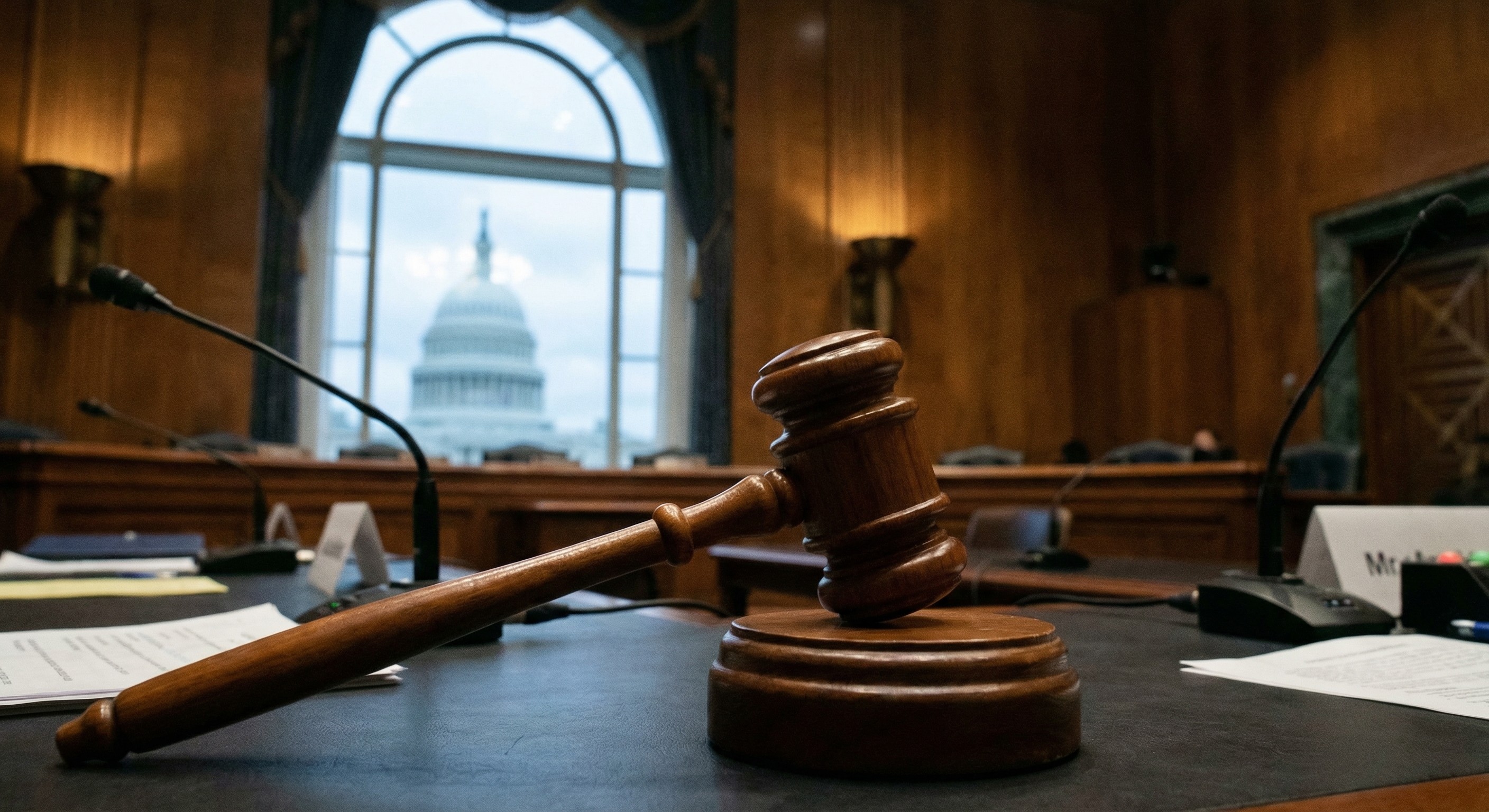
U.S. Defense Secretary Pete Hegseth is taking a bold step by proposing significant changes to the tuition assistance program for military personnel. This initiative targets academic institutions that Hegseth perceives as biased against the military, potentially affecting dozens of top colleges and universities across the nation. The move has sparked concern among both military and academic circles, highlighting the tension between national defense priorities and academic freedom.
Concerns Over Military-Academic Relations
The proposed policy change is causing unease due to its potential impact on the relationship between the military and higher education institutions. Tuition assistance programs have long been a vital resource for service members seeking to advance their education and transition to civilian life. Critics argue that withdrawing this support could undermine the professional development of military personnel, ultimately affecting military readiness and effectiveness.
Implications for Service Members
For service members, the potential withdrawal of tuition assistance could have significant ramifications. Many rely on these programs to gain skills and qualifications that are crucial for career advancement both within the military and in civilian sectors. The decision could lead to reduced educational opportunities, affecting morale and the attractiveness of military service as a career choice.
Academic Freedom and Institutional Autonomy
On the other side, academic institutions are concerned about the implications for academic freedom and institutional autonomy. Universities often pride themselves on being spaces for open dialogue and diverse perspectives, including critical views of military policies. The threat of losing tuition assistance funding could pressure institutions to alter their curricula or policies to align with military preferences, potentially stifling academic discourse.
Future Outlook and Potential Resolutions
As discussions unfold, stakeholders are exploring possible resolutions that balance the need for military readiness with the principles of academic freedom. Some suggest that increased dialogue between the Department of Defense and academic institutions could lead to a better understanding of mutual concerns and foster cooperation. However, the path forward remains uncertain, with both sides holding firm to their positions.