Supreme Court Decision Paves Way for Refunds
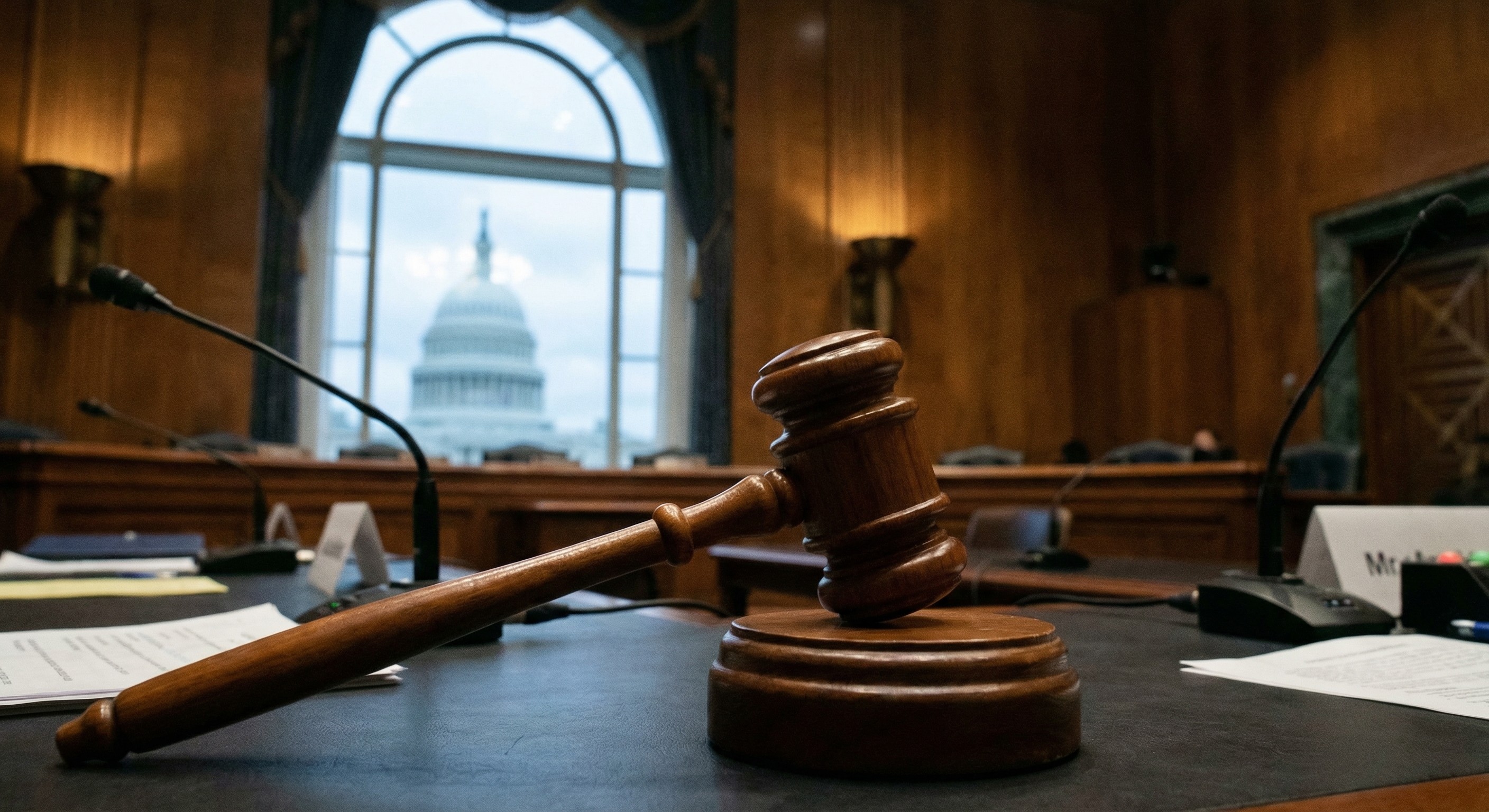
The recent decision by the U.S. Supreme Court to strike down tariffs imposed during the Trump administration has set off a complex chain of events, primarily affecting the U.S. Customs and Border Protection (CBP). The tariffs, originally enacted under the International Emergency Economic Powers Act (IEEPA), were deemed unlawful, leading to a directive for refunds to importers who had been impacted.
CBP's Digital Infrastructure Under Scrutiny
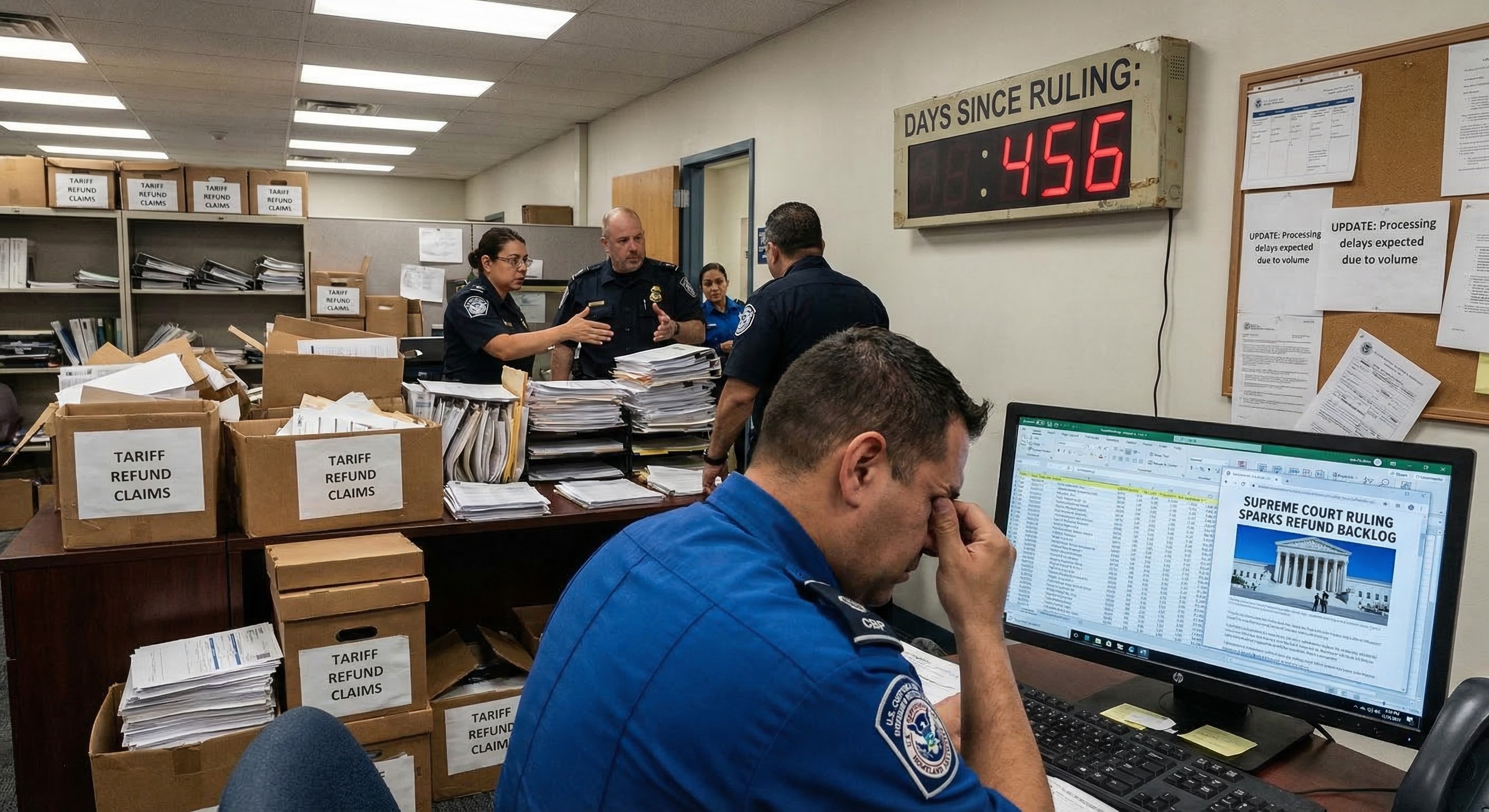
The CBP has admitted significant challenges in processing the refunds, citing limitations in its digital import processing system. According to Brandon Lord, the executive director at CBP, the existing system is not designed to handle the magnitude of the task, which involves billions of dollars in tariffs collected over several years.
This admission underscores a critical issue within government agencies where digital infrastructure may not be equipped to handle large-scale financial transactions, particularly those that were not anticipated during the system's design phase.
Implications for Importers and the Economy
The ruling and subsequent refund process hold substantial implications for U.S. importers and the broader economy. Companies that have paid these tariffs are now entitled to refunds, which could significantly affect their financial statements and business operations. For many, these refunds represent a substantial return of capital that could be reinvested into business growth or used to mitigate past financial pressures caused by the tariffs.
However, the delay in processing these refunds due to CBP's system limitations could impact cash flow and financial planning for these businesses. The uncertainty around the timeline for refunds may necessitate adjustments in financial strategies and forecasts.
A Broader Context of Trade Policy Challenges
The situation highlights ongoing challenges in U.S. trade policy, particularly regarding the use of tariffs as a tool for economic strategy. The Trump administration's approach to tariffs was controversial, with critics arguing that such measures often lead to retaliatory actions from trade partners and can harm domestic industries reliant on imported goods.
The Supreme Court's decision reinforces the need for careful consideration of international trade laws and the potential economic fallout of tariff impositions. As the U.S. navigates its trade relationships, the balance between protecting domestic industries and maintaining healthy international trade partnerships remains a delicate one.
Future Outlook and Policy Considerations
Moving forward, the CBP will need to address the limitations of its digital systems to prevent similar issues in the future. This may involve significant investments in technology and infrastructure to enhance the agency's capacity to manage large-scale financial transactions efficiently.
For policymakers, the situation serves as a reminder of the complexities involved in implementing and reversing trade policies. It underscores the importance of strategic planning and the need for robust systems that can adapt to policy changes without causing undue disruption to businesses and the economy.
As the CBP works to resolve these challenges, importers and other stakeholders will be closely monitoring developments, hoping for a swift resolution that allows them to reclaim funds and stabilize their financial operations.