Background and Context
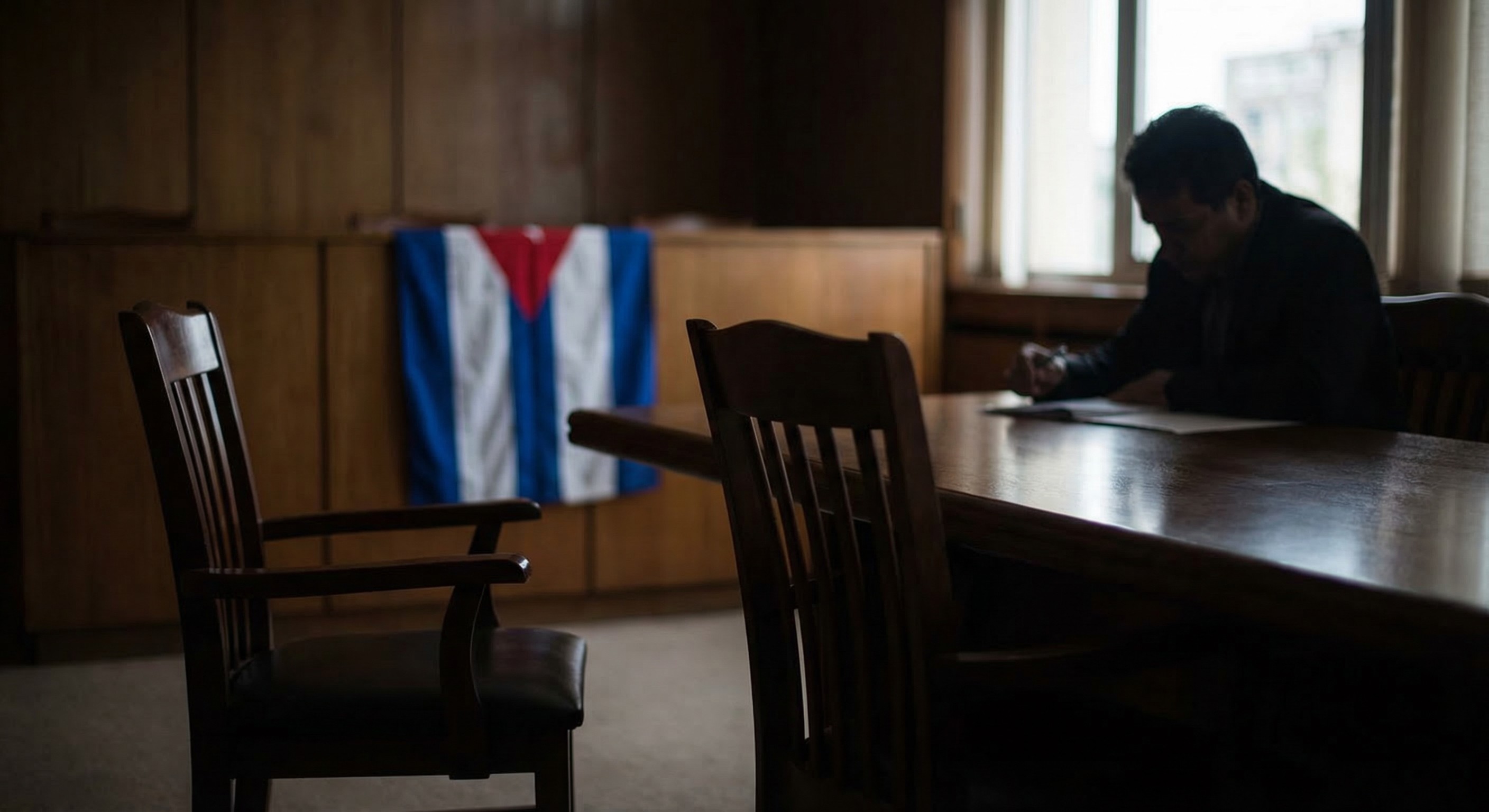
In a surprising development, U.S. Secretary of State Marco Rubio has engaged in covert discussions with Raul Guillermo Rodriguez Castro, the grandson of Cuba's de facto leader Raul Castro. These talks, bypassing official Cuban government channels, underscore the Trump administration's strategic focus on Cuba's leadership and future political direction.
Significance of the Talks
The discussions are significant as they indicate the U.S. administration's view of Raul Castro, despite his advanced age, as the key decision-maker on the island. This approach reflects a broader strategy to engage with influential figures within Cuba who might be open to rapprochement with the U.S. Raul Guillermo, known as "Raulito," is seen as a representative of a younger, business-minded Cuban generation disillusioned with revolutionary communism.
Current State of Cuba
Cuba is currently grappling with severe economic and humanitarian challenges. The nation's infrastructure is failing, with power outages, limited hospital services, and scarcity of food and fuel. The situation worsened following the U.S. operation that led to the abduction of Venezuelan leader Nicolas Maduro, a key ally and oil supplier to Cuba. This has intensified pressure on the Cuban regime, making it more susceptible to external influence.
Potential Implications
The secretive nature of these talks suggests a potential shift in U.S. policy towards Cuba, aiming for a more pragmatic approach rather than a wholesale regime change. This strategy might involve retaining some elements of the current Cuban leadership in a future political landscape, similar to the approach taken in Venezuela. However, such a move could provoke backlash from Cuban exiles in the U.S. who favor a complete overhaul of the Cuban government.
Future Outlook
While the Trump administration has not yet decided on a definitive course of action regarding Cuba, these discussions reflect an ongoing effort to explore various options. Rubio's role in these talks highlights his influence in shaping U.S. policy towards Cuba. As the U.S. continues to engage with influential figures like Raulito, the potential for a new chapter in U.S.-Cuba relations emerges, albeit fraught with complexities and historical animosities.