Introduction to the Landmark Designation
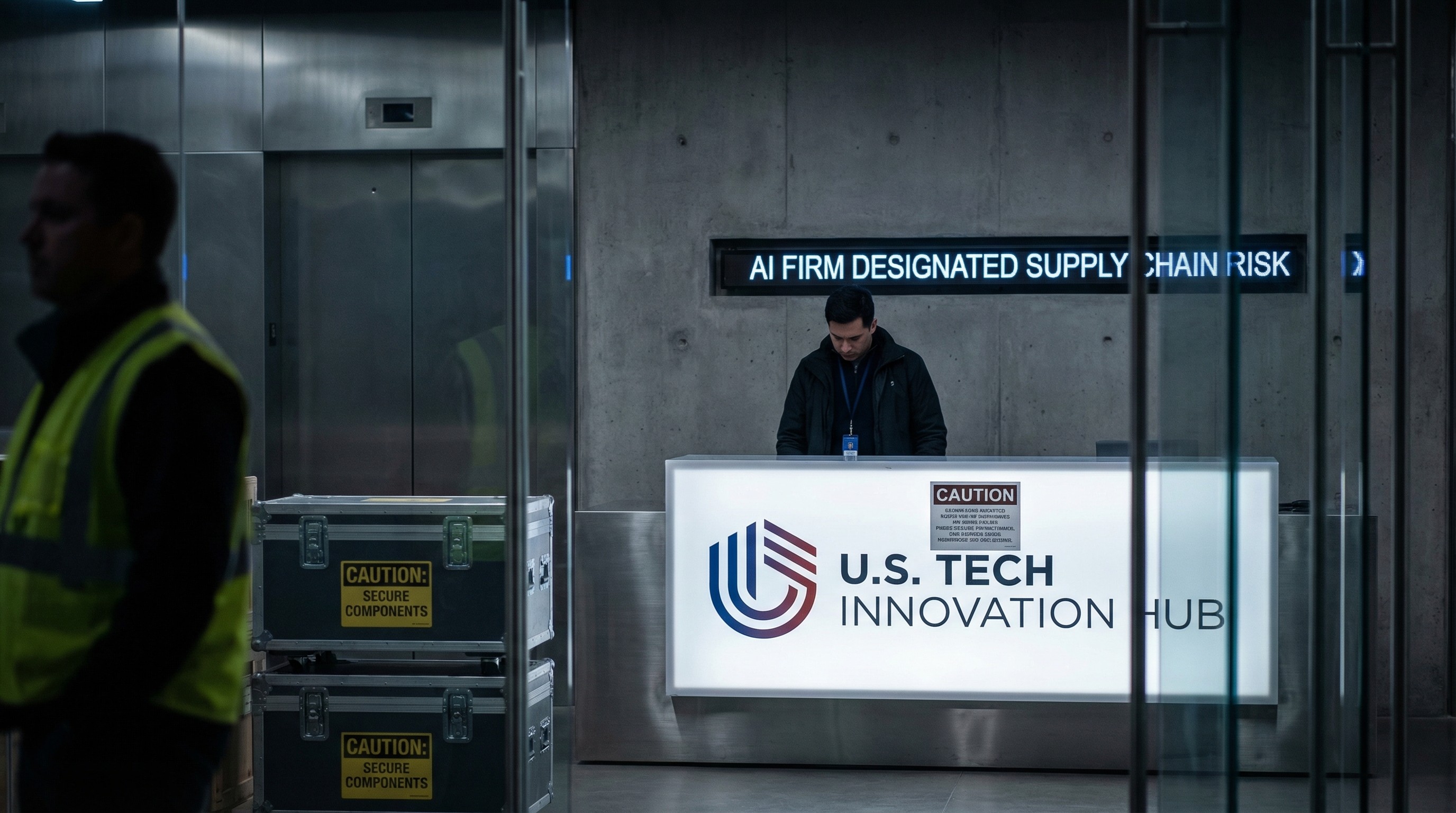
In a groundbreaking move, a United States-based artificial intelligence (AI) firm has been designated as a supply chain risk, marking the first instance of such a classification for a domestic company. This decision underscores the increasing scrutiny over AI technologies and their implications for national security and supply chain integrity.
Background on Supply Chain Risks in AI
As AI technologies become more integral to various sectors, concerns about their security, ethical implications, and potential vulnerabilities have grown. The designation of a US company as a supply chain risk highlights the shifting landscape where not only foreign entities but also domestic firms are subject to rigorous evaluations. This move aligns with broader efforts by governments worldwide to safeguard critical infrastructure and data from potential AI-related threats.
Implications for the AI Industry
The designation of a US-based AI firm as a supply chain risk could have significant implications for the industry. It raises questions about the criteria used to evaluate such risks and the potential for similar designations in the future. For companies involved in AI development, this could mean increased regulatory scrutiny and the need for more robust compliance measures to ensure their technologies do not pose risks to national security or supply chains.
Government and Industry Response
Government agencies are likely to intensify their focus on AI technologies, potentially leading to more stringent regulations and oversight. Industry leaders may need to collaborate more closely with regulatory bodies to address security concerns and develop standards that protect both innovation and public safety. This designation could also prompt discussions about the balance between fostering technological advancements and ensuring they do not compromise security.
Future Outlook for AI and Supply Chain Security
Looking ahead, the designation may set a precedent for how AI firms are evaluated and monitored in the context of supply chain security. As AI continues to evolve, companies may need to prioritize transparency and security in their operations to mitigate potential risks. This development could also influence international policies, as other nations observe and potentially adopt similar measures to protect their own supply chains from AI-related vulnerabilities.