US-IEA Tensions Over Net-Zero Emissions
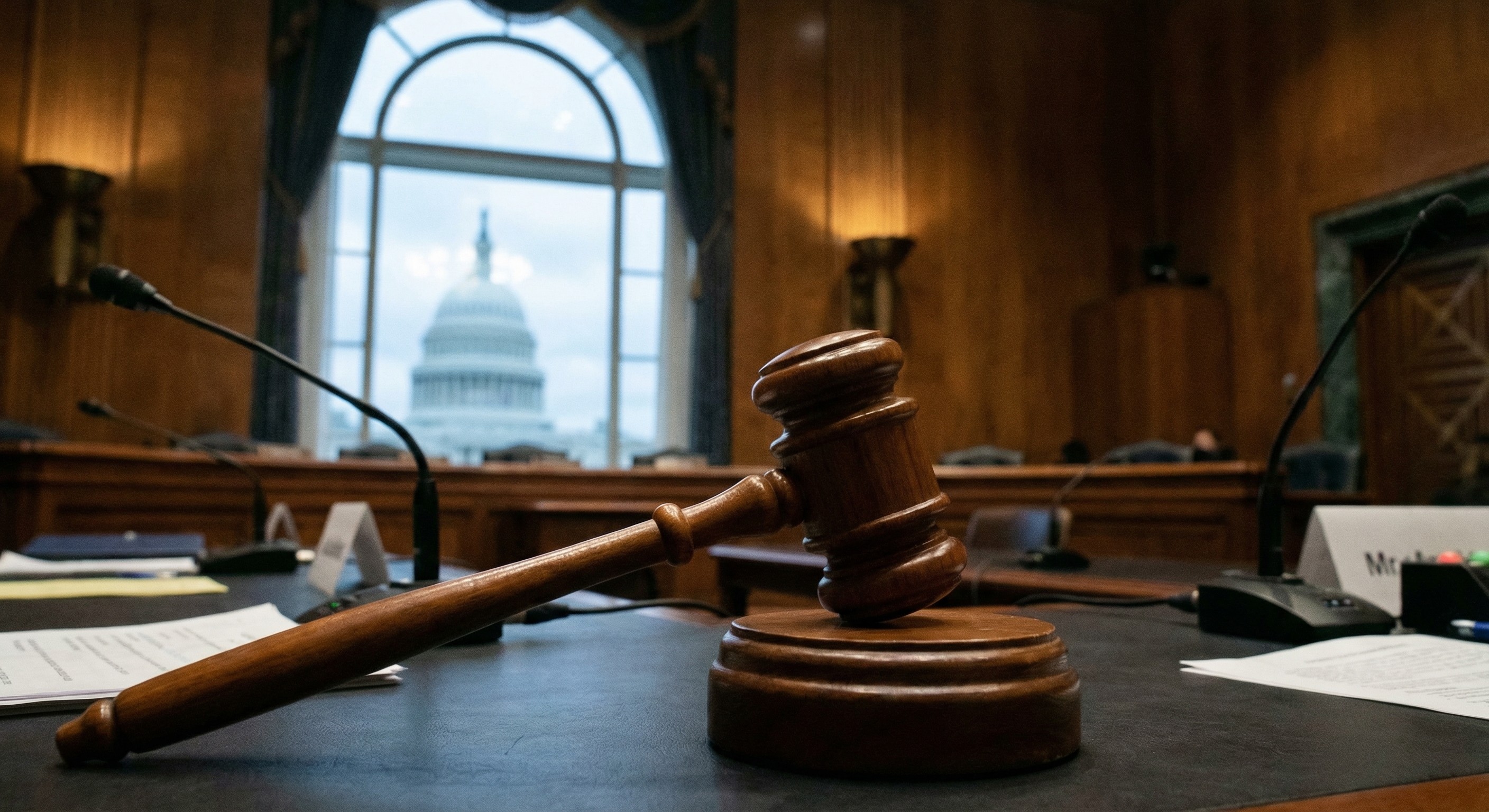
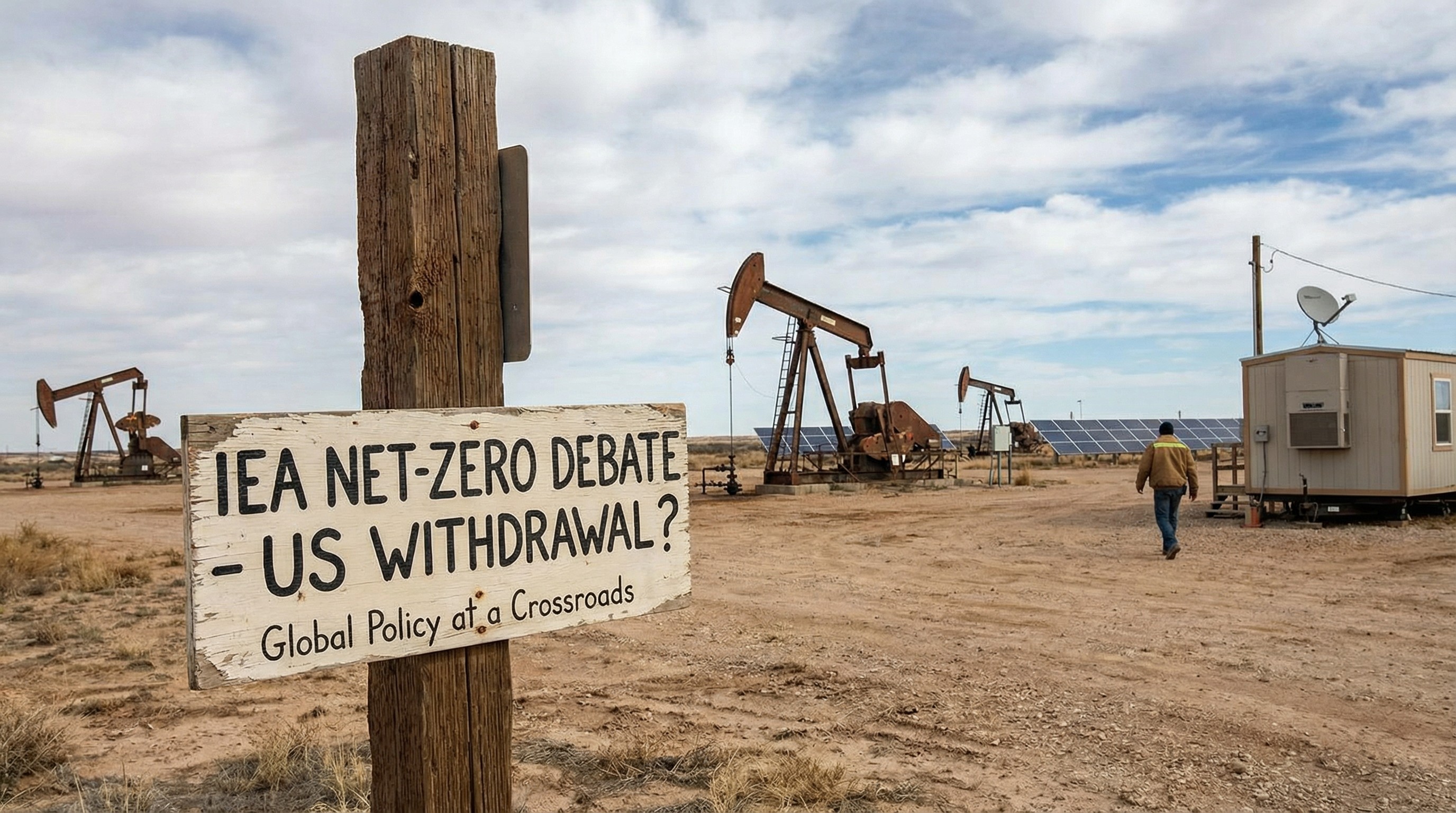
The United States has recently issued a stark warning to the International Energy Agency (IEA), threatening to withdraw its membership if the agency does not reconsider its ambitious net-zero emissions targets. This development highlights a significant rift in international energy policy, as the US, one of the world's largest energy consumers, questions the feasibility and economic implications of the IEA's climate goals.
Background on the IEA's Net-Zero Agenda
The IEA, an organization founded in 1974 in response to the oil crisis, has been instrumental in shaping global energy policies. In recent years, the agency has shifted its focus towards promoting sustainable energy practices, with net-zero emissions by 2050 being a central theme. The net-zero strategy involves a drastic reduction in fossil fuel use, increased reliance on renewable energy, and significant technological advancements to mitigate climate change.
US Concerns and Economic Implications
The US government has expressed concerns that the IEA's net-zero roadmap could undermine economic growth and energy security. Critics argue that the rapid transition away from fossil fuels could lead to energy shortages and increased costs, particularly impacting industries heavily reliant on traditional energy sources. The US stance reflects broader debates about balancing environmental goals with economic realities.
Global Energy Policy at a Crossroads
This disagreement between the US and the IEA comes at a critical juncture in global energy policy. As countries worldwide grapple with the impacts of climate change, there is an urgent need for coordinated international efforts to reduce carbon emissions. The US's potential exit from the IEA could weaken collaborative efforts and complicate the global push towards sustainable energy solutions.
Future Outlook and Potential Resolutions
As the situation unfolds, diplomatic efforts may be necessary to bridge the gap between the US and the IEA. A potential compromise could involve adjusting timelines or strategies to accommodate economic concerns while still striving for environmental progress. The outcome of this dispute will likely influence future international energy policies and the global commitment to combating climate change.