Background on Tariff Dispute
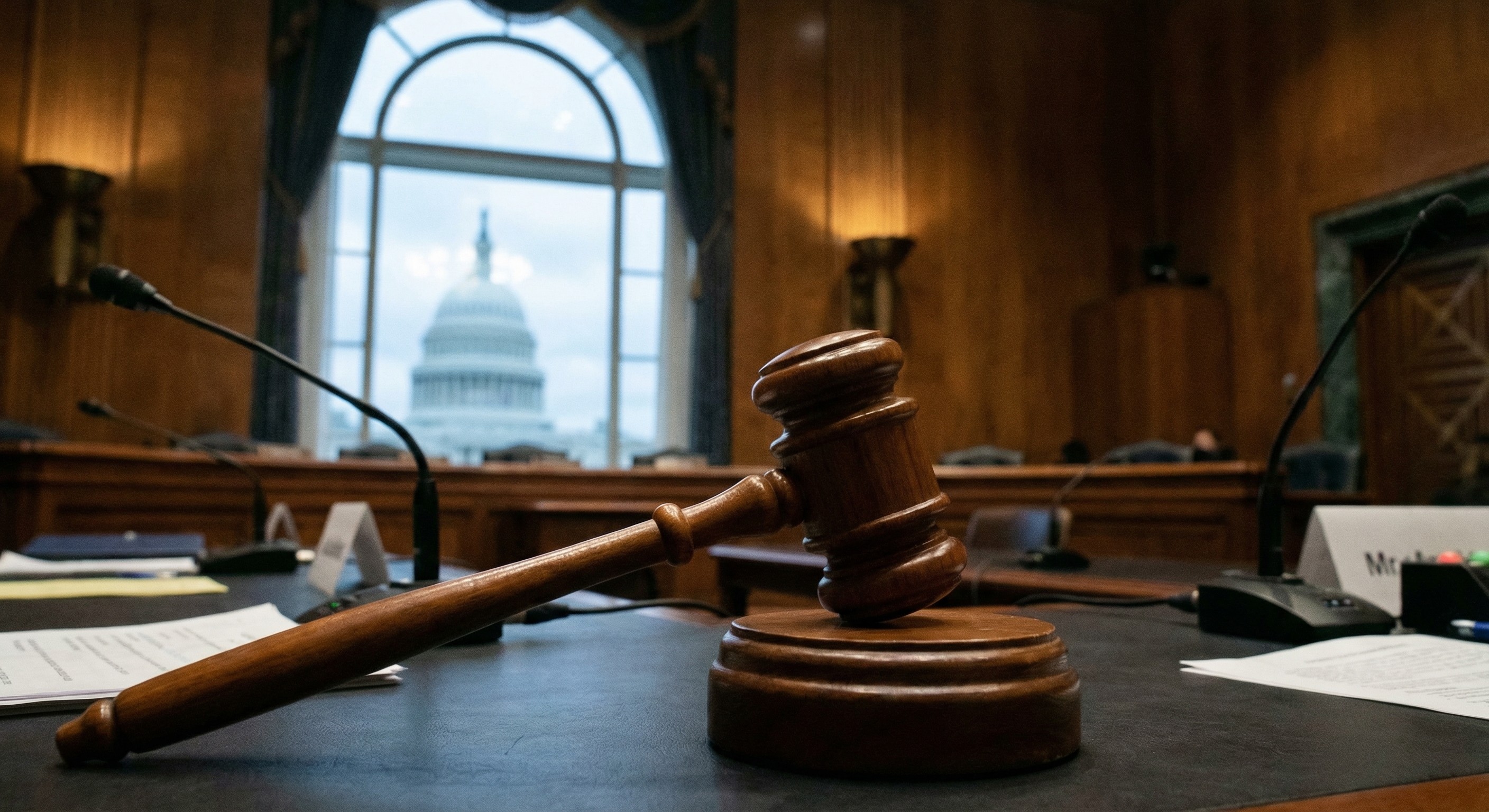
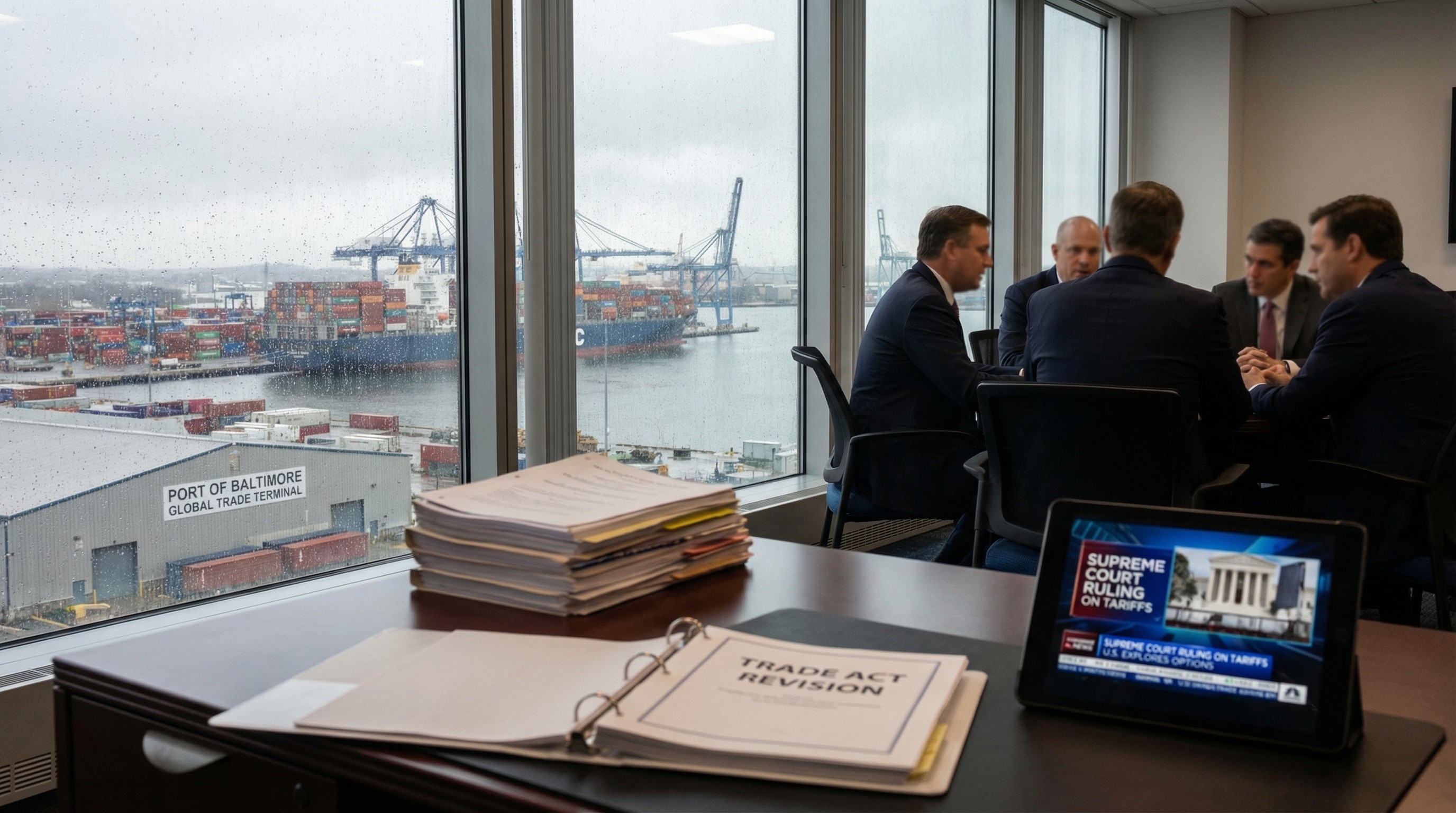
The recent Supreme Court decision that invalidated certain high tariffs has prompted U.S. administration officials to seek alternative methods to reimpose these duties. The tariffs, initially introduced as a measure to protect domestic industries, have been a point of contention in international trade relations.
Supreme Court Ruling and Its Implications
The Supreme Court ruling has significant implications for U.S. trade policy and its relationships with international partners. The decision to nullify the tariffs was based on legal challenges that questioned their consistency with established trade agreements and domestic laws. This ruling not only affects the immediate economic landscape but also sets a precedent for how similar cases might be handled in the future.
Administration's Response and Strategy
In response to the court's decision, administration officials have expressed confidence in their ability to reintroduce the tariffs through alternative legal frameworks. This involves exploring legislative and regulatory pathways that align with judicial expectations while still achieving the administration's economic objectives. The officials' determination reflects the importance placed on protecting domestic industries from international competition.
Impact on International Trade Relations
The attempt to reinstate these tariffs could have far-reaching effects on international trade dynamics. Countries affected by the duties might respond with reciprocal measures, potentially leading to a trade war. The administration's actions will be closely watched by global economic players, as they could influence future trade negotiations and agreements.
Outlook and Future Developments
As the administration navigates the complexities of reinstating tariffs, the outcomes will be crucial for both domestic industries and international trade partners. The situation underscores the delicate balance between protecting national economic interests and maintaining healthy international trade relations. Observers will be keenly watching for any new developments or shifts in policy that could impact global markets.