Prolonged Conflict and Its Global Impact
The conflict in Ukraine, which began in 2014, has now entered its fifth year, continuing to pose significant challenges not only for the region but also for international stability. The prolonged nature of this conflict has drawn attention from global powers and international organizations, all seeking a resolution to mitigate further geopolitical tensions.
Diplomatic Efforts at the Forefront
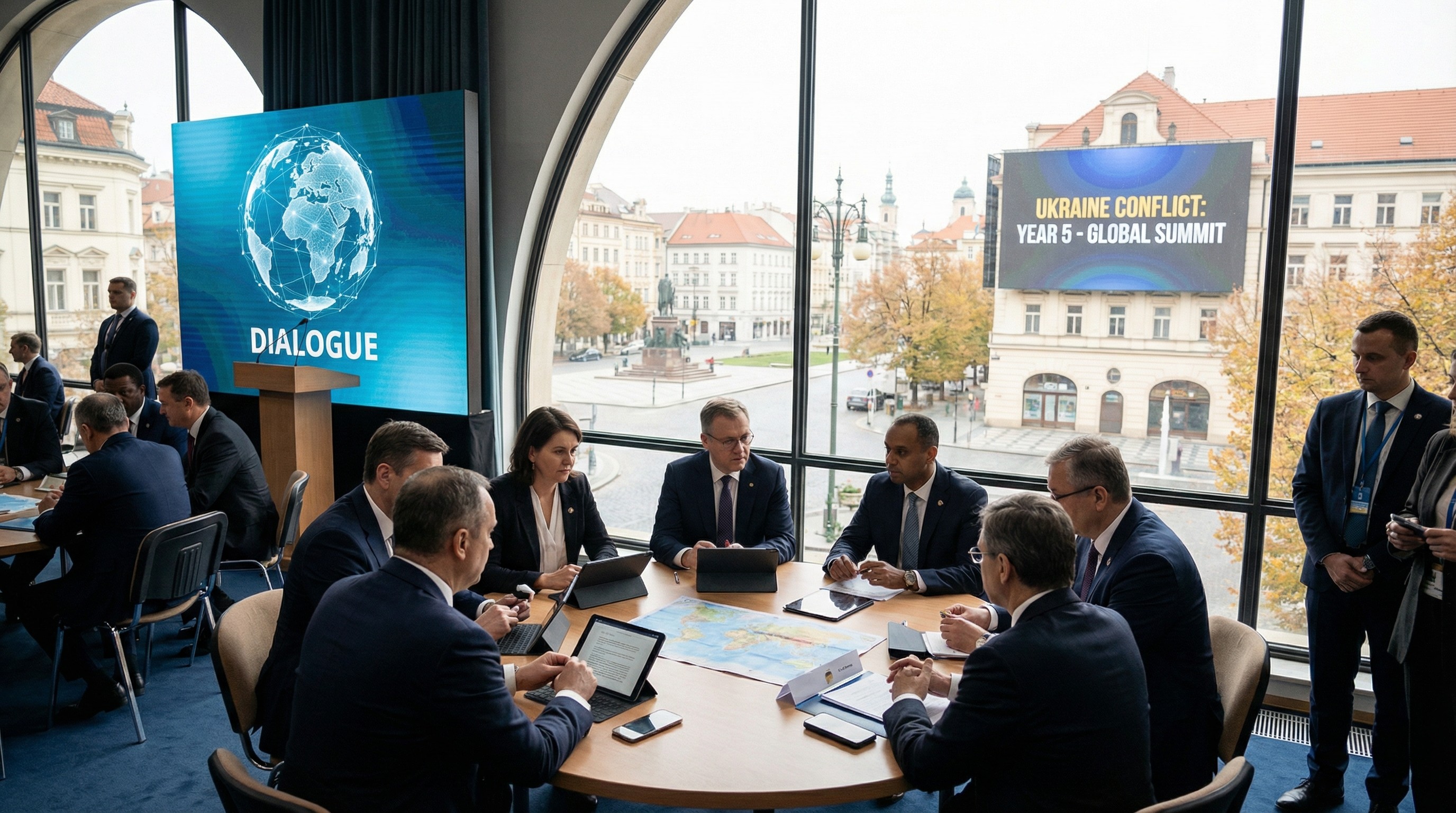
Amidst ongoing hostilities, diplomatic efforts have intensified. Key figures, such as Ukraine's ambassador to the United Nations, Sergiy Kyslytsya, are actively engaged in negotiations to end the conflict. These diplomatic endeavors aim to bring about a peaceful resolution through dialogue and international cooperation, involving stakeholders from both regional and global arenas.
Challenges in Achieving Peace
Despite these efforts, achieving a lasting peace remains fraught with challenges. The conflict's roots are deeply embedded in historical, political, and cultural complexities, making negotiations arduous. Furthermore, external influences from major powers continue to shape the dynamics of the conflict, complicating efforts to reach a consensus.
Humanitarian Concerns and Economic Impact
The ongoing conflict has resulted in severe humanitarian crises, with thousands displaced and in need of aid. The economic repercussions are equally profound, affecting not only Ukraine but also its neighboring countries. The disruption of trade and economic activities has had a ripple effect, impacting regional economies and contributing to global economic uncertainties.
Outlook and Future Prospects
As the conflict enters its fifth year, the international community remains hopeful for a resolution. Continued diplomatic engagement, coupled with support for humanitarian efforts, is crucial. The situation in Ukraine serves as a reminder of the complexities of modern conflicts and the importance of sustained international cooperation in seeking peaceful solutions.