
UK's Ambitious Renewable Energy Goals
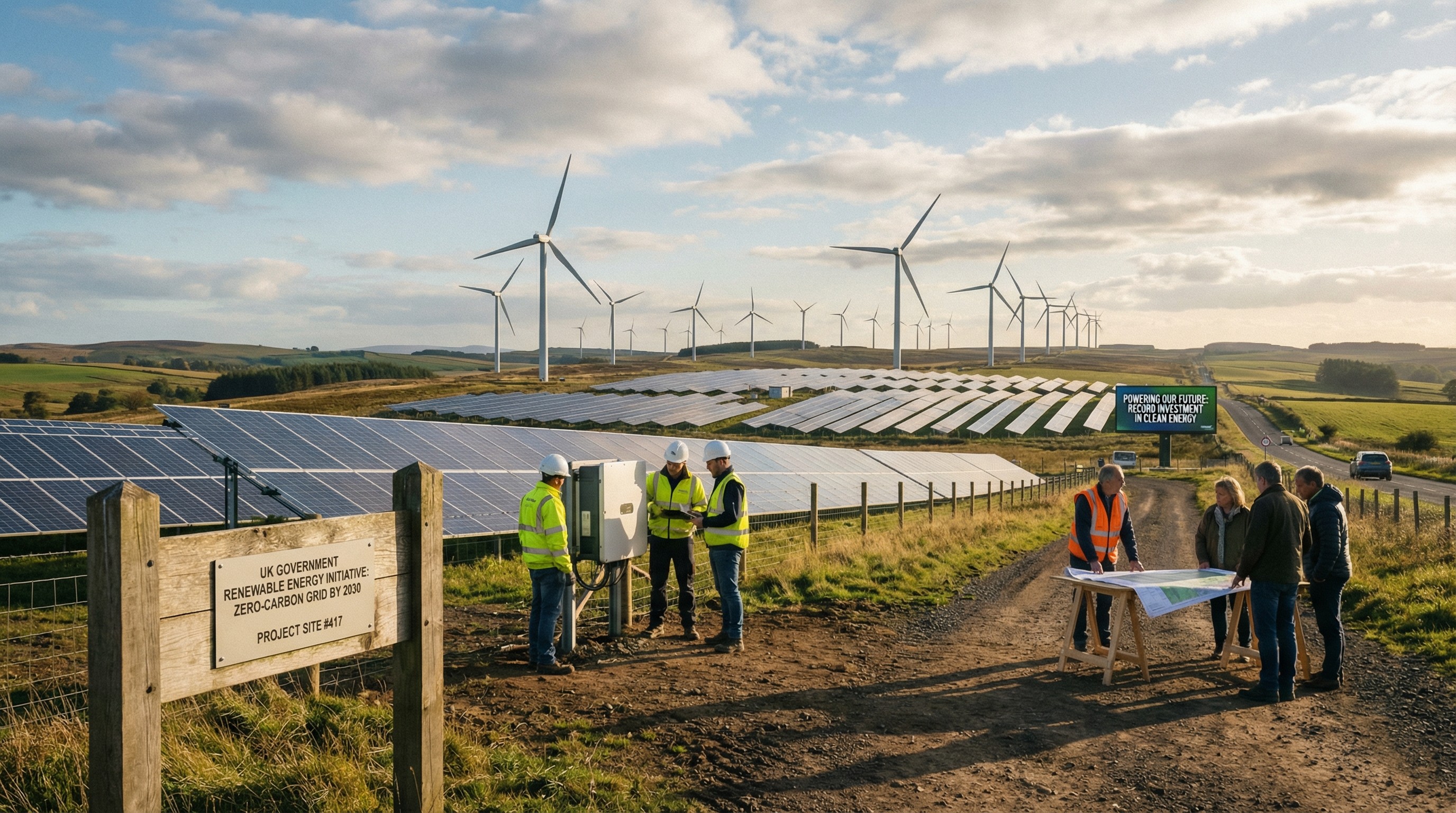
In a significant push towards sustainable energy, the United Kingdom has announced the awarding of contracts for a record number of renewable energy projects. This initiative is part of the government's broader strategy to establish a virtually zero-carbon power grid by 2030. The move underscores the UK's commitment to addressing climate change and reducing its carbon footprint.
Largest Onshore Windfarm in a Decade
Among the projects receiving government subsidies is what is set to be the largest onshore windfarm in England in the past decade. Located near St Austell in Cornwall, the Imerys project stands out as a key component of the UK's renewable energy expansion. This project, along with numerous others, is expected to significantly enhance the country's wind energy capacity.
Record Number of Solar Projects
In addition to wind energy, the UK government is also heavily investing in solar power. Contracts have been awarded to a record number of solar projects, marking a pivotal moment in the nation's renewable energy journey. This surge in solar projects is designed to complement the wind energy initiatives, collectively contributing to a diversified and resilient energy portfolio.
Implications for the Energy Sector
The awarding of these contracts is a clear signal of the UK's intention to transition away from fossil fuels. The increased focus on renewable energy sources not only aims to meet environmental targets but also to create a more secure and sustainable energy system. This shift is expected to stimulate economic growth, create jobs in the renewable energy sector, and position the UK as a leader in green technology.
Outlook and Challenges Ahead
While the UK's renewable energy ambitions are commendable, the path to achieving a zero-carbon grid by 2030 is fraught with challenges. Infrastructure development, technological advancements, and regulatory support will be critical to the success of these projects. Additionally, public and private sector collaboration will be essential to overcome potential obstacles and ensure the timely delivery of these initiatives.