Background of the Current Immigration Debate
The United Kingdom's immigration policies have long been a subject of intense debate, particularly concerning the treatment of refugees and asylum seekers. The issue has recently gained renewed attention following comments from a veteran Labour peer, Lord Alf Dubs, who has criticized the current government's approach to refugee children.
Criticism from a Veteran Labour Peer
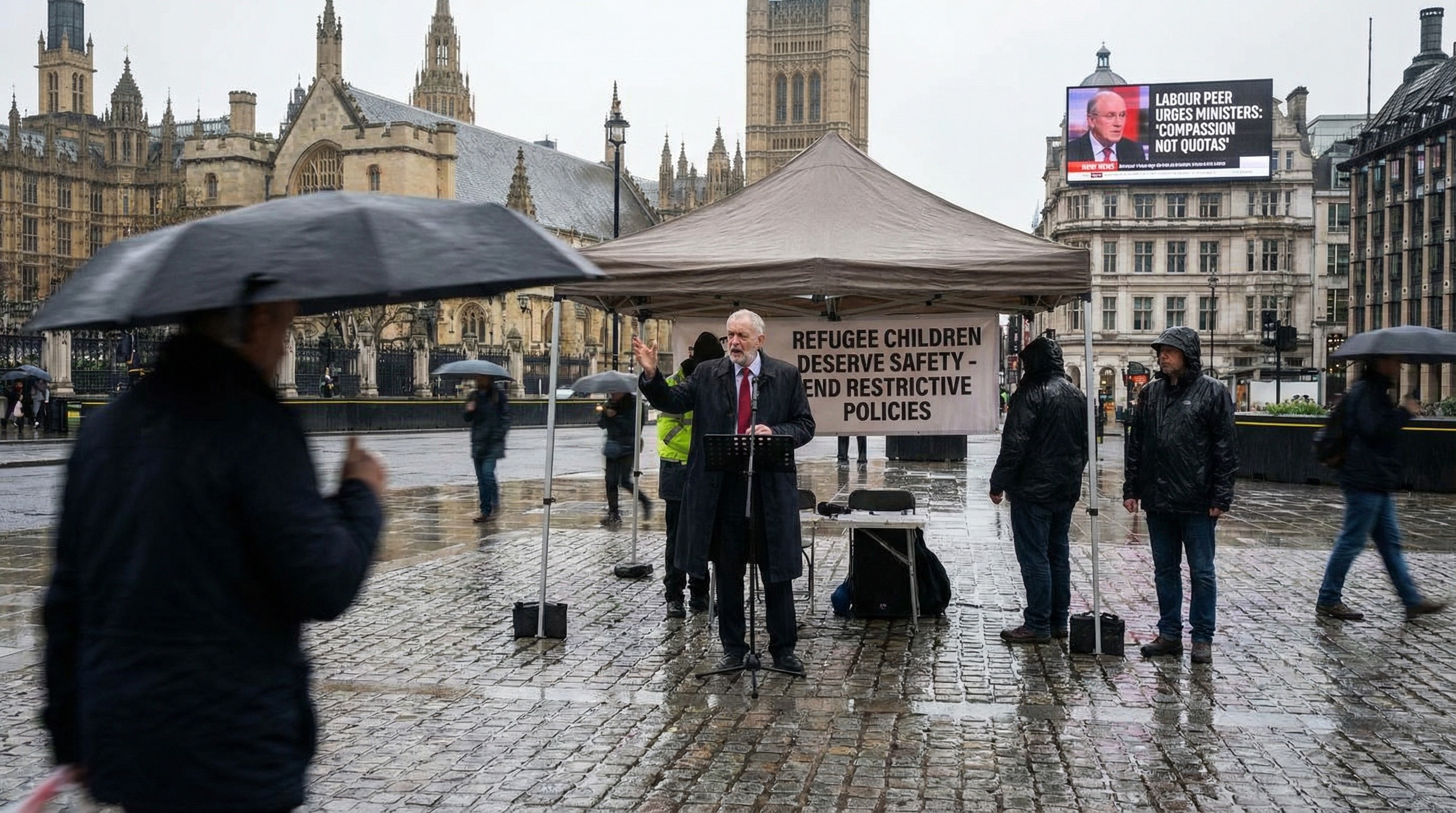
Lord Alf Dubs, who himself fled Nazi-occupied Czechoslovakia as a child in 1939, has expressed concern over the UK's restrictive immigration policies. He specifically pointed to the actions of the current Home Secretary, Shabana Mahmood, whose parents migrated from Pakistan. Dubs accuses Mahmood and other ministers of "pulling up the drawbridge" by preventing unaccompanied refugee children from joining family members already residing in the UK.
Political Dynamics and Influences
Dubs suggests that the government's stance may be influenced by the political pressure exerted by parties like Nigel Farage's Reform UK. This has led to accusations of ministers "kowtowing" to hardline immigration policies, which critics argue do not reflect the UK's humanitarian obligations.
Implications for Refugee Children
The implications of these policies are significant, particularly for unaccompanied minors who are left in vulnerable situations abroad. Critics argue that the current approach neglects the UK's moral responsibility to provide refuge to those in need, especially children who are separated from their families.
Outlook and Potential Policy Shifts
The debate over immigration policy is likely to continue, with calls for more compassionate approaches gaining traction among certain political factions and advocacy groups. The government's response to these criticisms will be closely monitored, particularly as the UK navigates its international standing and domestic political pressures.