UK's Strategic Position Amid US-Iran Tensions
As tensions between the United States and Iran escalated earlier this year, the United Kingdom found itself in a precarious position. The situation became particularly critical when U.S. President Donald Trump signaled potential military actions against Iran, prompting concerns about the safety of allied forces and nationals in the region. The UK's initial hesitation to align with U.S. military strategies could have significant implications for its security and diplomatic relations in the Gulf.
Background of Rising Tensions
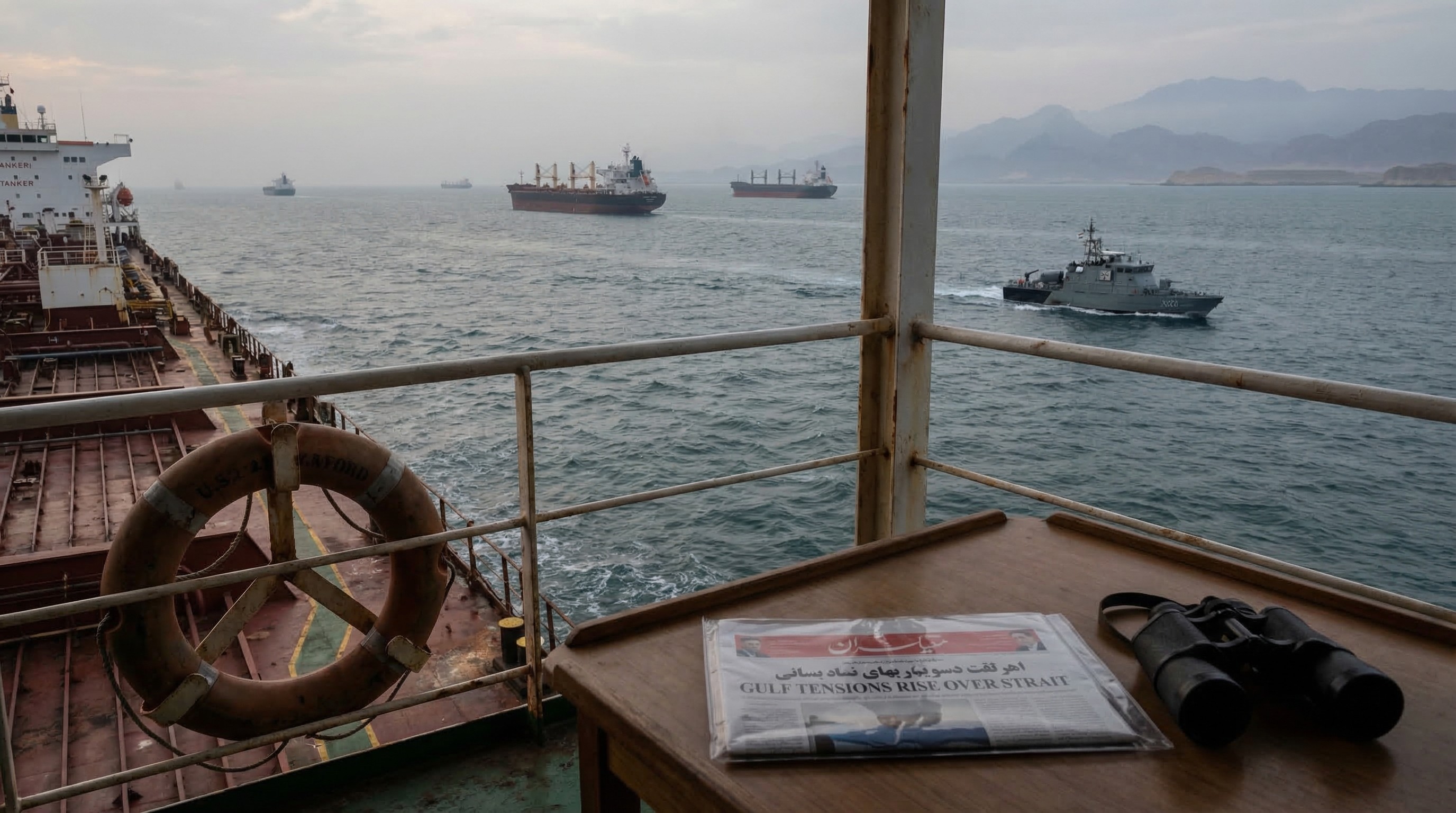
The tensions between the U.S. and Iran have been building over several years, but they reached a new peak when the U.S. deployed the USS Abraham Lincoln carrier strike group to the Arabian Sea in late January. This move was perceived as a direct message to Iran, signaling the seriousness of the U.S. stance. The deployment was soon reinforced by a second carrier strike group in mid-February, further escalating the situation.
In response to these developments, the UK, along with other allies, recognized the potential for Iranian retaliation, particularly targeting bases where British soldiers were stationed. Despite this awareness, the UK's military deployments remained constrained during the critical early stages of the U.S. buildup.
Implications for British Nationals and Allies
The UK's initial reluctance to fully engage in U.S. military strategies against Iran could have far-reaching consequences. One of the primary concerns is the safety of British nationals in the Gulf region. With a significant number of citizens living and working in countries like the United Arab Emirates and Saudi Arabia, any escalation could pose direct risks to their safety.
Moreover, the UK's hesitation may also affect its relationships with key allies in the region. Countries like Saudi Arabia and the UAE, which have close ties with both the UK and the U.S., may view the UK's cautious approach as a lack of commitment to collective security efforts. This perception could strain diplomatic relations and impact future cooperation on security matters.
Strategic Considerations for the UK
The UK's approach to the U.S.-Iran tensions highlights the complex nature of international diplomacy and military strategy. On one hand, aligning closely with the U.S. could ensure stronger bilateral ties and greater influence in strategic decisions. On the other hand, a cautious approach allows the UK to maintain a balanced stance, potentially facilitating diplomatic resolutions and reducing the risk of direct conflict.
However, the decision to limit initial military deployments may also be influenced by domestic considerations, including public opinion and resource constraints. The UK government must weigh these factors carefully to ensure that its actions align with both national interests and international obligations.
Outlook and Future Developments
As the situation in the Gulf continues to evolve, the UK will need to reassess its strategic position and readiness to respond to potential threats. This reassessment may involve increasing military presence in the region or enhancing diplomatic efforts to de-escalate tensions.
The UK's ability to navigate these challenges will be critical in maintaining its influence and ensuring the safety of its nationals and allies. As global dynamics shift, the UK must remain vigilant and adaptable, balancing its commitments to international security with the need for strategic autonomy.