Government Faces Backlash Over Student Loan Policy
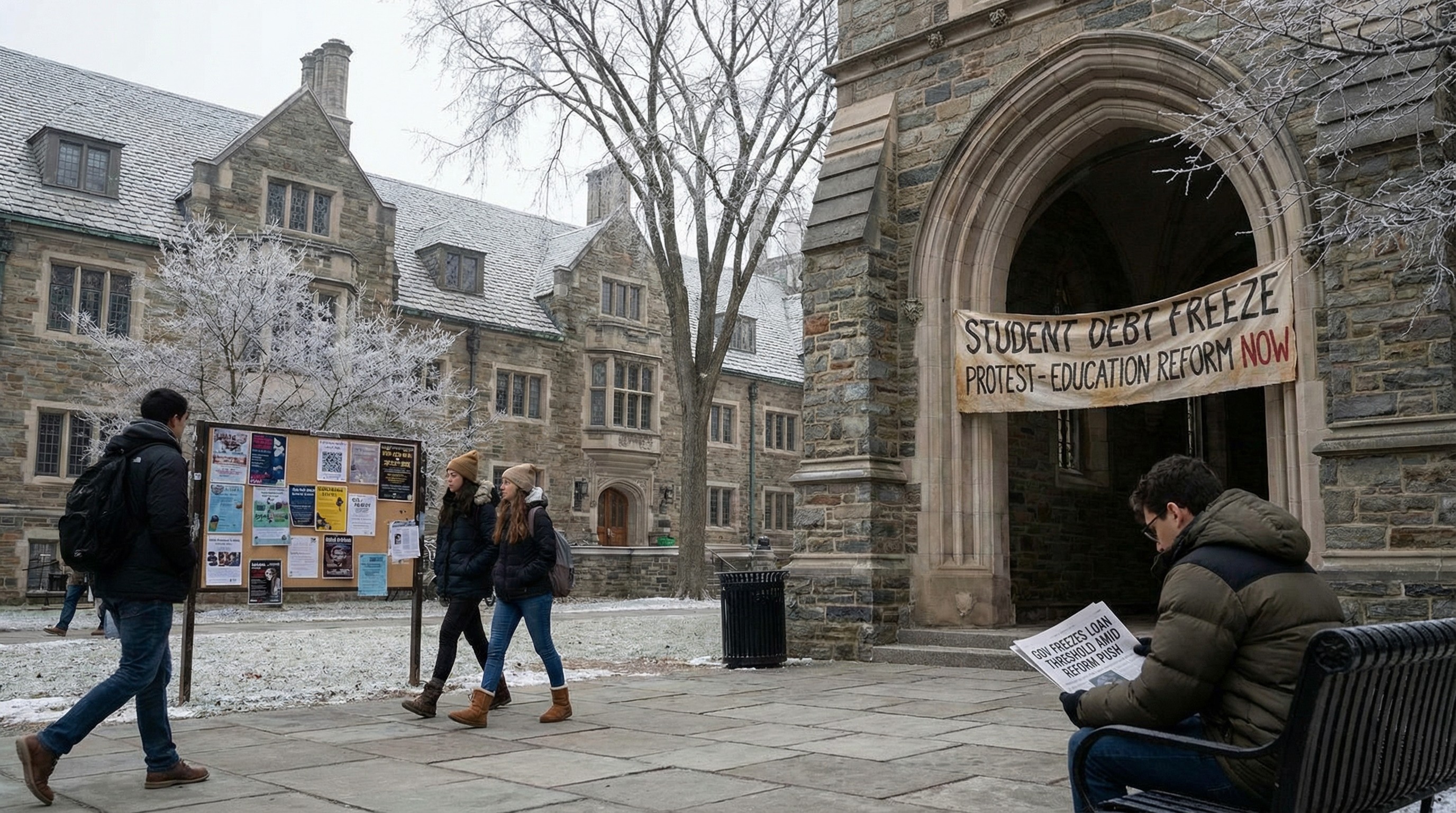
The UK government's recent decision to freeze the salary threshold for "plan 2" student loan repayments has drawn significant criticism. This policy, announced by Chancellor Rachel Reeves, means that the repayment threshold will remain at £29,385 for the next three years. As wages increase, graduates will find themselves repaying a larger portion of their loans, intensifying financial pressure on young professionals.
Implications of the Threshold Freeze
The decision to maintain the current salary threshold has far-reaching implications for borrowers. As inflation and living costs continue to rise, the financial burden on graduates is likely to increase, potentially impacting their economic stability and spending power. Critics argue that this policy disproportionately affects those on lower incomes, as they will contribute more of their earnings toward loan repayments, limiting their ability to save or invest in other areas.
Education System Under Scrutiny
In addition to student loan policies, the UK government is also addressing broader concerns within the education sector. Education Secretary Gillian Keegan has acknowledged the challenges faced by students, particularly those requiring special educational needs and disabilities (Send) support. The current system has been criticized for being overly adversarial, with parents often struggling to secure necessary educational, health, and care plans for their children.
Reforms and Commitments to Improve Education
The government has pledged to streamline processes and provide quicker support for children with Send. Keegan emphasized the need for a more integrated approach, ensuring that support for these students is considered an essential part of the education system. The forthcoming policy documents are expected to outline strategies aimed at improving outcomes for all students, reflecting the government's commitment to education reform.
Outlook and Future Developments
As the UK government navigates these educational and financial challenges, the impact of these policies will be closely monitored. The focus remains on balancing fiscal responsibility with the need to support students and graduates effectively. Stakeholders, including educational institutions, parents, and advocacy groups, will be watching closely to see how these reforms unfold and whether they lead to meaningful improvements in the education sector.