Background of the Legal Challenge
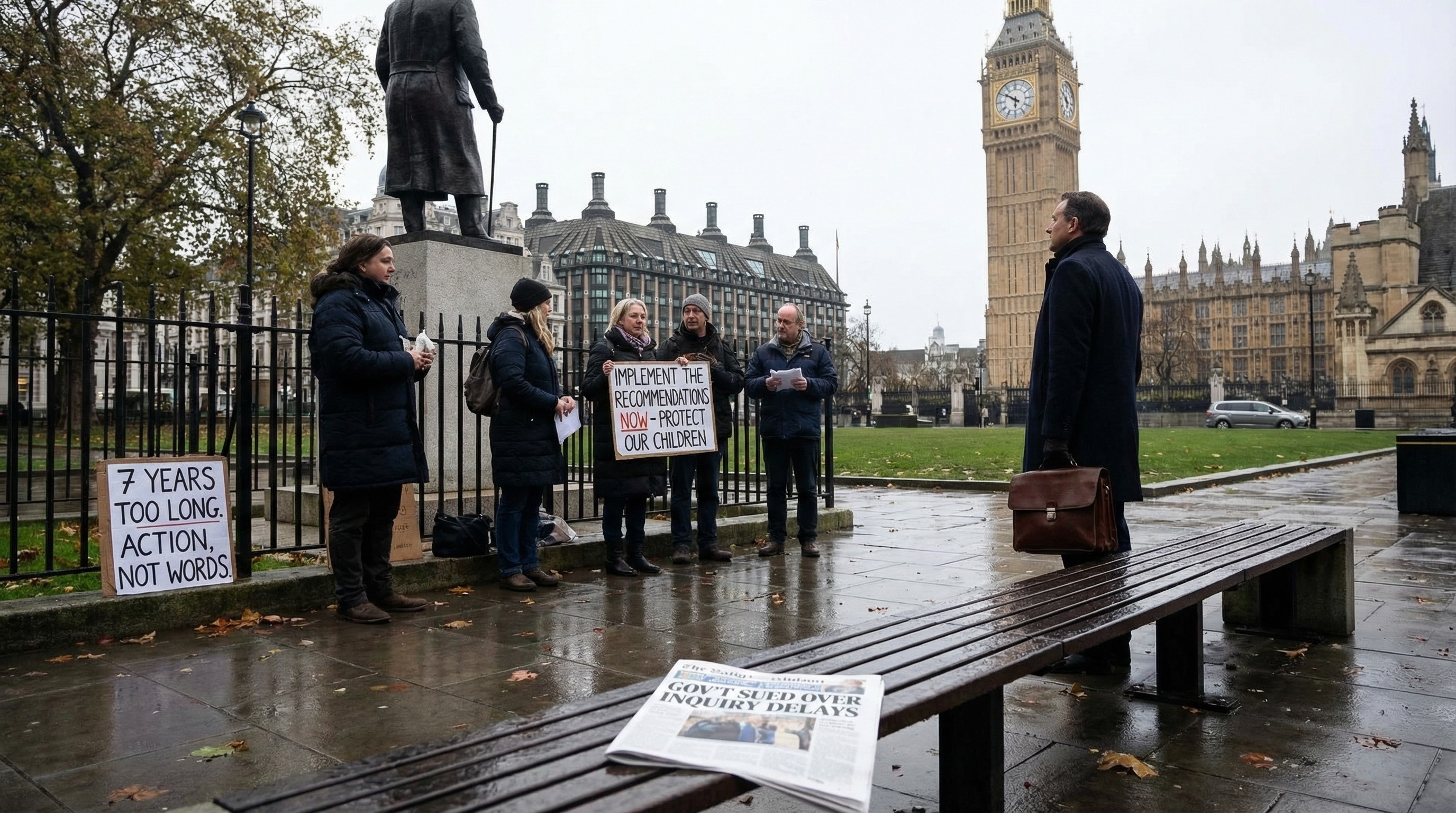
The UK government is facing legal action from the Maggie Oliver Foundation over its alleged failure to implement recommendations from a seven-year statutory inquiry into child abuse. The foundation, which advocates for survivors of child sexual abuse, claims that the government's approach to these recommendations has been inconsistent and arbitrary, effectively allowing abuse to continue. This legal action was recently allowed to proceed by a judge at the high court in London.
Details of the Inquiry
The statutory inquiry, which spanned several years, was established to uncover systemic failings in the protection of children from abuse. It aimed to provide a comprehensive set of recommendations to prevent future incidents and improve safeguarding measures. The inquiry's findings highlighted significant gaps in the existing systems and proposed changes to ensure better protection for vulnerable children. However, campaigners argue that these recommendations have not been adequately addressed or implemented by the government.
Allegations Against the Government
The Maggie Oliver Foundation, named after the former detective who exposed child sexual exploitation in Rochdale, is leading the charge against the Home Office. They allege that the government's failure to adopt the inquiry's recommendations has left children at continued risk. The foundation's legal action seeks to hold the government accountable for what they describe as a neglect of duty in safeguarding the welfare of children.
Implications of the Legal Action
The legal proceedings could have significant implications for the government's handling of child protection policies. If the court finds in favor of the Maggie Oliver Foundation, it may compel the government to take immediate action to implement the inquiry's recommendations. This could lead to a reevaluation of current policies and potentially result in systemic changes aimed at better protecting children from abuse.
Outlook and Potential Outcomes
As the legal action progresses, it will likely draw increased public attention to the issue of child protection and the government's role in safeguarding vulnerable populations. The case could set a precedent for how statutory inquiry recommendations are treated and implemented in the future. For campaigners and survivors, a favorable outcome could represent a significant step forward in ensuring that lessons from past failures are learned and acted upon to prevent further abuse.