
Rising Tensions in the Gulf Region
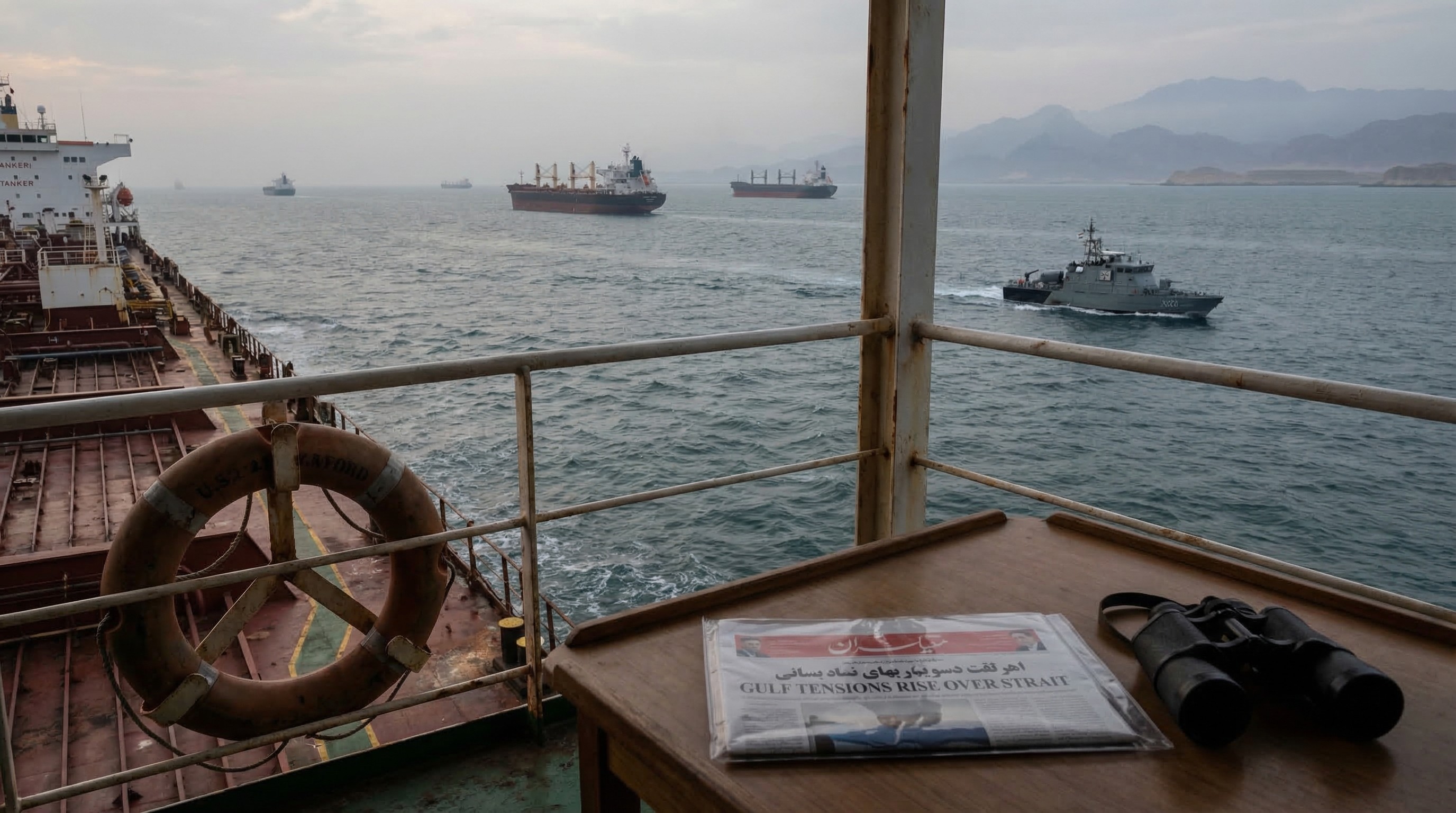
The Gulf region has once again become a focal point of geopolitical tensions as Iranian missiles targeted sites linked to the United States. The incident underscores the ongoing volatility in the area, which has been a hotspot for military and diplomatic confrontations. This escalation is part of a broader pattern of hostilities between Iran and the US, with regional allies often caught in the crossfire.
UAE's Missile Defense Activation
In a significant development, the United Arab Emirates activated its missile defense system in response to the perceived threat. This move highlights the UAE's strategic importance and its readiness to protect its sovereignty and interests in the face of regional instability. The activation of the missile shield is not only a defensive measure but also a signal of the UAE's commitment to maintaining security within its borders.
Implications for Regional Security
The activation of the UAE's missile defense system raises critical questions about the security architecture in the Gulf. It emphasizes the need for robust defense mechanisms amid rising threats from state and non-state actors. The incident also draws attention to the complex web of alliances and rivalries in the region, where countries are navigating a delicate balance between cooperation and conflict.
International Reactions and Diplomatic Efforts
International reactions to the missile incident have been swift, with calls for de-escalation and dialogue. The United States and its allies have reiterated their support for the UAE and other Gulf states, emphasizing the importance of collective security. Diplomatic efforts are likely to intensify as stakeholders seek to prevent further escalation and explore avenues for peaceful resolution.
Future Outlook and Strategic Considerations
Looking ahead, the situation in the Gulf remains precarious. The activation of missile defense systems by regional powers like the UAE is likely to continue as a deterrent against potential threats. However, the underlying tensions that drive these security measures persist, necessitating ongoing diplomatic engagement and strategic planning. The international community will be watching closely to see how these dynamics evolve and what implications they hold for global security.