/
Trump's TikTok Dilemma: A Strategic Shift
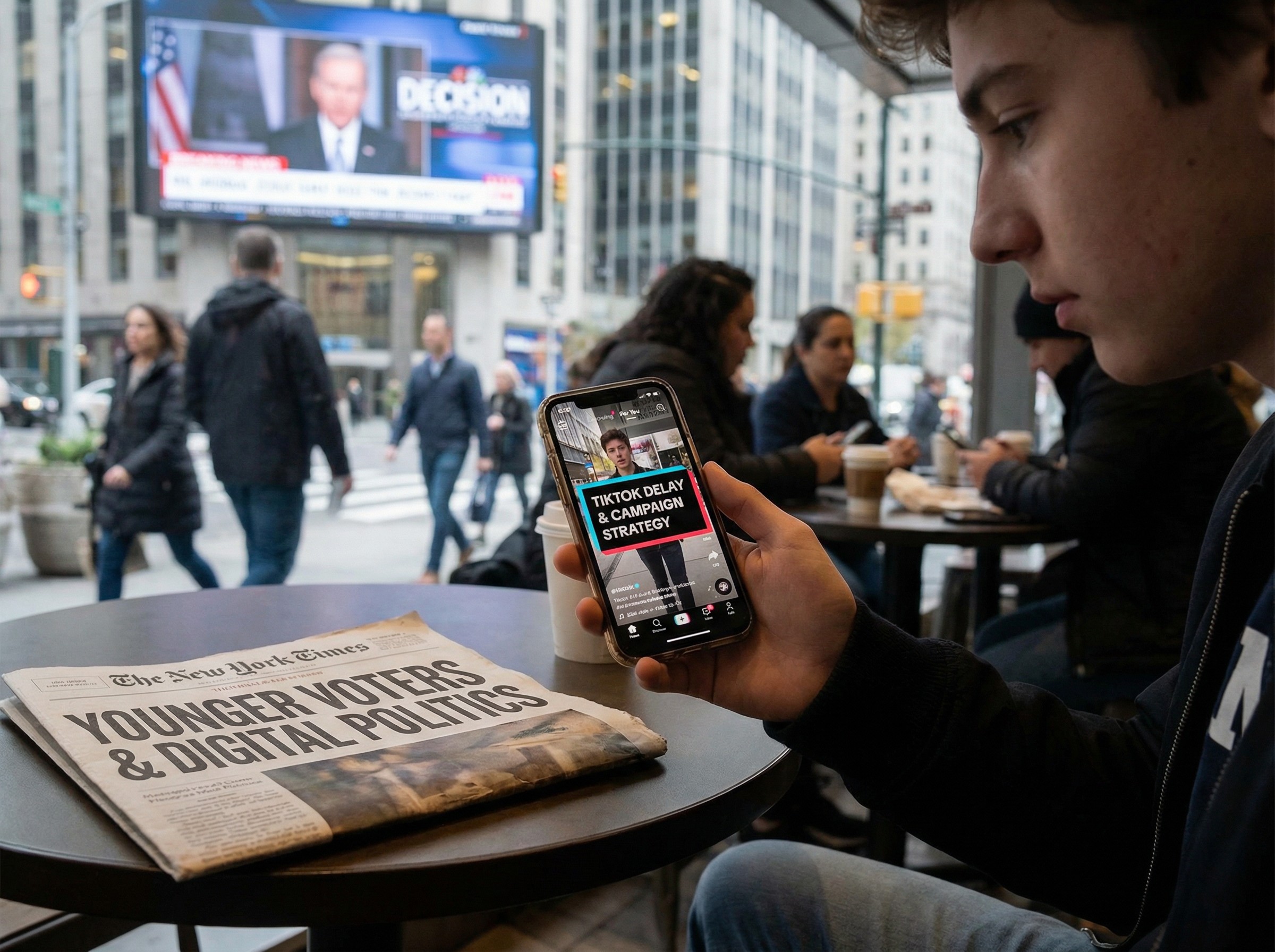
In a surprising turn of events, President Donald Trump, during his second term, reversed his stance on the controversial TikTok ban. This decision marked a significant shift from his earlier position during his first term, where he advocated for the app's prohibition due to national security concerns. The change was orchestrated by a network of Trump insiders who recognized the app's potential influence on younger voters and its capacity to bypass traditional media channels.
The Power of Social Media in Political Campaigns
Social media's role in political campaigns has been increasingly prominent, and Trump's team leveraged this to their advantage. The campaign's strategic use of TikTok, initiated in June 2024, was a calculated move to engage with younger demographics. The platform's massive reach and popularity among young voters made it a valuable tool for political engagement. The campaign's TikTok account quickly gained traction, surpassing President Biden's, showcasing the app's potential as a powerful political tool.
Behind the Scenes: The Influencers and Strategists
Key figures such as Charlie Kirk and Tony Sayegh played pivotal roles in influencing Trump's decision. Kirk, a trusted Trump confidant, and Sayegh, a former Treasury and White House official, orchestrated a plan to sway Trump's opinion. Sayegh's strategic insights, combined with Kirk's influence within the MAGA community, helped create a narrative that positioned TikTok as a crucial platform for reaching young voters. This narrative was reinforced by other Trump allies, including Tucker Carlson and Kellyanne Conway, who provided political cover for Trump's decision.
Overcoming Opposition: A Complex Deal
The decision to delay the TikTok ban was not without controversy. It faced significant opposition from China hawks within Trump's political circle and on Capitol Hill, who raised national security concerns about the app's Chinese ownership. To address these concerns, a complex deal was engineered, resulting in the sale of TikTok's U.S. operations to a joint venture controlled by American investors. This move was crucial in appeasing critics and ensuring the app's continued operation in the U.S.
The Future of Social Media in Politics
As the 2028 presidential election approaches, both Democrats and Republicans are recognizing the importance of platforms like TikTok in reaching and engaging with voters. The so-called "TikTok primary" is expected to play a significant role in shaping campaign strategies, as politicians aim to capture the attention of younger, tech-savvy demographics. The events surrounding Trump's decision highlight the evolving landscape of political communication and the growing influence of social media on electoral outcomes.