
Economic Growth and Inflation Control
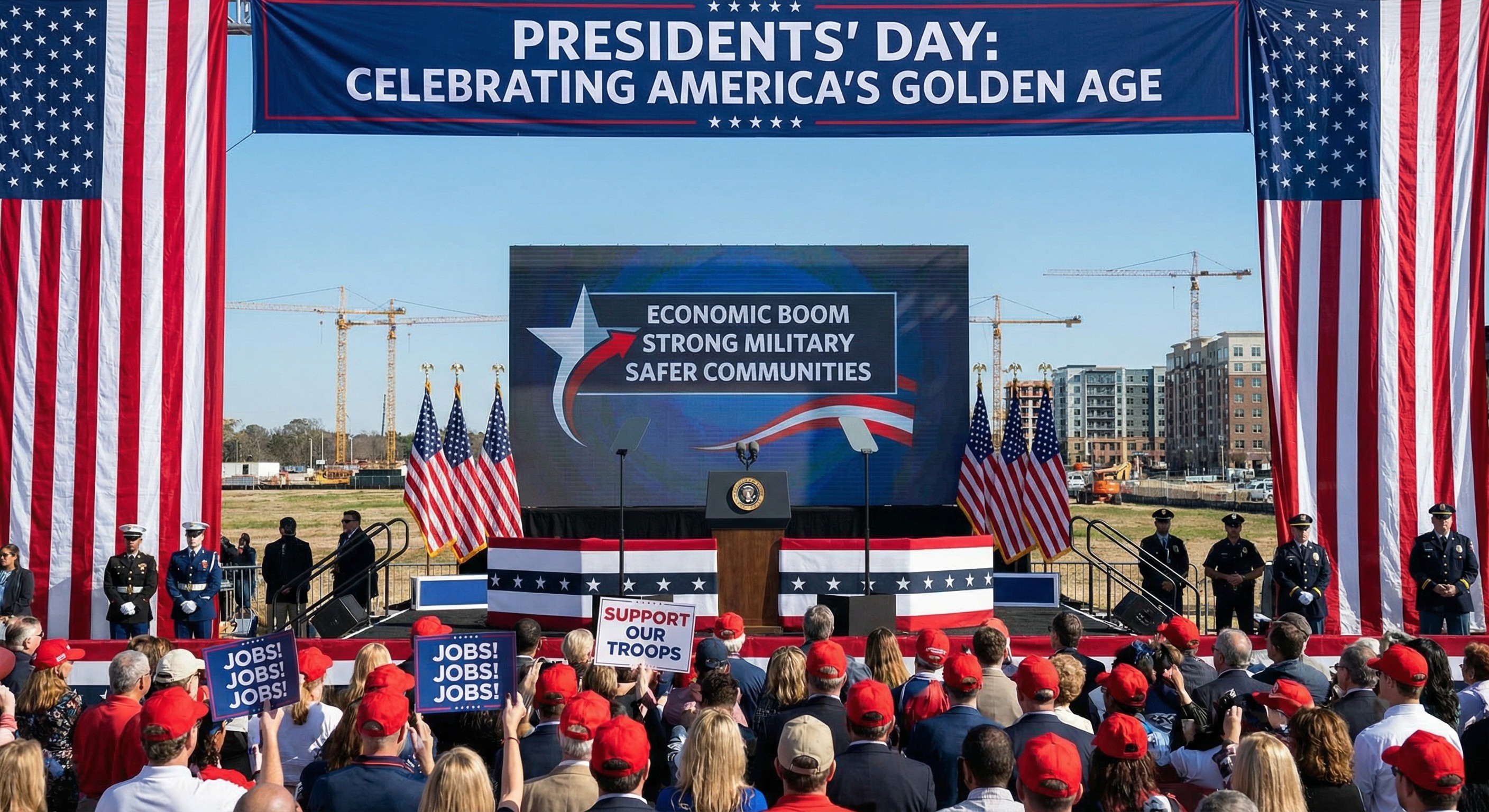
On Presidents' Day, former President Donald Trump took the opportunity to highlight what he describes as a 'Golden Age' of American prosperity, focusing on economic growth and inflation control as major achievements of his administration. According to Trump, his economic policies have resulted in core inflation reaching its lowest level in nearly five years. This reduction in inflation has reportedly increased real earnings for private-sector workers, adding approximately $1,400 to workers' pockets in his first year back in office.
Trump attributes this economic turnaround to his administration's pro-growth, anti-inflation agenda, which has successfully lowered the prices of staple food items like beef, eggs, and coffee. Energy prices have also seen a decline, with gasoline prices reaching some of the lowest levels in years. The former President also touts the reduction in prescription drug prices, a result of his drug pricing reforms and healthcare plans.
Stock Market Surge and Retirement Security
The stock market's performance under Trump's leadership is another point of pride for the former President. He notes that major stock indices, including the Dow Jones Industrial Average, S&P 500, and Nasdaq, have all reached record highs, generating trillions in new wealth for American families. The Dow Jones, in particular, has surpassed 50,000 for the first time, marking a significant milestone in market history.
This financial growth has translated into substantial increases in 401(k) balances for millions of workers, securing what Trump describes as the largest gains in history for retirement savings. Such financial security is a key component of the broader economic prosperity Trump envisions for the nation.
Strengthening Military and Law Enforcement
Beyond economic achievements, Trump emphasizes his administration's efforts to strengthen the U.S. military and law enforcement. He claims that defense spending has reached record levels, ensuring that the U.S. military remains the most powerful and respected fighting force globally. This investment has fueled modernization and revitalized the industrial base, with recruitment reportedly surging to new highs.
In the realm of law enforcement, Trump asserts that his administration has empowered police forces with resources and respect, contributing to a significant reduction in crime rates across the nation. Federal partnerships with state and local forces have reportedly driven crime rates to historic lows, particularly in cities led by Democratic administrations.
Border Security and Crime Reduction
Trump also highlights his administration's achievements in securing the U.S. southern border. Bold actions, including declaring a national emergency and deploying military support, have purportedly led to a dramatic decrease in U.S. Border Patrol apprehensions, reaching historic lows. This, according to Trump, marks the most secure border in U.S. history.
In terms of crime reduction, Trump points to new data showing steep declines in major violent crime categories, including a 19% drop in murders and a 20% decrease in robberies in 2025 compared to the previous year. The murder rate in major cities has reportedly fallen to its lowest level in at least 125 years, marking a significant achievement in public safety.
Implications and Outlook
The achievements outlined by Trump on Presidents' Day reflect his vision of a revitalized America, characterized by economic prosperity, military strength, and enhanced public safety. While these claims paint a picture of a nation experiencing a 'Golden Age,' they also invite scrutiny and debate regarding the accuracy and broader implications of such assertions.
As the nation continues to navigate complex challenges, including economic fluctuations, geopolitical tensions, and domestic security issues, the policies and outcomes highlighted by Trump will likely remain a focal point of discussion and analysis. The broader implications of these achievements will continue to shape the political discourse and influence the strategic direction of the United States in the years to come.