Changing Global Dynamics Prompt Reevaluation
As the geopolitical landscape undergoes significant shifts, European nations are increasingly questioning the adequacy of their long-standing alliances. Historically reliant on partnerships such as NATO and the European Union, these countries are now grappling with the need to adapt to new global realities. This reevaluation is driven by a variety of factors, including rising tensions between major powers, economic uncertainties, and evolving security threats.
The Role of Traditional Alliances
For decades, alliances like NATO have been central to European security and defense strategies. The collective defense pact, established in the aftermath of World War II, has provided a framework for military cooperation and deterrence against external threats. Similarly, the European Union has fostered economic integration and political collaboration among its member states. However, recent challenges, such as Brexit and differing national interests, have tested the cohesion and effectiveness of these alliances.
Exploring New Partnerships
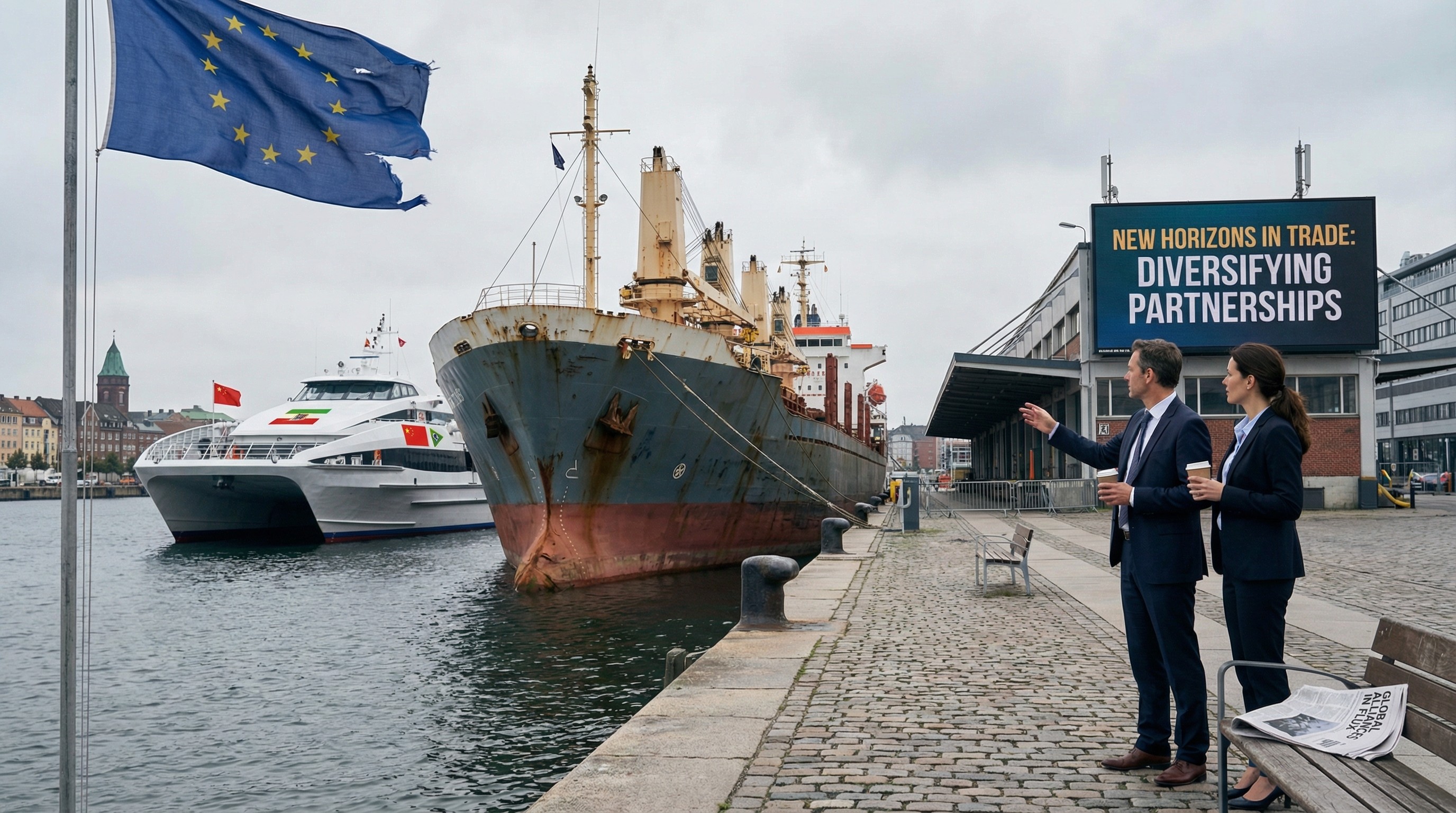
In response to these challenges, European countries are exploring diversification in their international relations. This includes strengthening ties with emerging economies and regional powers outside the traditional Western sphere. Countries like China and India are increasingly seen as important partners for trade and investment, offering new opportunities for economic growth. Additionally, European nations are engaging more actively in multilateral forums, seeking to influence global governance and address transnational issues like climate change and cybersecurity.
Implications for Global Stability
The shift towards diversification in alliances has significant implications for global stability. On one hand, it could lead to a more balanced and multipolar world order, where power is distributed across a wider range of actors. On the other hand, the weakening of traditional alliances may create uncertainties and vulnerabilities, particularly in areas such as collective security and defense. The challenge for European nations will be to navigate these complexities while maintaining their strategic interests and values.
Outlook for the Future
As European countries continue to reassess their alliances, the outcome will likely shape the continent's role in the global arena for years to come. The ability to adapt to changing circumstances and forge new partnerships will be crucial in addressing both current and future challenges. Ultimately, the decisions made by European leaders in this period of transition will have lasting impacts on the region's stability, prosperity, and influence in the world.