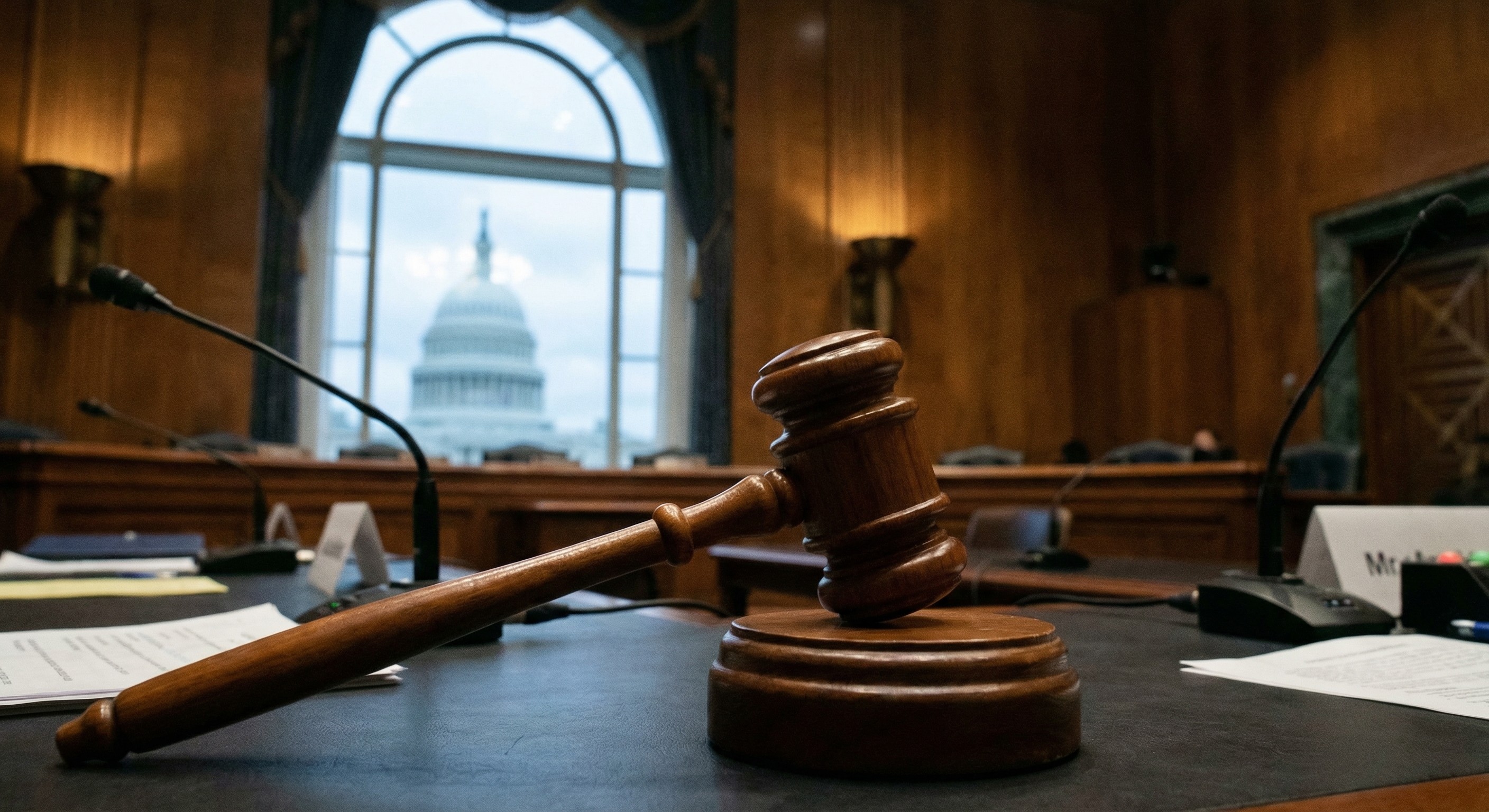

Background: Supreme Court Ruling on Tariffs
In a significant legal development, the United States Supreme Court recently nullified a substantial portion of tariffs previously imposed by former President Donald Trump. These tariffs had been a cornerstone of his trade policy, aimed at protecting American industries by imposing additional costs on imported goods. The court's decision has prompted a swift and decisive response from Trump, who has announced the introduction of new tariffs.
New Tariffs Announced Amid Legal Setback
In the wake of the Supreme Court's decision, Trump announced a fresh set of global tariffs, initially set at 10% and subsequently increased to 15%. This move is seen as an attempt to reassert his trade policy agenda, despite the legal challenges. The new tariffs are expected to affect a wide range of imported goods, impacting both international trade relations and domestic markets.
Economic Implications for the United States
The introduction of these new tariffs could have far-reaching economic consequences for the United States. On one hand, they may provide a protective buffer for certain domestic industries, potentially boosting local production. On the other hand, higher tariffs could lead to increased costs for American consumers and businesses reliant on imported goods. This could result in inflationary pressures, with prices rising as companies pass on the additional costs to consumers.
Global Reactions and Trade Relations
Internationally, the announcement of new tariffs has been met with concern from several key trading partners. Countries affected by these tariffs may consider retaliatory measures, potentially leading to a trade war that could disrupt global supply chains. The move also raises questions about the future of U.S. trade relations, particularly with allies who may view these tariffs as a barrier to free trade.
Outlook: Navigating Trade Policy Challenges
As the situation unfolds, the Biden administration faces the challenge of balancing the enforcement of trade policies with maintaining healthy international relations. The new tariffs could complicate diplomatic efforts and negotiations aimed at resolving trade disputes. Moving forward, it will be crucial for policymakers to consider both the domestic economic impacts and the broader implications for global trade dynamics.