U.S. Reaffirms Stance Against Nuclear Threats
Amid escalating tensions in the Middle East, the United States has reiterated its firm stance against nuclear blackmail, particularly in relation to Iran. This declaration was made by a special envoy representing President Donald Trump, emphasizing that the U.S. will not succumb to threats of nuclear aggression. The statement comes at a critical time as geopolitical dynamics in the region remain volatile.
Context of Rising Tensions
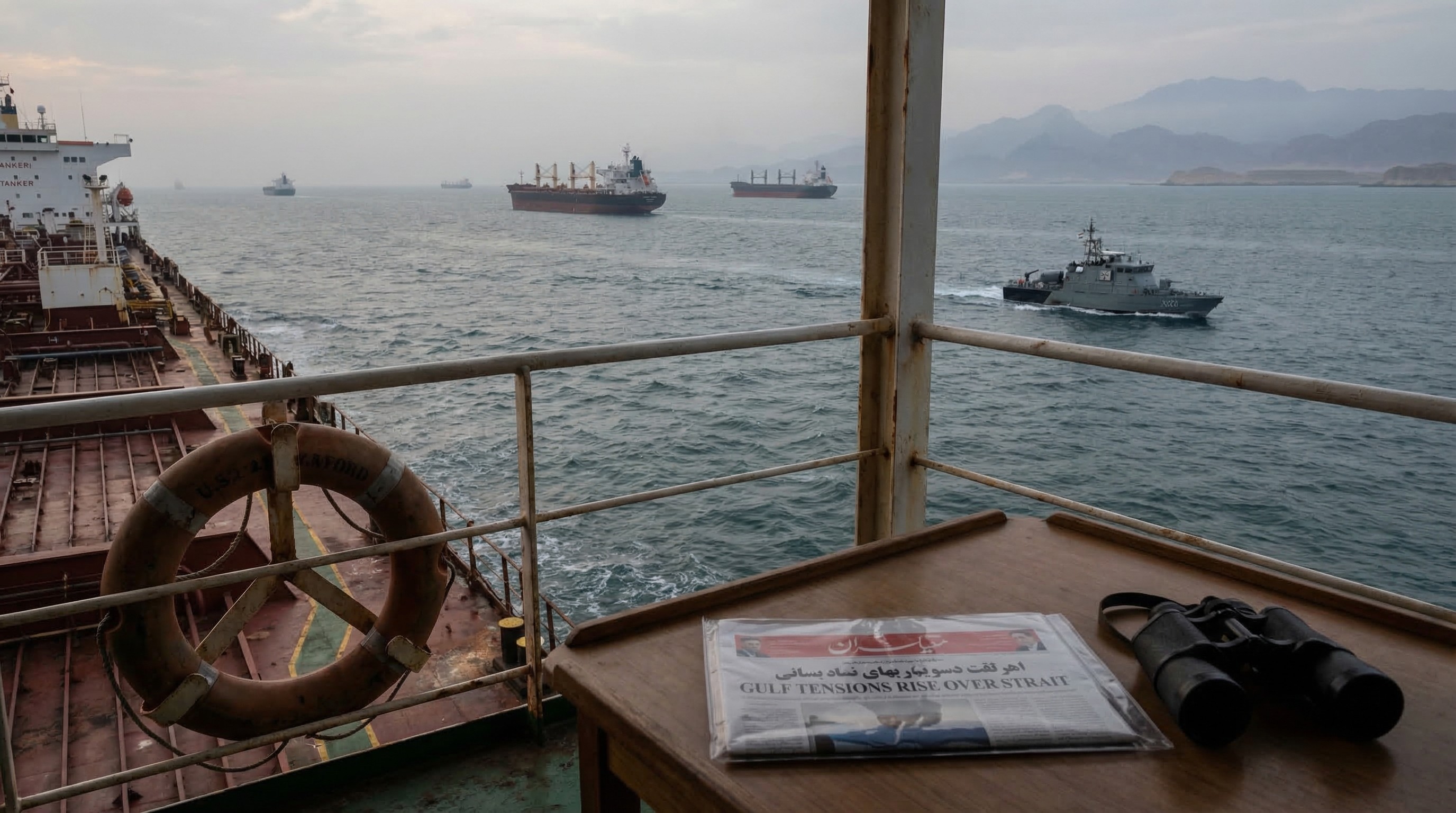
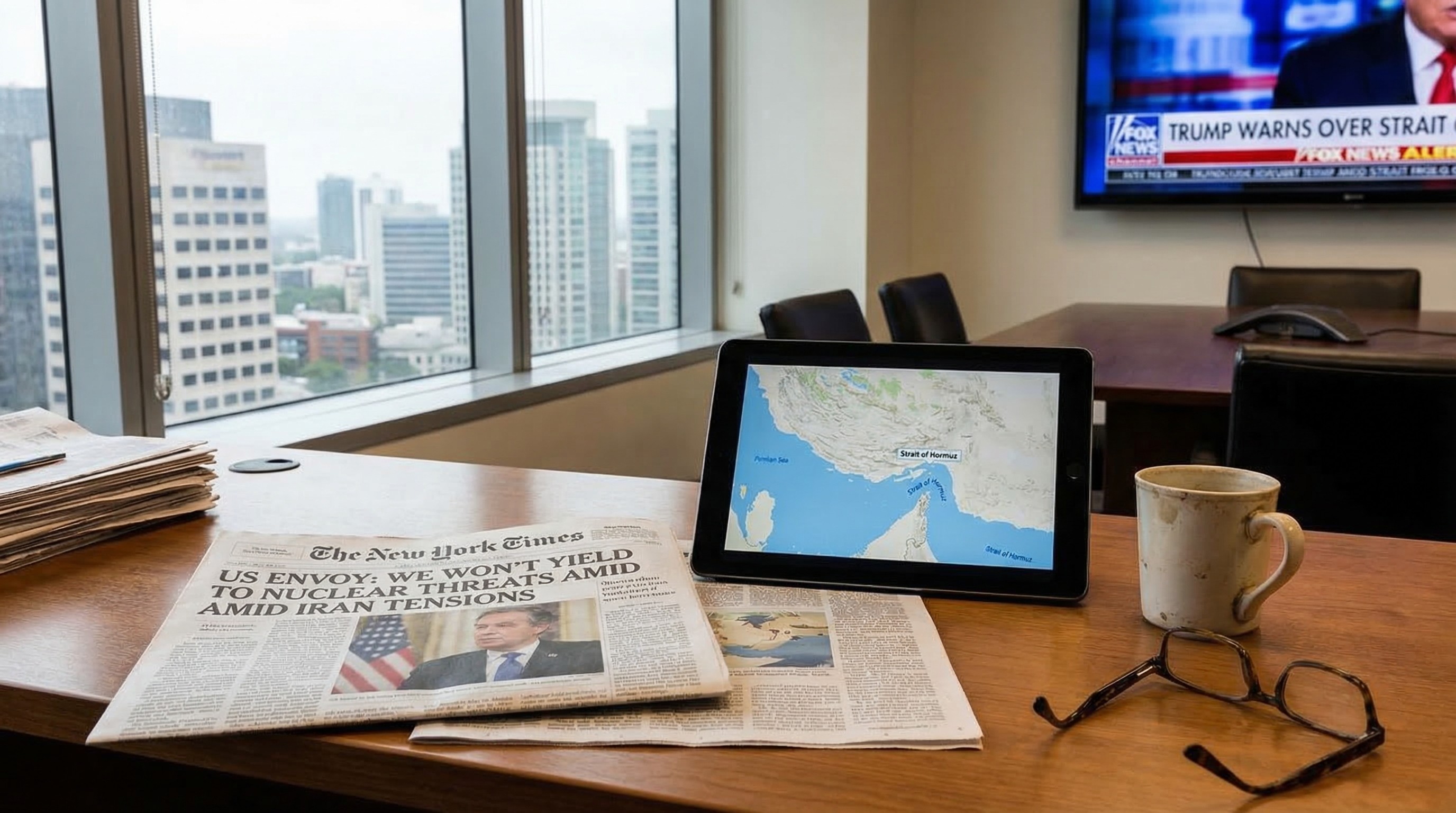
The U.S. position was reaffirmed following a phone call between President Trump and Russian President Vladimir Putin. The conversation underscored the complexities of international relations involving nuclear capabilities and regional security. The backdrop to this development is the ongoing tension over the Strait of Hormuz, a strategic chokepoint for global oil shipments, where Iran has been accused of threatening to disrupt oil flow.
Trump's Warning to Iran
President Trump has issued a stern warning to Iran, stating that any attempts to hinder oil passage through the Strait of Hormuz would be met with severe repercussions. The U.S. Defense Secretary echoed this sentiment, indicating that any hostile action by Iran would be met with a response "twenty times harder." This rhetoric highlights the U.S. commitment to maintaining the free flow of oil, a critical component of the global economy.
Implications for International Relations
The U.S.'s hardline stance has significant implications for international diplomacy and security. By refusing to yield to nuclear threats, the U.S. aims to deter aggressive actions that could destabilize the region further. This approach also signals to allies and adversaries alike that the U.S. remains resolute in protecting its interests and those of its partners.
Outlook on Middle East Stability
As the situation unfolds, the international community watches closely. The potential for conflict in the Strait of Hormuz poses risks not only to regional stability but also to global energy markets. The U.S. strategy, centered on deterrence and diplomatic pressure, seeks to prevent escalation while safeguarding economic interests. However, the path forward remains fraught with uncertainty, as diplomatic efforts continue to navigate the complex web of alliances and rivalries in the Middle East.