U.S.-Iran Relations: A Historical Context
The relationship between the United States and Iran has been fraught with tension for decades, marked by political, military, and economic conflicts. The 1979 Iranian Revolution and the subsequent U.S. Embassy hostage crisis set the stage for a strained relationship that has persisted. More recently, the U.S. withdrawal from the Iran nuclear deal in 2018 under President Trump escalated tensions, leading to a series of confrontations and sanctions aimed at curbing Iran's nuclear ambitions.
Trump's Recent Remarks on Iran
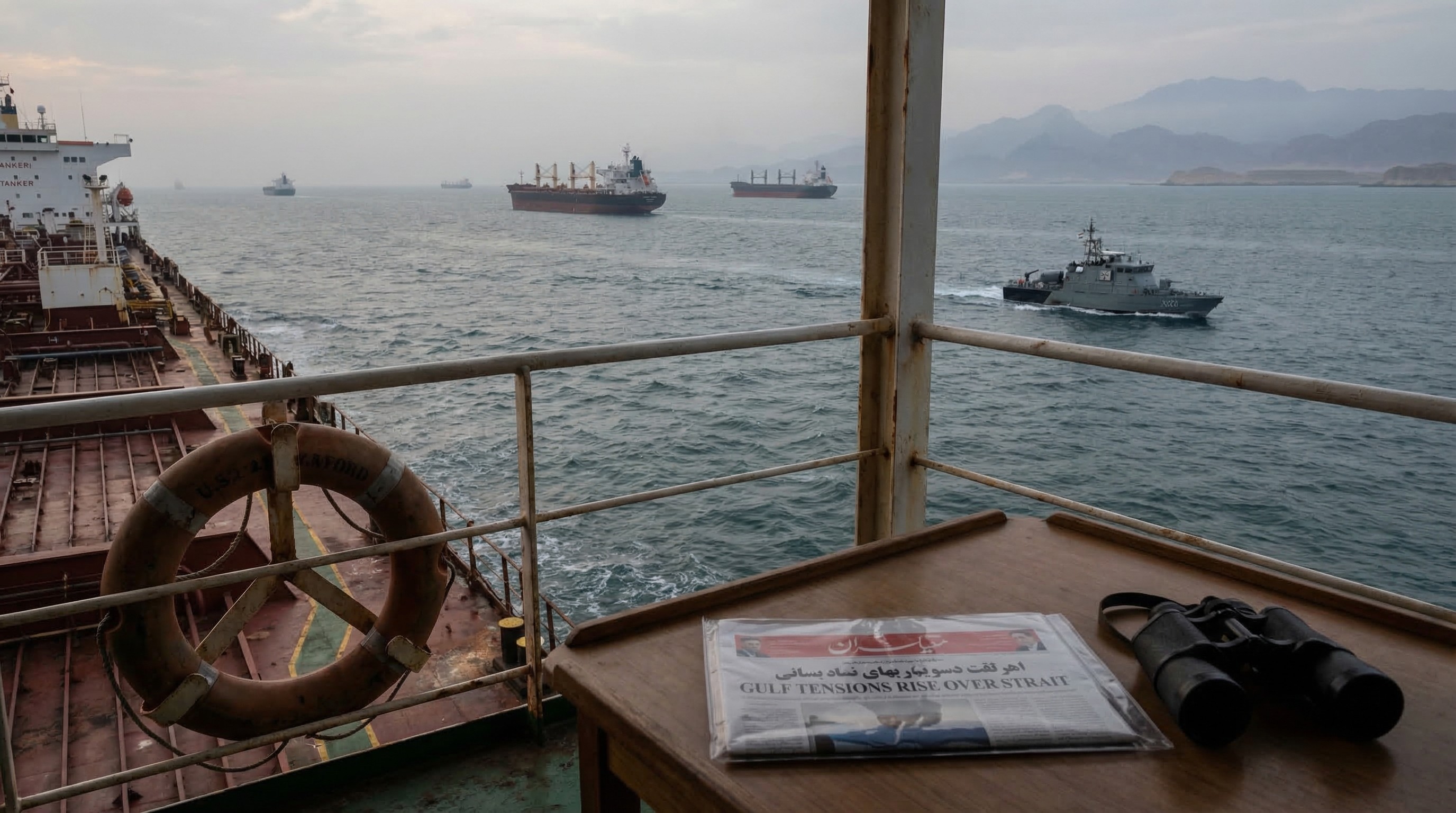
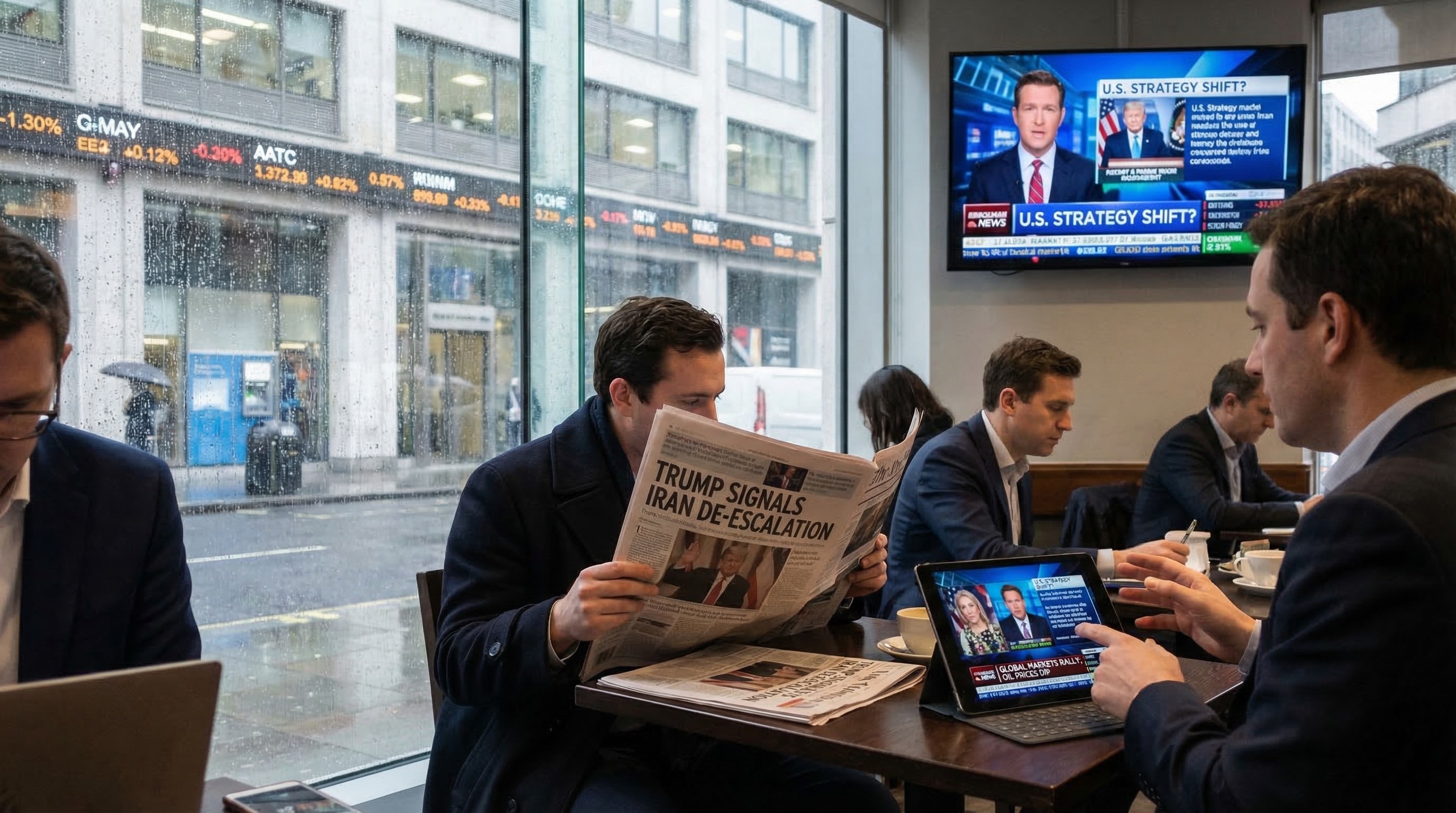
In a recent statement, President Donald Trump suggested that U.S. military actions against Iran might soon come to an end. This remark comes amidst heightened tensions following a series of incidents in the Gulf region, including the downing of a U.S. drone and attacks on oil tankers, which have raised fears of a broader conflict. Trump's comments appear to signal a potential shift in U.S. strategy, aiming to reduce military engagement while maintaining pressure on Iran through economic sanctions.
Impact on Global Markets
Trump's statement had immediate repercussions on global financial markets, which have been sensitive to geopolitical developments. The prospect of reduced military conflict in the Middle East, a region critical to global oil supply, has led to fluctuations in oil prices and stock market indices. Investors, wary of instability, responded positively to the potential for de-escalation, viewing it as a reduction in geopolitical risk that could stabilize markets.
Geopolitical Implications
A de-escalation in U.S.-Iran tensions could have significant geopolitical implications. It may open the door for renewed diplomatic efforts, potentially involving European and regional powers, to address broader issues such as Iran's nuclear program and regional influence. Furthermore, a reduction in U.S. military presence could alter the strategic balance in the Middle East, affecting alliances and power dynamics.
Outlook and Future Developments
While Trump's remarks suggest a move towards de-escalation, the situation remains fluid. The Iranian government's response and actions will be critical in determining the path forward. Additionally, the U.S.'s strategic objectives in the region, including countering terrorism and ensuring the security of allies, will continue to shape its policy. Observers will be closely watching for concrete diplomatic initiatives or agreements that could solidify this potential shift in strategy.