Introduction to the Jones Act
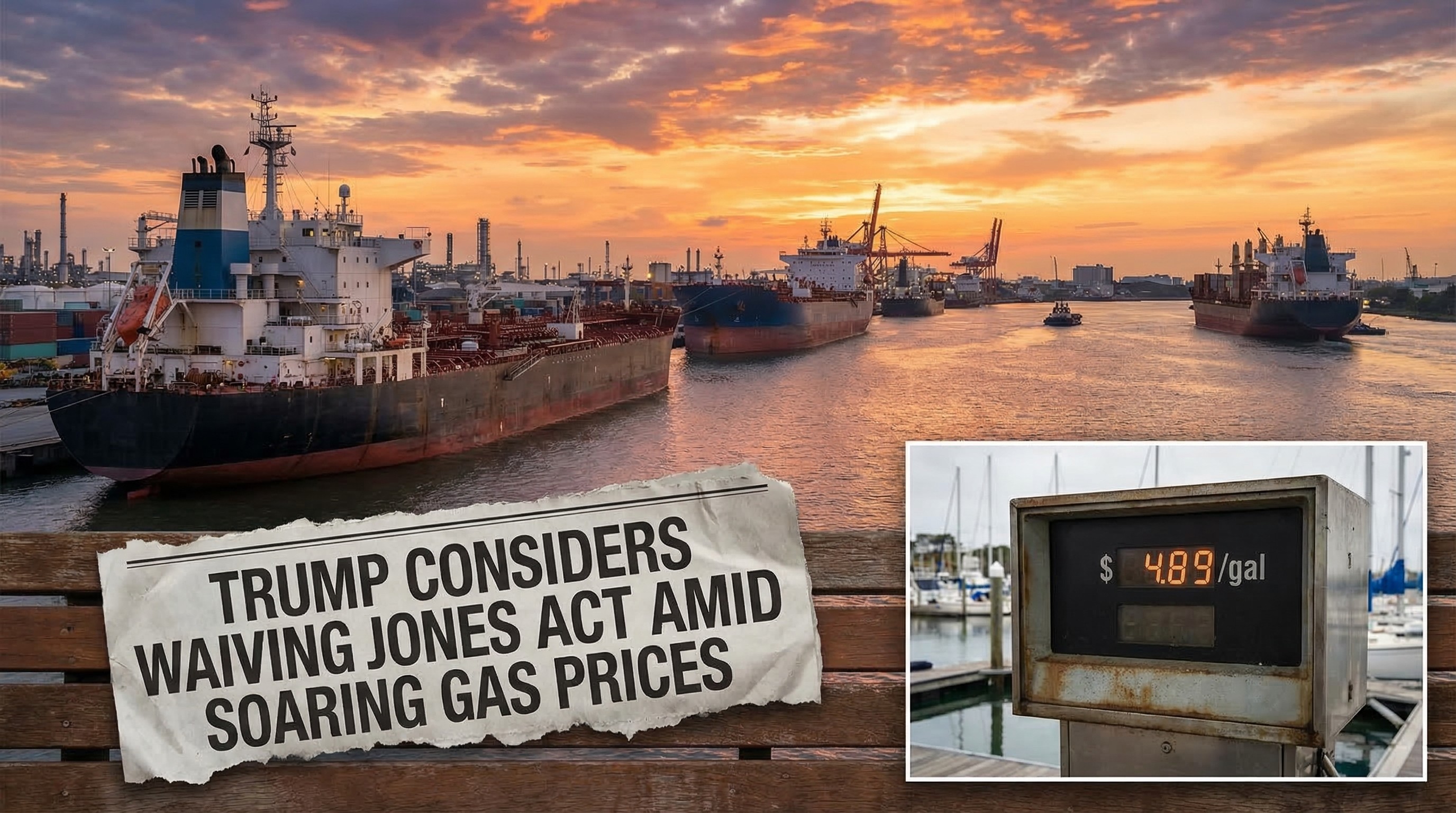
The Trump administration is reportedly contemplating a waiver of the Jones Act, a maritime law that has governed U.S. shipping practices for nearly a century. This move is seen as a strategy to alleviate rising oil and gasoline prices, according to sources familiar with the administration's plans. The Jones Act, formally known as the Merchant Marine Act of 1920, mandates that goods transported between U.S. ports be carried on ships that are American-built, -owned, and -operated. This legislation has been a cornerstone of U.S. maritime policy, aimed at supporting the domestic shipping industry.
Reasons Behind the Waiver Consideration
The potential waiver comes in response to a surge in oil and gasoline prices, which have put pressure on the U.S. economy and consumers. By allowing foreign vessels to transport oil between U.S. ports, the administration hopes to increase the supply and reduce transportation costs, thereby easing fuel prices. This consideration highlights the administration's focus on addressing energy costs, which have been a significant concern for both businesses and consumers.
Economic and Industry Implications
Waiving the Jones Act could have far-reaching implications for the U.S. maritime industry and broader economy. Proponents argue that it could lead to lower fuel prices and increased competitiveness in the shipping sector. However, critics caution that it may undermine the domestic shipping industry, potentially leading to job losses and weakened national security by increasing reliance on foreign vessels. The debate reflects broader tensions between economic efficiency and protectionist policies.
Historical Context and Previous Waivers
The Jones Act has been waived in the past, typically in response to emergencies such as natural disasters. For instance, the act was temporarily suspended in the aftermath of Hurricane Maria in 2017 to expedite the delivery of aid to Puerto Rico. These precedents illustrate the government's willingness to relax regulations in times of crisis, though such waivers are often temporary and subject to significant scrutiny.
Outlook and Potential Developments
As the Trump administration weighs this decision, stakeholders across the maritime and energy sectors are closely monitoring developments. A waiver could be seen as a pragmatic response to immediate economic pressures, but it also raises questions about long-term policy directions. The outcome will likely influence future discussions on energy independence, regulatory reform, and the balance between domestic industry support and global competitiveness.