Background of the Incident
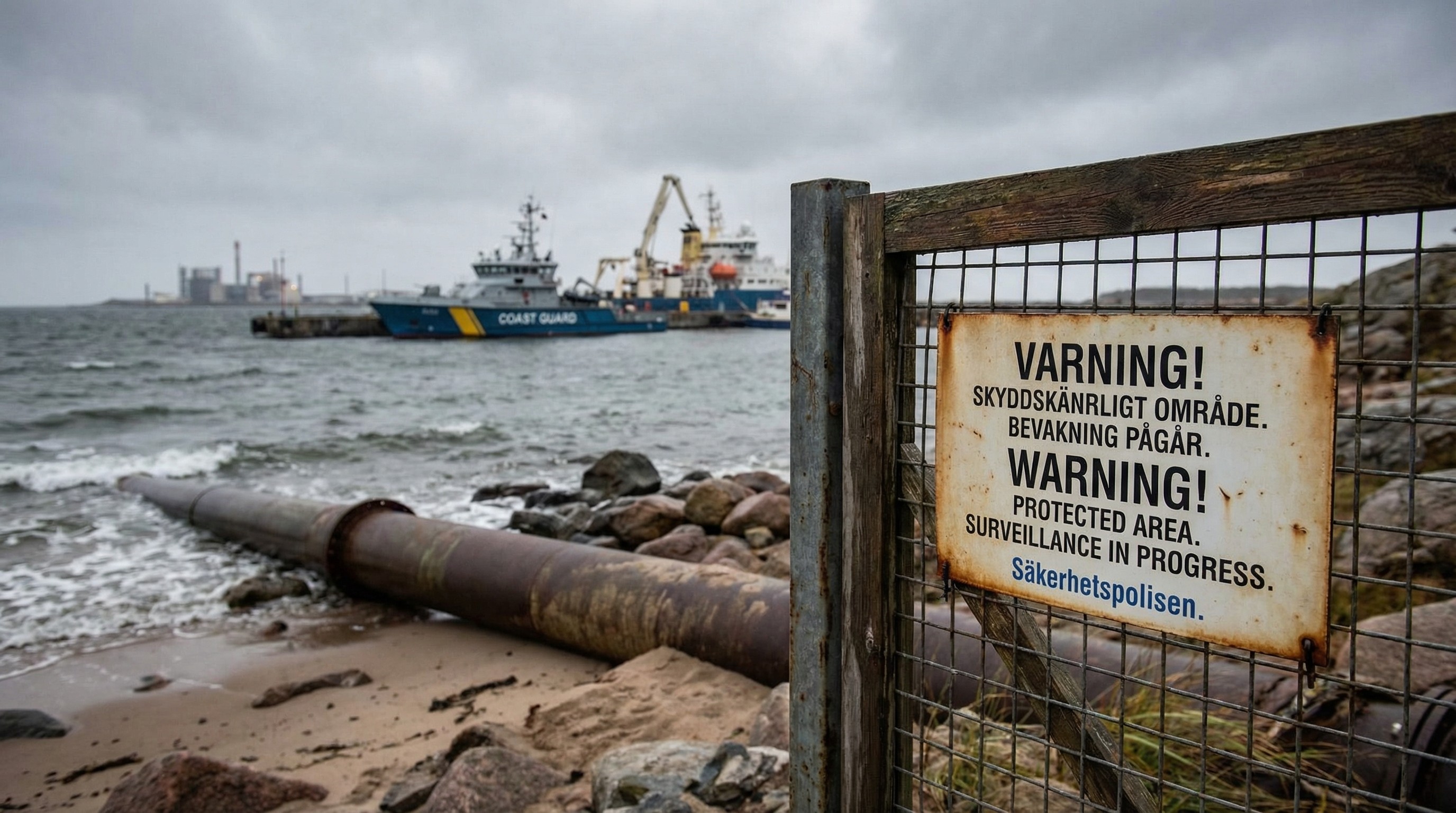
In a recent development, Sweden has accused Russia of being involved in a sabotage incident concerning a gas pipeline in the Baltic Sea. The Swedish Prime Minister described the event as serious yet not unexpected, citing a pattern of behavior attributed to Russia in various regions. This accusation comes amid heightened tensions in the region, where energy infrastructure has been a focal point of geopolitical contention.
Details of the Pipeline Sabotage
The incident in question involves damage to a gas pipeline that plays a crucial role in transporting energy resources across the Baltic Sea. While specific details of the sabotage have not been fully disclosed, the Swedish government has pointed to evidence suggesting deliberate interference. The pipeline is part of a network that supplies gas to several European countries, and any disruption poses significant implications for energy security in the region.
Implications for Regional Security
The accusation against Russia adds to the growing list of security concerns in Northern Europe. The Baltic Sea has been a strategic area for both NATO and Russia, with military exercises and increased naval presence from both sides. This incident underscores the vulnerabilities of critical infrastructure in the region and the potential for geopolitical conflicts to escalate into direct actions affecting civilian resources.
International Reactions and Diplomatic Tensions
Sweden's allegations have prompted reactions from other European nations and international bodies. There is a call for a thorough investigation to ascertain the facts and hold those responsible accountable. The European Union and NATO have expressed solidarity with Sweden, emphasizing the need for collective defense mechanisms to protect infrastructure. Meanwhile, Russia has denied any involvement, dismissing the claims as unfounded.
Outlook and Future Developments
This incident is likely to influence future policy decisions regarding energy security and defense strategies in Europe. It may accelerate efforts to diversify energy sources and strengthen infrastructure resilience against potential threats. Additionally, the situation highlights the importance of diplomatic channels in addressing such conflicts to prevent further escalation. Observers will be closely monitoring the developments, as any further evidence or retaliatory actions could have significant repercussions for regional stability.