
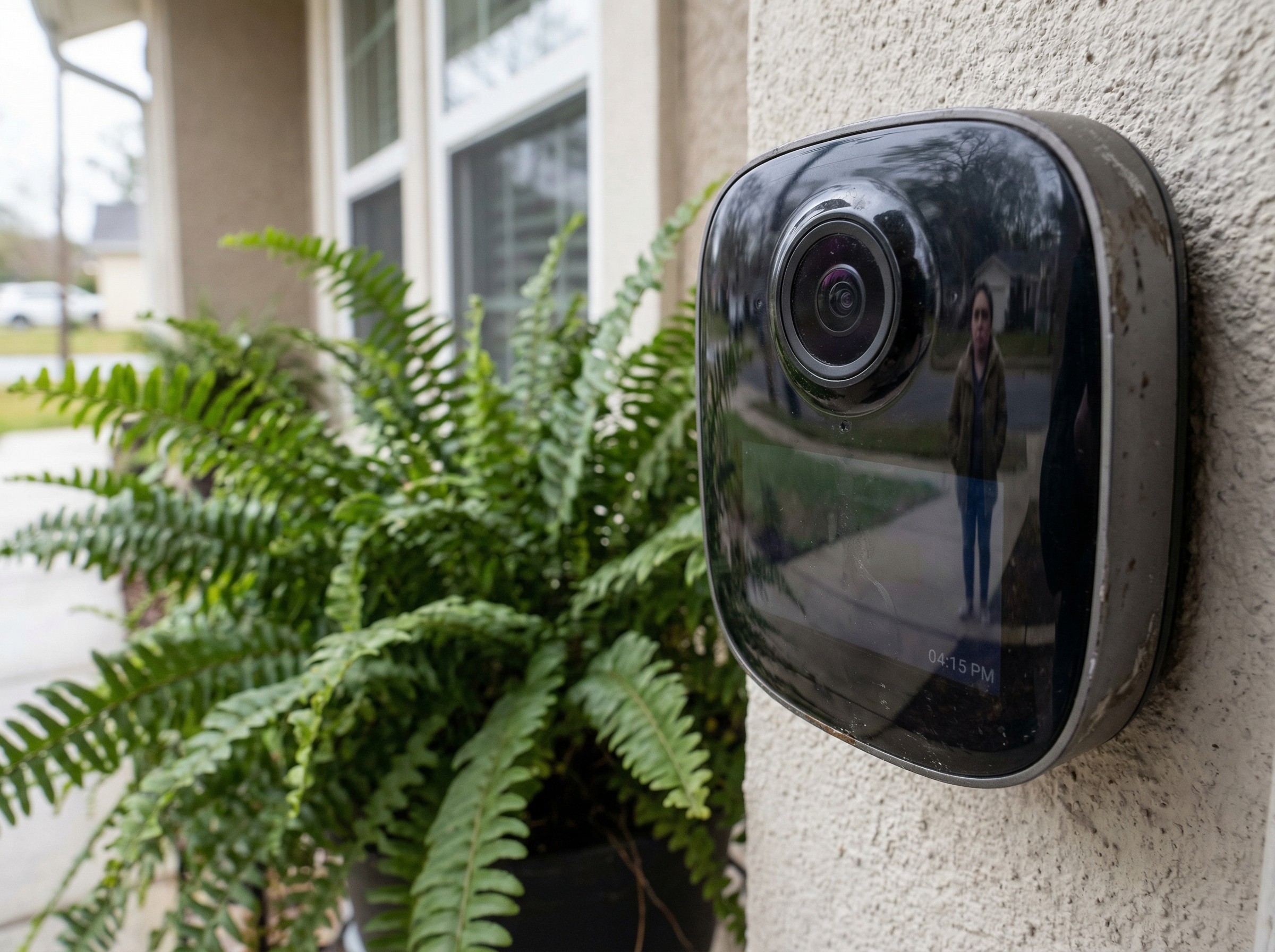
Growing Privacy Concerns Over Home Surveillance Tools
Recent developments in home surveillance technology have sparked significant public concern over privacy and data security. Tools like Amazon's Ring doorbell cameras have become increasingly popular for their ability to enhance home security. However, the potential for these devices to be used as part of a broader surveillance network has led to a backlash among consumers and privacy advocates.
AI Advancements Raise the Stakes
The integration of advanced artificial intelligence (AI) in surveillance tools has increased their capabilities, allowing for more sophisticated data processing and retention. This has raised alarms about the potential misuse of collected data, which can include video footage and license plate information. The controversy intensified following Amazon's Super Bowl advertisement for Ring's new "Search Party" feature, which was intended to help locate lost dogs but was perceived by many as a tool that could track individuals.
Public Backlash and Corporate Response
The advertisement led to widespread criticism on social media, with many consumers expressing their intention to remove their Ring devices or seek refunds. A popular social media account even accused Amazon of creating a mass surveillance network. In response, Ring's spokesperson, Yassi Yarger, clarified that the "Search Party" feature does not process human biometrics or track people, emphasizing that the choice to share video footage remains with the camera owners.
Law Enforcement Partnerships Under Fire
Concerns about the partnerships between surveillance companies and law enforcement agencies have been growing. Reports have surfaced of agencies like the FBI and ICE accessing data from these tools to aid investigations. While some agreements allow users to share footage voluntarily, others involve formal requests for data. This has led to protests and calls for companies like Palantir to end their contracts with such agencies.
The Future of Home Surveillance
Despite the privacy concerns, the adoption of home surveillance devices continues to rise as consumers seek to protect their properties. Companies like Flock Safety have expanded rapidly, now present in thousands of communities across the United States. However, the ongoing debate over privacy and data security is likely to shape the future of these technologies and their integration into everyday life.