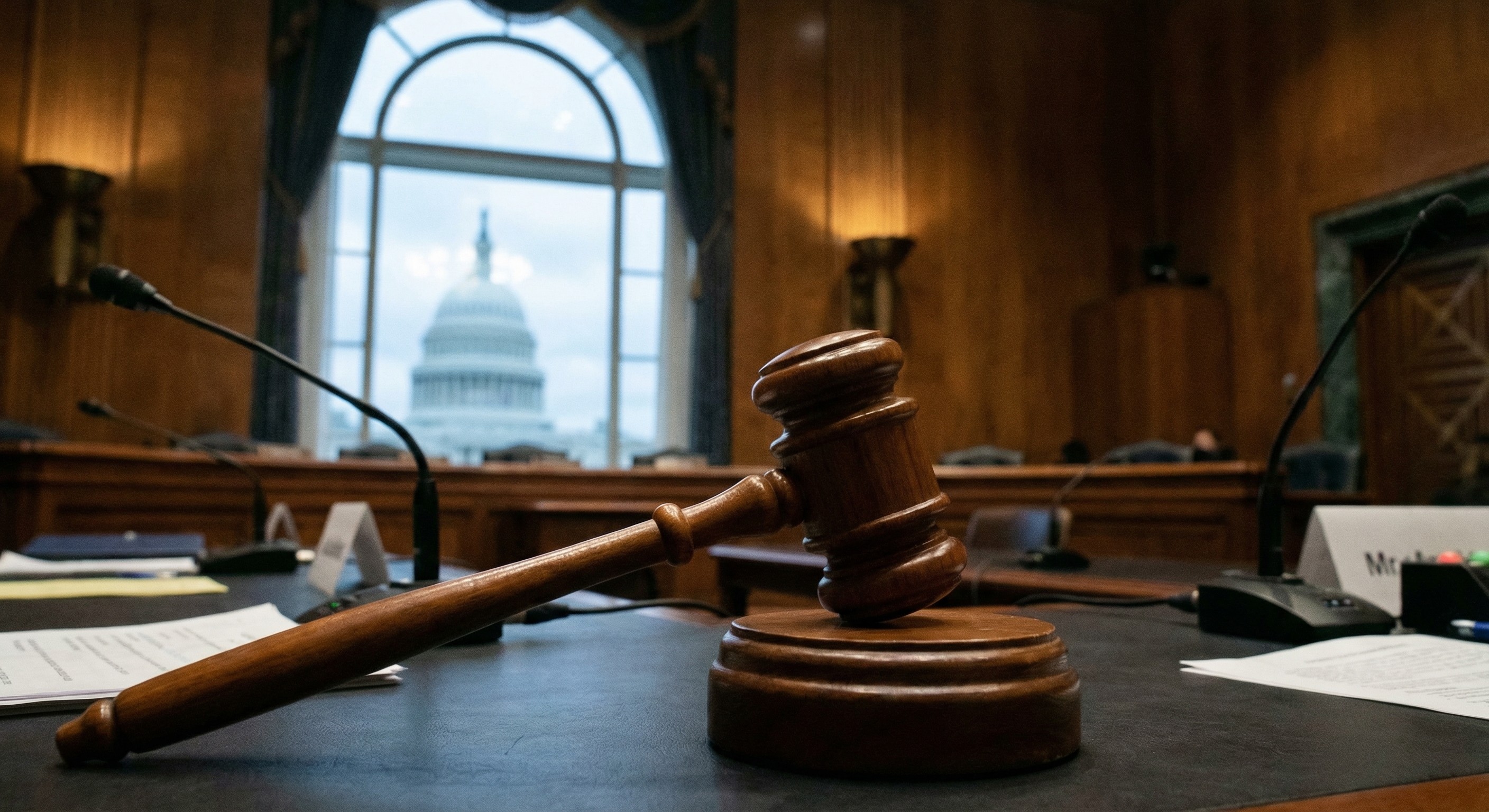
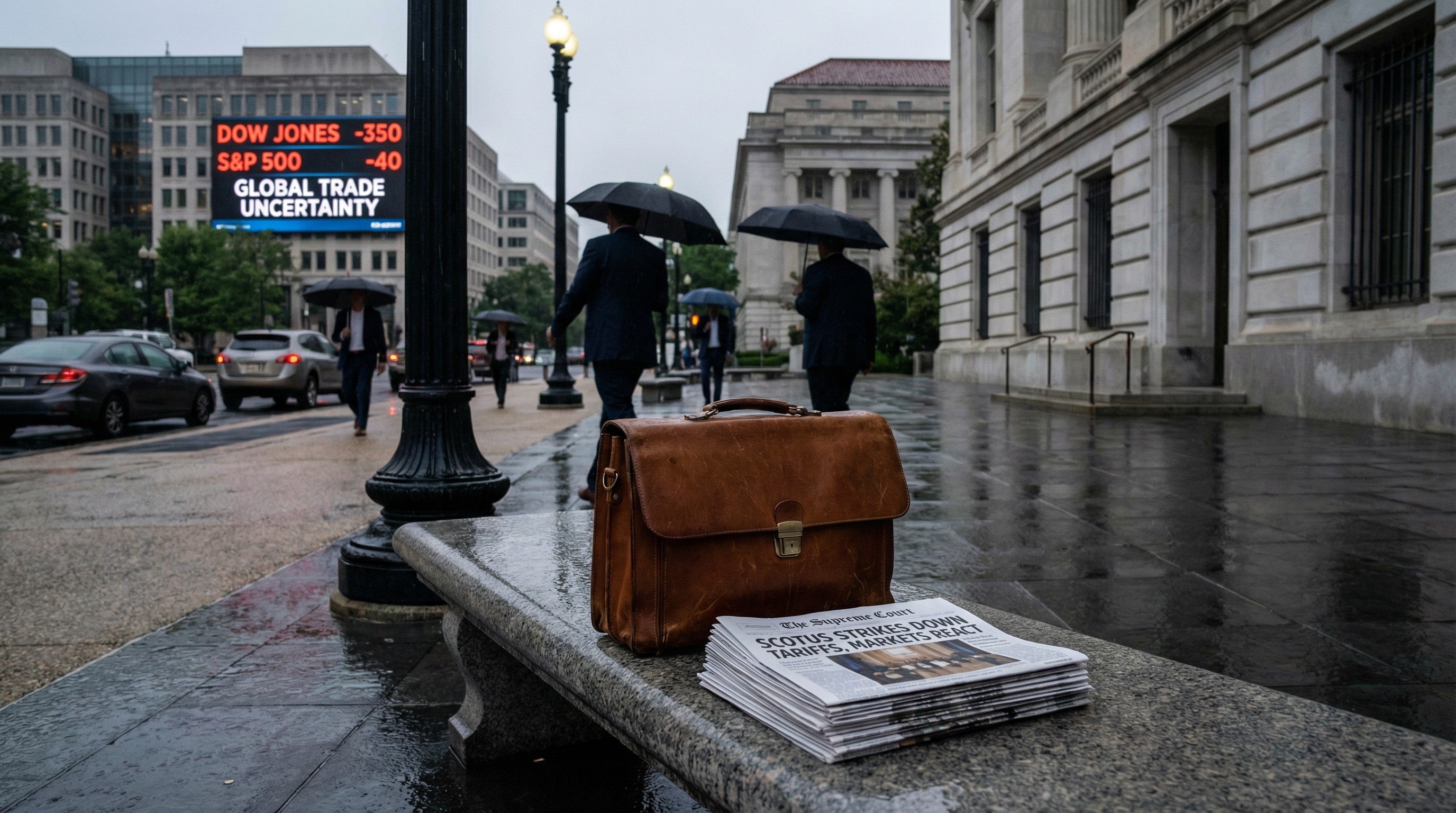
Supreme Court Decision Challenges Trump's Trade Policies
The U.S. Supreme Court recently delivered a landmark ruling that invalidates some of the most extensive tariffs imposed during the Trump administration. This decision introduces a new layer of unpredictability in global trade dynamics, impacting international relations and economic strategies worldwide.
Background on the Tariffs
During his presidency, Donald Trump implemented a series of tariffs aimed at protecting American industries and reducing trade deficits, particularly with China. These tariffs were part of a broader strategy to renegotiate trade agreements and assert U.S. economic interests. However, they also sparked trade tensions and retaliatory measures from affected countries, leading to a volatile trade environment.
Implications for Global Trade
The Supreme Court's ruling not only questions the legality of these tariffs but also sets a precedent that could influence future U.S. trade policies. For international markets, this decision could mean a shift towards more predictable and stable trade relations, as countries reassess their strategies in light of potential changes in U.S. trade policy. Businesses that rely on global supply chains may experience fluctuations as they adapt to the new regulatory landscape.
Reactions from the International Community
The ruling has elicited varied reactions from the international community. Some countries view it as an opportunity to mend strained trade relations and engage in more collaborative economic partnerships with the U.S. Others remain cautious, awaiting further developments in U.S. trade policy under the current administration. The decision could also influence ongoing trade negotiations, as countries leverage the ruling to seek more favorable terms.
Future Outlook for U.S. Trade Policy
As the Biden administration navigates this new judicial landscape, there is potential for significant shifts in U.S. trade policy. The administration may prioritize multilateral trade agreements and seek to restore alliances strained by previous tariff measures. However, balancing domestic economic interests with international commitments will be a complex task. The Supreme Court's decision serves as a reminder of the intricate interplay between law, policy, and global economics.