Escalating Cyber Threats in Global Conflict
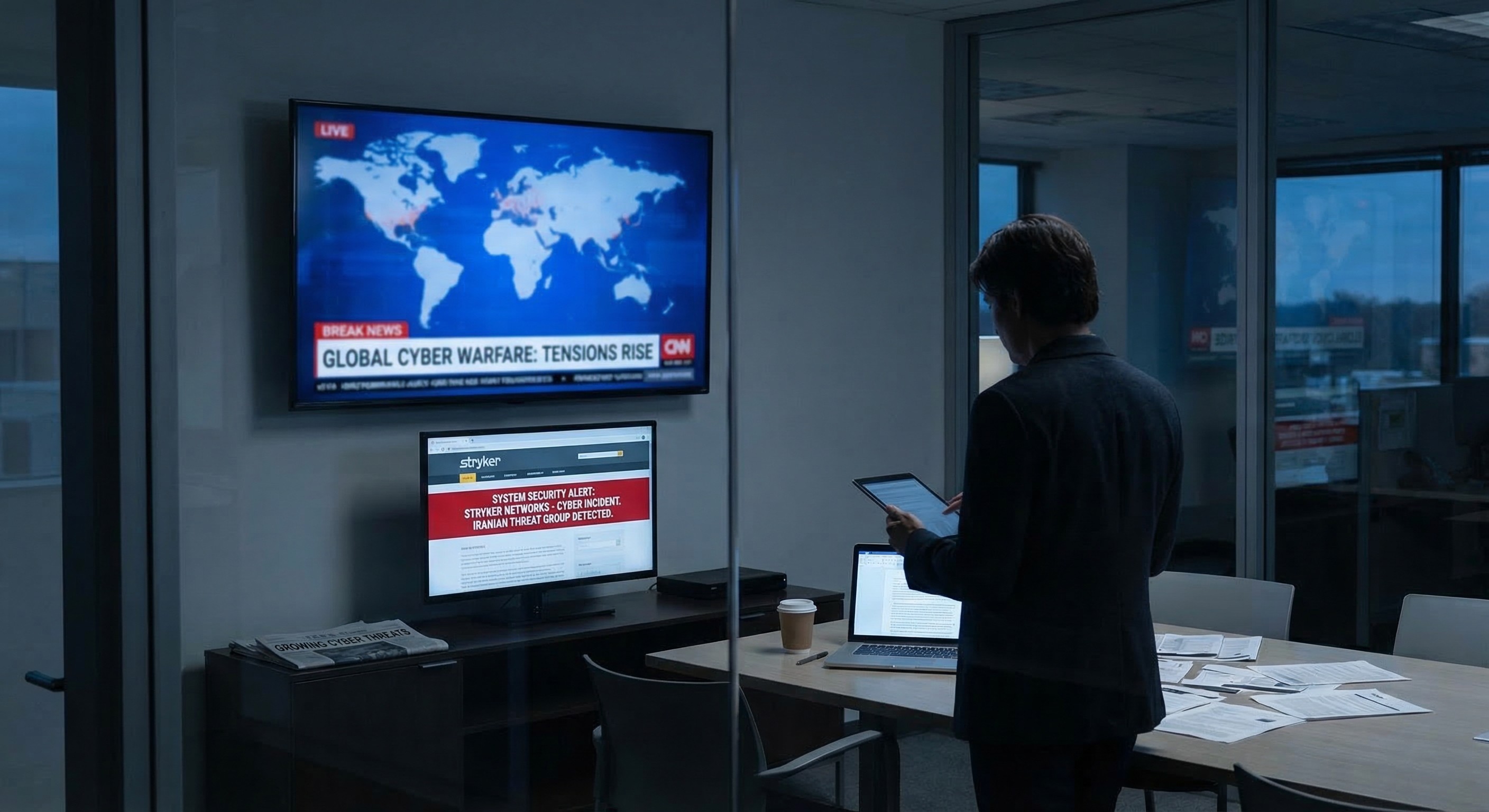
The recent cyberattack on Stryker, a multinational medical device manufacturer, underscores the increasing threat of cyber warfare in the wake of geopolitical tensions. This incident, attributed to a hacking group aligned with the Iranian government, comes shortly after the U.S. and Israel conducted airstrikes on Iran, raising concerns about the potential for retaliatory cyberattacks on international organizations.
Details of the Cyberattack on Stryker
The first signs of the attack emerged through social media posts and a report by the Irish Examiner. Allegations surfaced that Stryker's employees experienced a complete wipe of their phones and computers. The attack was reportedly accompanied by login pages displaying the logo of Handala Hack, a group known for its alignment with Iranian interests. Stryker confirmed a "global network disruption" affecting its Microsoft environment, though it stated that there was no evidence of ransomware or malware involvement.
Implications for Global Cybersecurity
This incident highlights the vulnerabilities that multinational corporations face amid rising geopolitical tensions. As cyberattacks become a common form of retaliation, companies across sectors are urged to bolster their cybersecurity measures. The attack on Stryker serves as a stark reminder of the potential for significant operational disruptions and data breaches, which could have far-reaching consequences for businesses and their stakeholders.
Iranian Cyber Capabilities and Global Impact
Iran has been linked to numerous cyberattacks in recent years, often targeting critical infrastructure and high-profile companies. The alignment of groups like Handala Hack with Iranian governmental interests suggests a coordinated effort to use cyber warfare as a tool of geopolitical influence. This development places additional pressure on global cybersecurity frameworks and necessitates international cooperation to mitigate such threats.
Future Outlook and Preventive Measures
As the digital landscape becomes increasingly integrated with global operations, the risk of cyberattacks as a form of political retaliation is likely to grow. Organizations must prioritize cybersecurity by investing in advanced threat detection technologies and developing robust incident response plans. International collaboration and information sharing are also crucial in creating a united front against cyber threats.