
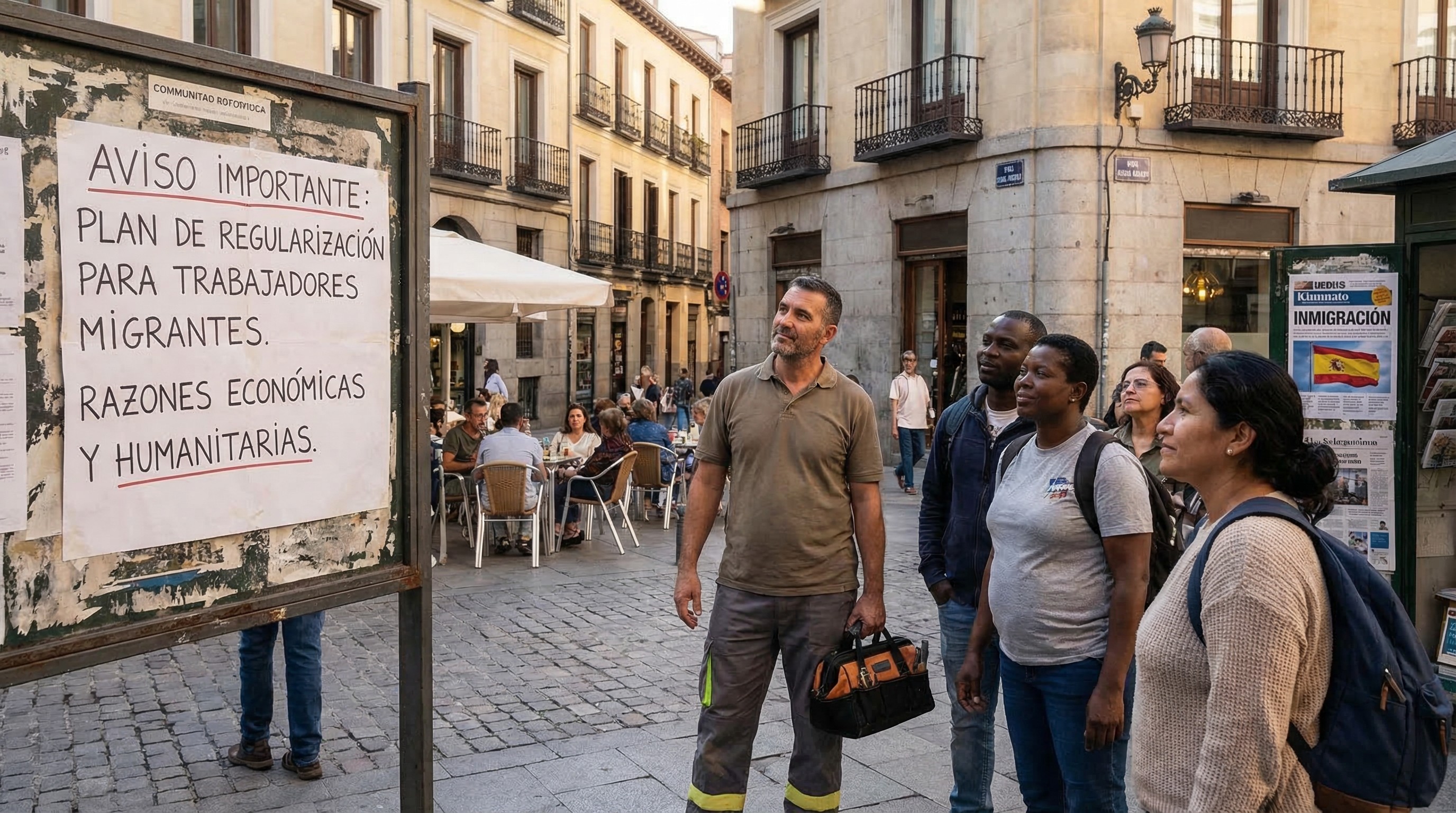
Spain's New Immigration Policy
In a significant policy shift, the Spanish government has announced plans to grant legal status to undocumented workers. This decision is driven by both economic and humanitarian considerations, as the country seeks to address labor shortages and improve the conditions of its immigrant population. The move is expected to impact thousands of undocumented individuals currently residing in Spain, offering them a pathway to formal employment and social integration.
Economic Motivations Behind the Decision
Spain's economy has been grappling with labor shortages in various sectors, including agriculture, construction, and hospitality. By regularizing undocumented workers, the government aims to fill these gaps and boost economic productivity. This initiative is seen as a strategic response to the demographic challenges posed by an aging population and declining birth rates. Legalizing undocumented workers could also increase tax revenues and reduce the informal economy's size, contributing to a more robust economic framework.
Humanitarian Concerns and Social Integration
Beyond economic factors, the Spanish government emphasizes the humanitarian aspect of this policy. Undocumented workers often face precarious living conditions and limited access to essential services. Granting them legal status could significantly improve their quality of life and facilitate their integration into society. This approach aligns with Spain's broader commitment to human rights and social justice, reflecting a compassionate stance towards migrants and their families.
Potential Challenges and Criticisms
While the policy has been welcomed by many, it also faces criticism and potential challenges. Opponents argue that regularizing undocumented workers might encourage further illegal immigration, potentially straining public resources. Additionally, there are concerns about the capacity of Spain's administrative systems to handle the influx of applications for legal status. The government will need to balance these concerns with the benefits of its new policy to ensure its successful implementation.
Implications for European Immigration Policies
Spain's decision could have broader implications for immigration policies across Europe. As one of the European Union's major economies, Spain's approach may influence other member states grappling with similar issues. The policy could serve as a model for balancing economic needs with humanitarian considerations, potentially reshaping the continent's immigration landscape. Observers will be closely watching the outcomes of Spain's initiative, which may offer valuable lessons for other countries facing similar challenges.