/
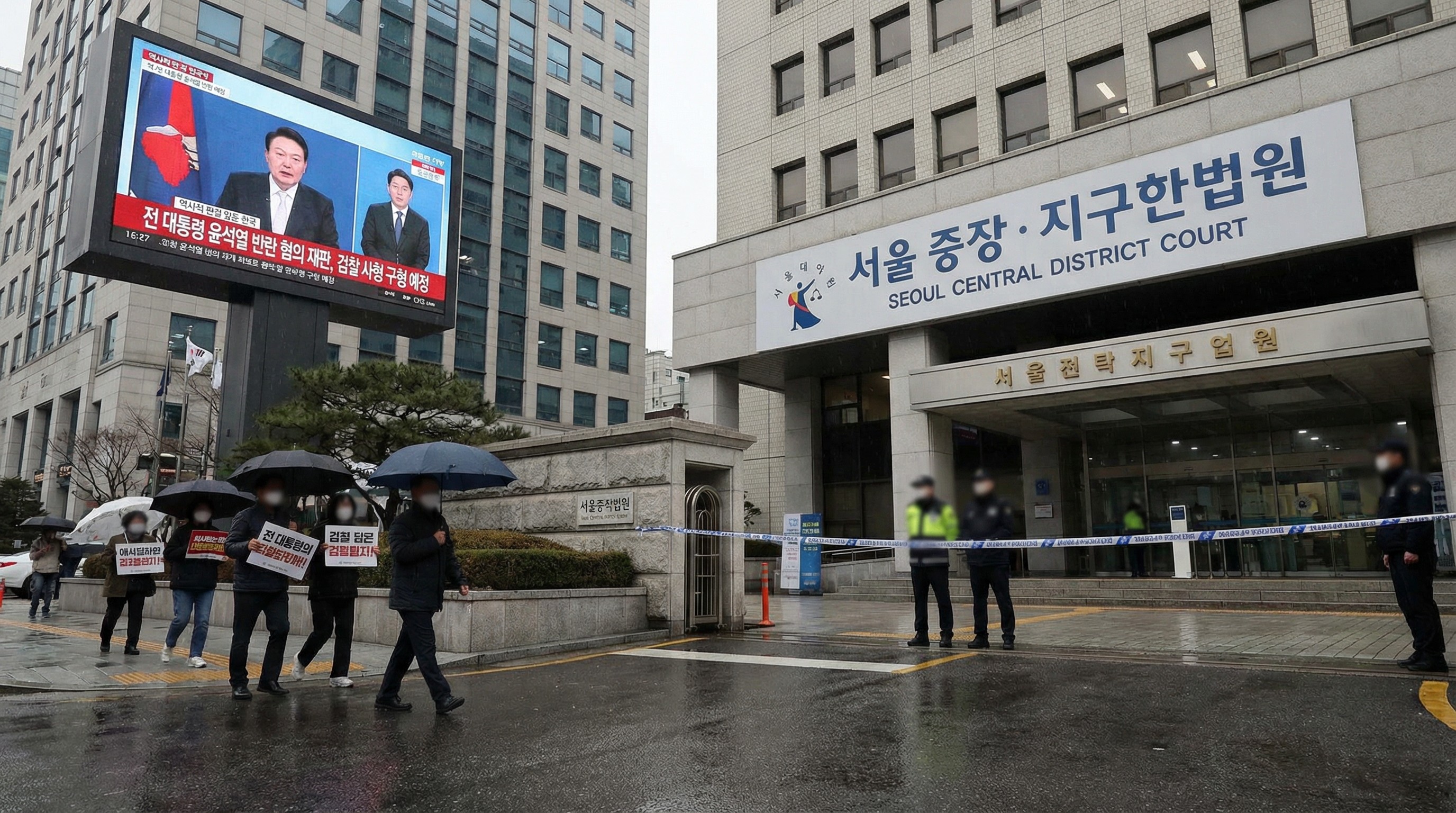
South Korea stands on the brink of a pivotal moment in its judicial and political history as the nation anticipates the verdict in the insurrection trial of former President Yoon Suk Yeol. The case, which has gripped the country for over a year, could result in the death penalty for Yoon, marking a significant chapter in South Korea's ongoing struggle with its authoritarian past.
Historical Context of the Martial Law Crisis
The charges against Yoon Suk Yeol are reminiscent of a dark era in South Korean history, echoing the military dictatorship of Chun Doo-hwan. Chun, who was sentenced to death in the same Seoul courtroom three decades ago, was eventually pardoned after his sentence was commuted to life imprisonment. This historical parallel underscores the gravity of the current proceedings, as South Koreans confront unresolved tensions from their authoritarian past.
The Case Against Yoon Suk Yeol
The insurrection charges against Yoon stem from allegations of his involvement in a crisis that many in South Korea would prefer to forget. Prosecutors have argued that Yoon's actions constituted a serious threat to the nation's democratic institutions, warranting the harshest possible penalty. The trial, which has unfolded over 14 months, has been closely watched both domestically and internationally, as it tests the resilience of South Korea's legal system and democratic principles.
Implications of the Verdict
The outcome of this trial holds significant implications for South Korea's political landscape and its judicial system. A death penalty verdict would be unprecedented in the nation's recent history, potentially sparking debates about the use of such a severe punishment in a democratic society. Conversely, a more lenient sentence or acquittal could be seen as a step towards reconciliation and healing from past authoritarian rule.
Looking Ahead: South Korea's Democratic Journey
As the nation awaits the court's decision, the trial of Yoon Suk Yeol serves as a reflection on South Korea's democratic evolution. It highlights the challenges of moving beyond a legacy of military rule and the ongoing efforts to strengthen democratic governance. Regardless of the verdict, the case will likely influence public discourse on justice, accountability, and the rule of law in South Korea for years to come.