Regulatory Action Against South East Water
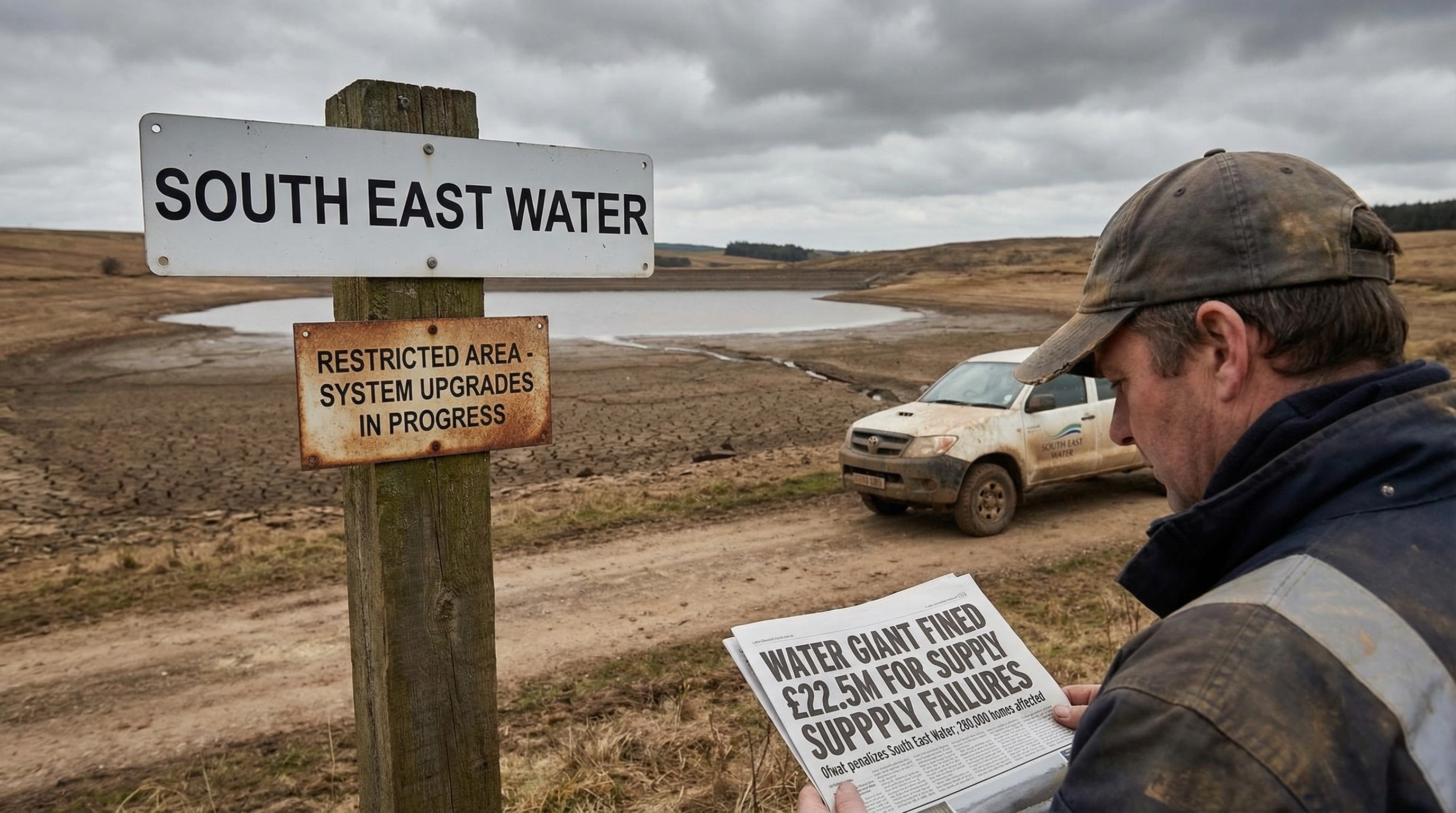
In a significant regulatory decision, South East Water has been fined £22.5 million by Ofwat, the water regulator for England and Wales. This penalty comes in response to repeated water supply failures in the regions of Kent and Sussex, affecting over 280,000 customers between 2020 and 2023. The fine underscores the regulator's commitment to holding utilities accountable for service disruptions and inefficiencies.
Root Causes of the Water Shortages
While extreme weather conditions were identified as the primary cause of the water shortages, Ofwat's investigation revealed that these issues were exacerbated by South East Water's failure to maintain an efficient water supply system. The regulator pointed out that inadequate infrastructure and maintenance practices contributed significantly to the scale of the disruptions experienced by customers.
Impact on Consumers and Communities
The water supply failures had a profound impact on the affected communities, disrupting daily life and raising concerns about the reliability of essential services. Access to clean water is a fundamental necessity, and the prolonged shortages highlighted vulnerabilities in the existing supply infrastructure. The fine imposed by Ofwat serves as a reminder of the critical importance of maintaining robust and resilient utility systems to prevent future disruptions.
Broader Implications for the Water Industry
This case sets a precedent for the water industry, signaling that regulatory bodies are prepared to take stringent actions against companies that fail to meet service obligations. It emphasizes the need for continuous investment in infrastructure and proactive maintenance to ensure service reliability. Other utilities may face increased scrutiny and pressure to demonstrate their commitment to efficiency and customer service.
Future Outlook and Industry Response
In response to the fine, South East Water is likely to review and enhance its operational practices to prevent similar occurrences in the future. The company may need to invest in upgrading its infrastructure and implementing more rigorous maintenance protocols. Meanwhile, the water industry as a whole is expected to focus more on resilience planning and risk management to address challenges posed by climate change and extreme weather events.