Background of the Keystone XL Project
The Keystone XL pipeline project, once a symbol of North America's energy ambitions, has faced a tumultuous history. Originally proposed in 2008 by TransCanada (now TC Energy), the project aimed to transport crude oil from Alberta, Canada, to refineries in the United States. However, it encountered numerous regulatory and environmental hurdles, leading to its eventual cancellation in 2021 by the Biden administration. The decision was a significant victory for environmentalists who argued that the pipeline would exacerbate climate change and pose risks to local ecosystems.
South Bow Corp.'s Expansion Plans
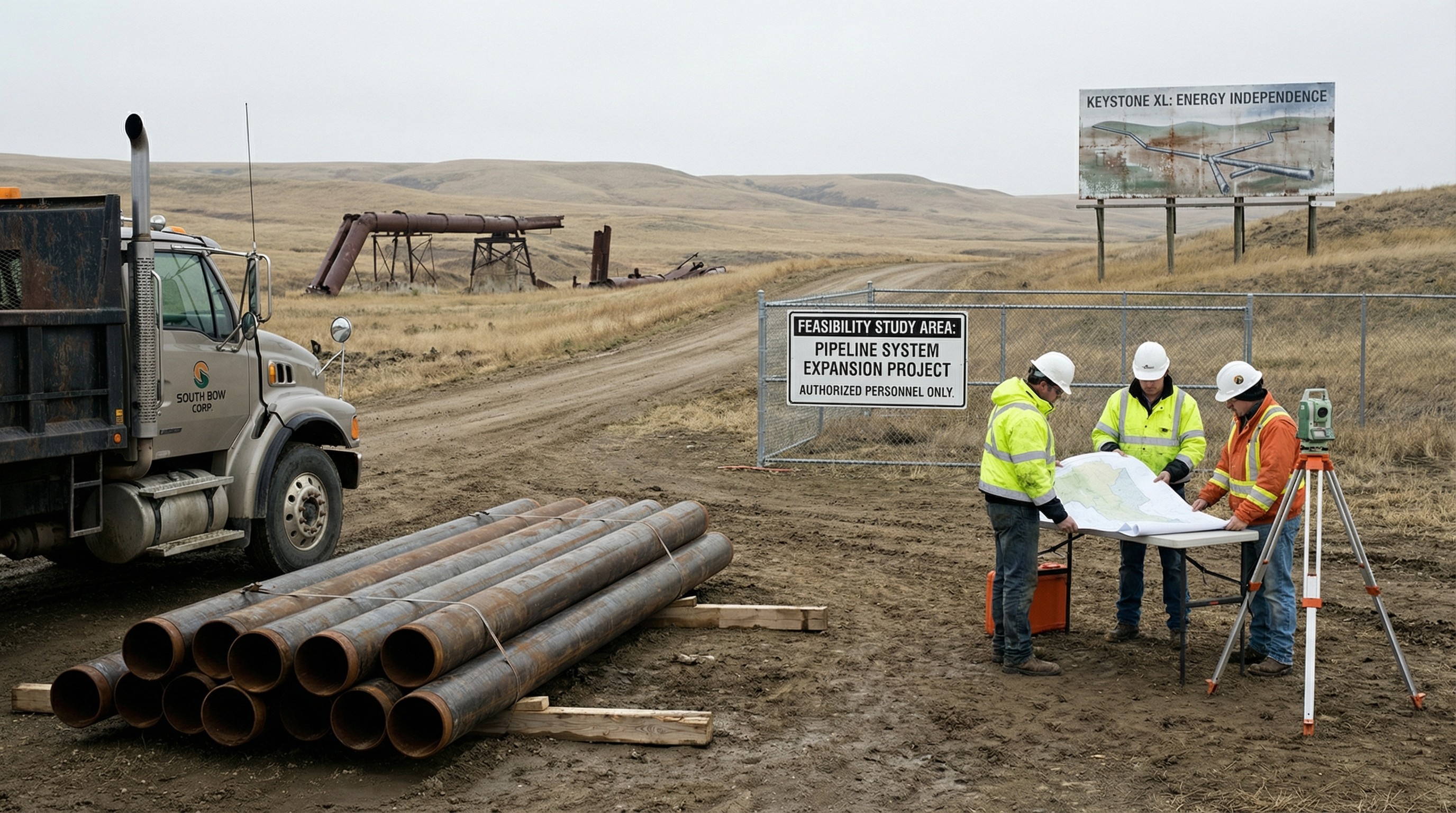
In a surprising development, South Bow Corp. is reportedly considering an expansion of its existing pipeline infrastructure, which might include elements reminiscent of the Keystone XL project. This potential move signals a renewed interest in bolstering North American oil transportation capabilities amidst fluctuating energy demands and geopolitical tensions affecting global oil markets. While details remain sparse, the company is believed to be evaluating the feasibility and potential routes for this expansion.
Environmental and Economic Implications
The prospect of reviving aspects of the Keystone XL project is likely to reignite debates over environmental and economic impacts. Proponents argue that expanding pipeline infrastructure could enhance energy security, create jobs, and reduce reliance on foreign oil. Conversely, environmental groups are expected to voice concerns over potential ecological damage and the contribution to fossil fuel dependency at a time when many nations are striving to reduce carbon emissions in line with international climate agreements.
Regulatory and Political Challenges
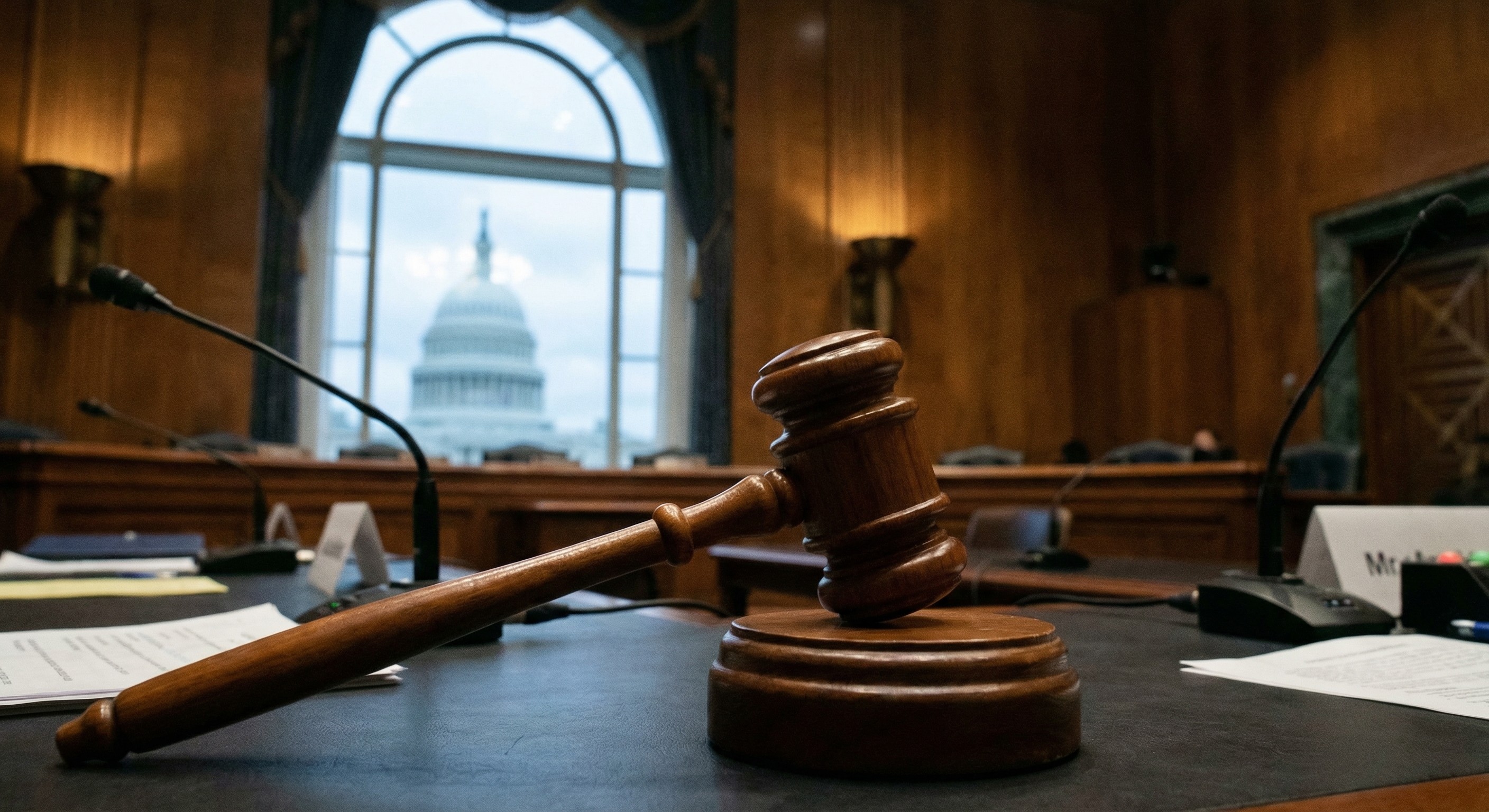
Any attempt to revive the Keystone XL project or similar initiatives will face significant regulatory scrutiny. The original project was subject to intense political debate, involving multiple U.S. administrations and Canadian stakeholders. The Biden administration's decision to cancel the project was partly based on climate policy commitments, and any new proposal would likely need to navigate a complex landscape of federal, state, and international regulations. Additionally, public opinion and advocacy group pressure will play crucial roles in shaping the project's future.
Outlook and Industry Perspectives
The potential revival of Keystone XL elements by South Bow Corp. reflects broader trends in the energy sector, where companies are balancing traditional fossil fuel interests with emerging renewable energy commitments. As the world transitions towards cleaner energy sources, the oil and gas industry faces the challenge of adapting to changing market dynamics while addressing environmental concerns. Industry analysts will be closely watching South Bow Corp.'s next moves, as they could set precedents for future infrastructure projects in North America.