Critical Shortage of Oil Tankers in the Persian Gulf
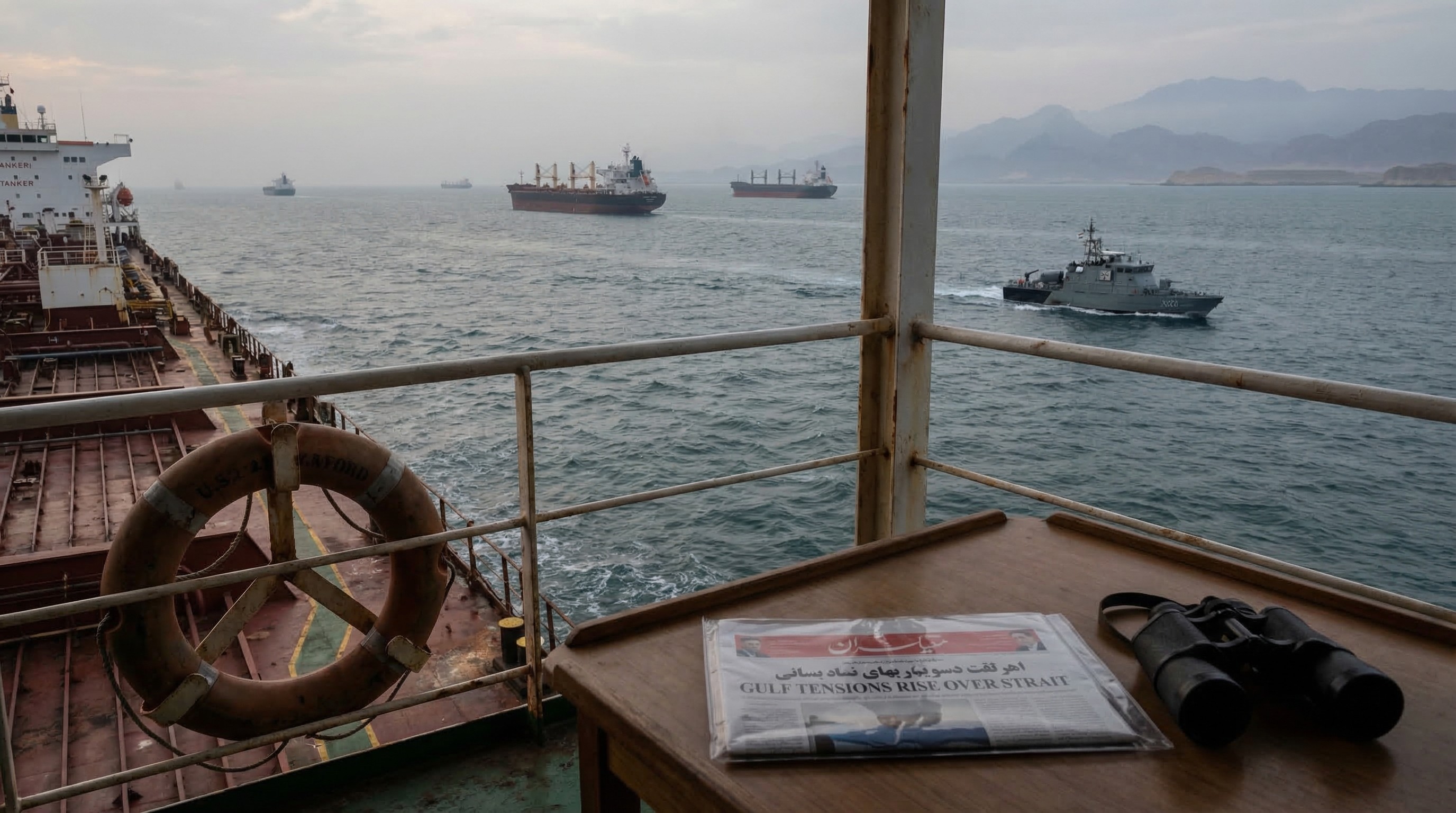
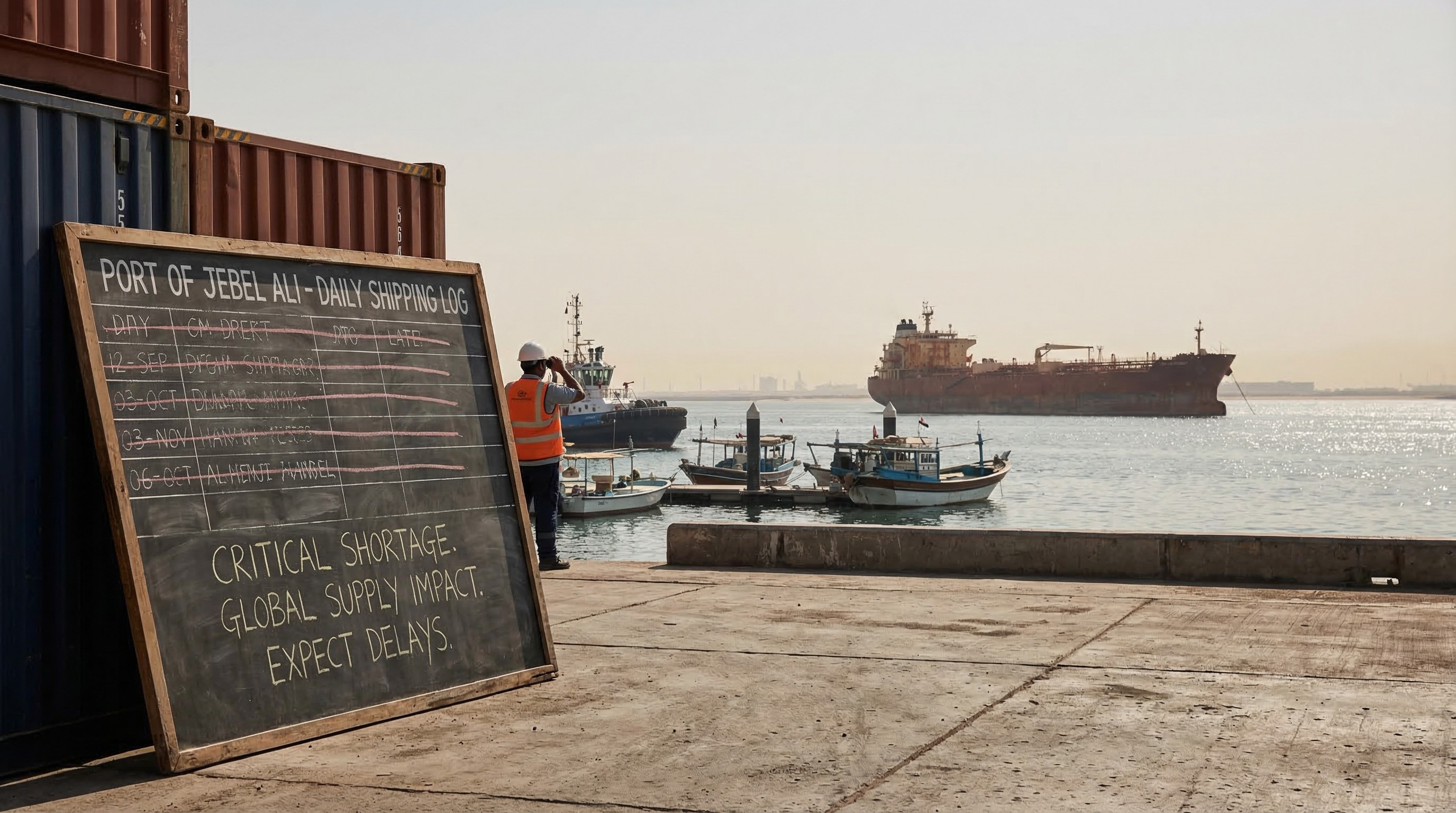
The Persian Gulf, a pivotal region for global oil exports, is experiencing a significant reduction in available very large crude carriers (VLCCs). Currently, only nine empty VLCCs are visible in the area, a stark indicator of a looming logistical challenge for major oil producers in the Middle East. This scarcity of tankers could impede the transportation of oil, potentially leading to a bottleneck in supply chains.
Implications for Global Oil Supply
The dwindling number of available oil tankers is more than just a logistical concern; it poses a significant threat to the global oil supply. As these tankers are quickly filled, onshore storage facilities risk reaching capacity, forcing producers to consider slowing down or halting production. Such a scenario could exacerbate global oil supply issues, affecting prices and market stability.
Market Reactions and Economic Impact
The potential for reduced oil output in the Middle East could have far-reaching economic consequences. Oil prices, sensitive to supply changes, may experience volatility, impacting industries and economies worldwide. Countries heavily reliant on oil imports might face increased costs, while oil-exporting nations could see shifts in revenue streams. This situation underscores the interconnected nature of global energy markets.
Strategic Responses and Future Outlook
In response to the tanker shortage, oil producers and shipping companies may need to explore strategic solutions. This could include optimizing existing shipping routes, investing in additional tanker capacity, or enhancing storage infrastructure. The situation also highlights the importance of diversifying energy sources and improving supply chain resilience to mitigate similar disruptions in the future.
Conclusion
The current shortage of oil tankers in the Persian Gulf serves as a critical reminder of the fragility of global oil supply chains. As the world continues to navigate the complexities of energy production and distribution, stakeholders must remain vigilant and proactive in addressing potential disruptions. The unfolding scenario in the Persian Gulf may prompt a reevaluation of strategies to ensure a stable and sustainable energy future.